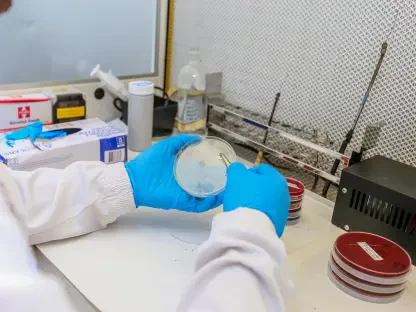

The Walter Reed Army Institute of Research developed the protein-detection technology that now enables the i-STAT Alinity to function at the tactical edge of combat. This milestone in medical engineering addresses a long-standing vulnerability in military trauma care where the invisible nature of

Explainable AI is becoming a critical requirement as clinicians demand transparency to understand the specific logic behind algorithmic treatment recommendations. This fundamental shift marks the transition of artificial intelligence from a novel experimental technology to a primary pillar of the

Health experts are raising alarms as the rise of questionnaire-only medical models allows patients to bypass physical assessments and traditional clinician oversight. The meteoric popularity of GLP-1 receptor agonists, such as semaglutide and tirzepatide, has created a massive demand that

The launch of the FLEXLAB-X system in Cairo represents a significant shift toward high-capacity diagnostic infrastructure capable of supporting the growing medical needs of the regional population. As clinical demands continue to surge across the Middle East, the pressure on diagnostic laboratories

Standalone AI tools like Claude and Gemini are now performing on equal footing with interpersonal networks when it comes to initial symptom checking. As the National Health Service continues to face unprecedented demand, millions of UK residents are bypassing traditional wait times by consulting

The human vascular system resembles a sprawling, intricate map that requires the highest level of navigational precision to manage life-threatening conditions effectively. The angiography equipment sector is expected to maintain a steady long-term compound annual growth rate of 8.0% through the