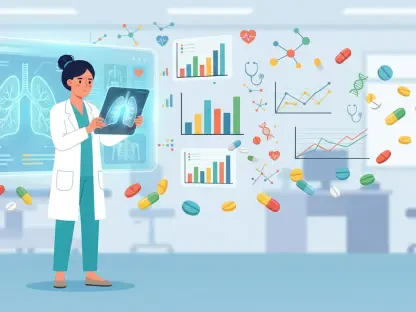

Large-scale consortia involving AstraZeneca and Isomorphic Labs are demonstrating that AI is no longer an emerging technology but a core R&D component. This shift represents a fundamental change in how biological targets are identified and validated, moving away from the high-risk, trial-and-error
Specialists note that remote sessions can hide subtle physical indicators of distress that would be immediately apparent during a face-to-face office visit. The legal proceedings following the tragic events involving Lindsay Clancy have brought these technological gaps into sharp focus, raising

The intersection of high-end horology and cutting-edge sensor technology has redefined the expectations for modern wearables, shifting them from simple notification hubs to essential health and productivity companions. Standalone eSIM cellular connectivity enables users to conduct calls, navigate

With only 23% of the world’s 1.4 billion hypertensive adults having their condition under control, the demand for advanced circulatory visualization has never been more critical. The landscape of cardiovascular medicine is currently undergoing a profound transformation, fueled by a synergy of

The traditional neurologist’s office is increasingly being supplemented by sophisticated algorithms that analyze how we interact with everyday technology to provide a more comprehensive view of patient health. The development of high-quality, structured resources like RobustPDx is a foundational

Healthcare organizations are increasingly adopting AI-powered tools to manage the end-to-end lifecycle of a referral from ingestion to final encounter. The manual processing of patient referrals has long been a notorious bottleneck within the American medical system, often resulting in delayed care