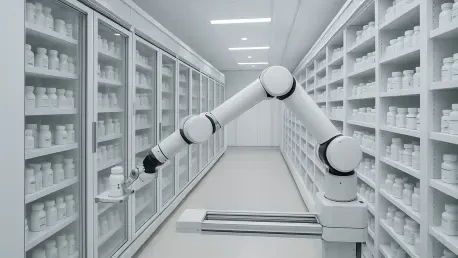
Transitioning from reactive to proactive inventory management through medication intelligence allows facilities to track exact stock levels and approaching expiration dates. This paradigm shift represents a critical juncture for healthcare systems striving to reconcile the rising costs of care with

The department's pivot from a 'restart' phase to a 'momentum' phase is intended to reassure stakeholders that previous technical and organizational hurdles have been overcome. Across the medical landscape of Indiana, the Department of Veterans Affairs has achieved a significant milestone by

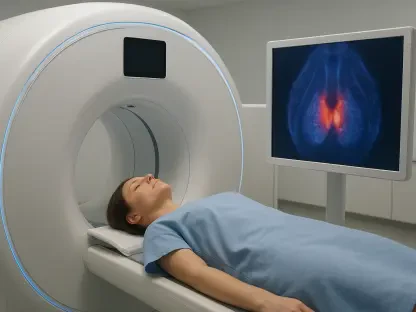
The focus on molecular imaging is facilitating a more personalized approach to medicine by visualizing specific disease pathways in individual patients. This technological shift is driving a profound transformation across the global healthcare landscape as diagnostic precision becomes the primary

Investment analysts point to a 36 percent decline in clinical management deals nationwide as a direct consequence of the legal complexities introduced by state-level healthcare protections. Oregon has emerged as the epicenter of this national shift, implementing rigorous oversight that

The KSU Office of Research and Commercialization facilitated the transition of academic AI research into a functional tool for public safety operations. This move marked a significant milestone in how local government agencies address the complex intersection of law enforcement and mental health

The fragility of traditional medical AI often results in significant performance drops when algorithms encounter data from different scanners or varying patient demographics in real-world settings. This persistent challenge has led researchers and healthcare providers to look beyond narrow,