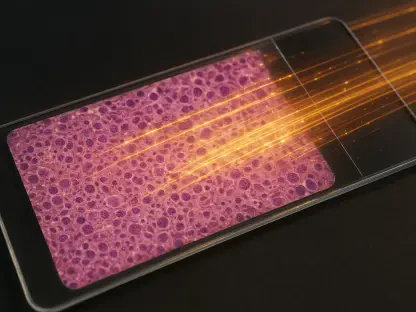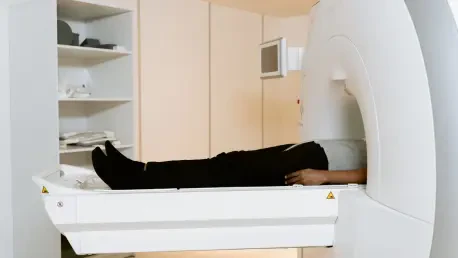

The focus on molecular imaging is facilitating a more personalized approach to medicine by visualizing specific disease pathways in individual patients. This technological shift is driving a profound transformation across the global healthcare landscape as diagnostic precision becomes the primary objective for medical institutions worldwide. Currently, the market for nuclear imaging devices and equipment is experiencing a steady climb, with a valuation reaching approximately $4.13 billion in 2026. Experts tracking these developments note a compound annual growth rate of 3.3 percent, a pace that suggests a disciplined expansion rather than a volatile surge. By the time the industry reaches 2030, the valuation is expected to settle around $4.71 billion. This growth is not merely a result of increased equipment sales but represents a deeper systemic change where traditional diagnostic methods are being replaced by high-tech, integrated solutions that offer a clearer picture of human health.
Clinical Utility and the Role of Functional Diagnostics
Defining the Mechanics of Molecular Radiotracers
Nuclear imaging operates as a specialized branch of medical science that utilizes small quantities of radioactive substances, or radiotracers, to evaluate organ and tissue function in real-time. Unlike conventional imaging modalities such as X-rays or standard ultrasounds, which primarily document anatomical structures and physical deformities, nuclear diagnostics provide a window into the biological activity occurring at a cellular level. This capability allows clinicians to observe how an organ is processing chemicals, such as glucose or oxygen, providing critical insights into its metabolic health. By introducing these tracers into the body, medical teams can identify signs of disease long before physical changes become apparent on a structural scan. This functional approach is essential for modern medicine, as it provides a dynamic view of health that static images simply cannot match, ensuring that doctors can intervene at the earliest possible biological sign of trouble.
Visualizing Cellular Activity for Early Detection
The precision offered by functional diagnostics is particularly vital in identifying metabolic abnormalities that precede the formation of visible lesions or tumors. In many cases, cellular dysfunction occurs weeks or even months before a mass is large enough to be detected by traditional radiological means. By utilizing positron emission tomography and other nuclear techniques, specialists can pinpoint these early indicators, allowing for a much more proactive approach to patient care. This shift toward functional assessment has transformed how clinicians approach complex cases, as it provides a baseline for understanding the unique physiological makeup of every individual. As diagnostic technologies continue to advance, the ability to monitor these processes with minimal invasiveness is becoming a standard expectation within high-performing healthcare systems. This deep visibility into the body’s chemistry is the foundation upon which personalized treatment plans are now being built.
Market Drivers and the Impact of Technological Innovation
Comprehensive Applications Across Specialized Medical Fields
While the technology is heavily utilized in oncology for the detection and staging of various cancers, its clinical utility is equally significant across several other medical disciplines. In cardiology, nuclear imaging is an indispensable tool for assessing myocardial perfusion, which helps doctors determine the efficiency of blood flow to the heart muscle. This information is crucial for diagnosing coronary artery disease and evaluating the extent of damage after a heart attack, often guiding the decision-making process for surgical interventions or long-term medication management. Furthermore, the technology plays a critical role in urology and vascular medicine, where it is used to identify subtle functional deficits that might not be visible through other diagnostic procedures. The versatility of nuclear imaging equipment allows it to serve as a multi-departmental asset, providing high-precision data that supports a wide range of patient needs from pediatrics to geriatrics.
Managing the Growing Global Burden of Chronic Illness
The increasing prevalence of chronic illnesses, such as cancer and neurological disorders, serves as a primary catalyst for the sustained growth of the nuclear imaging market. As the global population continues to age, the incidence of these complex health challenges is rising, prompting healthcare providers to invest more heavily in advanced diagnostic capabilities. The World Health Organization has highlighted a significant expected increase in cancer cases over the coming decades, a trend that is driving the expansion of nuclear medicine departments in both public and private hospitals. To meet this demand, there is a concerted effort to broaden the availability of diverse radiopharmaceuticals, which are necessary for targeting a wider array of specific conditions. This expansion of the pharmaceutical pipeline is enabling medical centers to offer more nuanced diagnostic services, ensuring that they can address the evolving needs of their local communities effectively.
Regional Outlook and Future Industry Directions
Technological Breakthroughs in Hybrid Imaging and Artificial Intelligence
Technological innovation is currently the primary engine of change within the industry, particularly with the widespread adoption of hybrid imaging systems. Systems such as PET/CT and SPECT/CT combine the functional data of nuclear medicine with the high-resolution anatomical detail of computed tomography. This fusion of data provides a more complete clinical picture than either technology could offer on its own, allowing for exact localization of metabolic activity within the body’s physical structures. These hybrid units have become the standard of care in many advanced medical centers because they streamline the diagnostic workflow and reduce the need for patients to undergo multiple separate appointments. By providing comprehensive data in a single scan session, these machines improve the efficiency of the entire radiology department. The ongoing refinement of these systems continues to push the boundaries of what is possible in non-invasive diagnostic medicine today.
Strategic Advancements and Targeted Clinical Outcomes
The industry successfully navigated a period of rapid transformation by integrating hybrid imaging systems and artificial intelligence into standard clinical workflows. These systems provided a comprehensive view of both anatomy and function in a single session, which significantly improved the speed and accuracy of many diagnoses. Decision-makers who prioritized the acquisition of these hybrid units found that they could offer more definitive results, reducing the need for follow-up testing and lowering overall costs for the facility. This approach also improved the patient experience by minimizing the time spent in diagnostic suites and providing clearer answers more quickly. Stakeholders who embraced the evolution of nuclear imaging recognized that the true value of the technology lay in its ability to support highly personalized treatment plans. By visualizing specific molecular pathways, medical teams were able to tailor interventions to the exact biological profile of each individual patient.