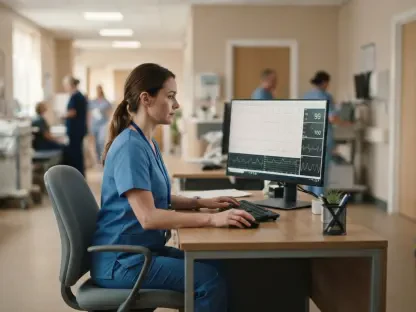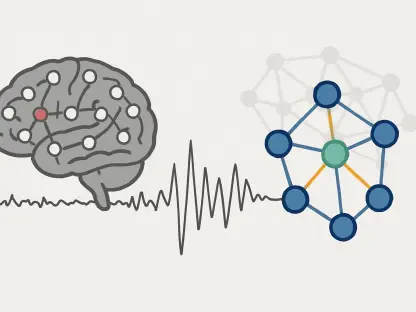

A patient resting in a quiet hospital bed in rural Kansas might not realize that a small, discreet sensor attached to their chest is communicating critical physiological data to a team of highly specialized clinicians located hundreds of miles away in Houston. This shift from intermittent manual checks to a continuous surveillance model represents a fundamental change in how the healthcare industry addresses the persistent safety gaps found in underserved geographical regions. By moving beyond the limitations of traditional bedside monitoring, organizations are now leveraging high-frequency data to identify subtle clinical deteriorations before they escalate into life-threatening emergencies. The transition to a centralized, proactive monitoring architecture is proving that distance is no longer a barrier to receiving high-level expertise. This systemic evolution is driven by the realization that while technology provides the data, the true transformation lies in human judgment.
Framework of Remote Clinical Surveillance
Implementation of Continuous Wearable Sensors
The foundation of this modern remote patient monitoring framework rests on the deployment of FDA-cleared wearable devices, such as the BioButton, which captures an exhaustive range of physiological metrics including heart rate, respiratory rate, and skin temperature. Unlike the historical standard of care where nursing staff manually recorded vital signs only four to six times over a twenty-four-hour period, these advanced sensors generate approximately 1,440 readings per day. This exponential increase in data points allows for the creation of a much more granular clinical picture, effectively filling the information gaps that occur between traditional nursing rounds. By providing a continuous stream of data to a centralized dashboard, the system can detect subtle trends—such as a slow, steady climb in heart rate—that would likely be missed by a bedside clinician focused on multiple tasks. This technological bedrock enables a level of vigilance that was previously impossible.
Leveraging Specialized Human Expertise
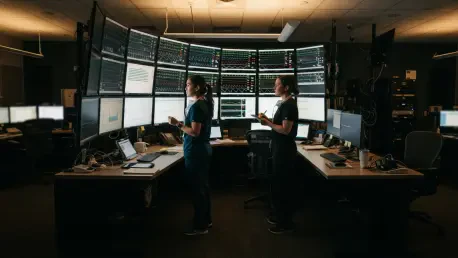
Data collection is only as effective as the clinical expertise used to interpret it, which is why institutions have staffed virtual monitoring centers with nurses boasting an average of seventeen years of experience in critical care environments. These specialized practitioners do not simply react to automated alarms; they synthesize incoming physiological data with the patient’s complete clinical history, current medications, and recent laboratory results to provide a comprehensive assessment. By dedicating a separate team to 24/7 oversight, the system ensures that the rural bedside staff is not overwhelmed by alarm fatigue or data saturation, allowing them to focus on direct patient interaction. This collaborative model creates a safety net where the remote expert can call the bedside team the moment a deviation occurs, providing not just an alert but a seasoned recommendation. This synergy between high-tech sensors and expertise ensures the expansion maintains high standards.
Safety Improvements and Operational Efficiency
Evidence-Based Outcomes in Patient Care
The shift toward proactive surveillance-plus-action models is supported by clinical evidence demonstrating that continuous monitoring significantly improves patient safety metrics across diverse hospital environments. Studies indicate that when these wearable technologies are paired with a structured Clinical Emergency Response Team, there is a measurable decrease in the severity of illness at the time of transfer to the intensive care unit. Furthermore, the data suggests a tangible reduction in hospital mortality rates and a shortened average length of stay, as interventions occur earlier in the disease progression phase. By identifying respiratory distress or sepsis markers hours before they become symptomatic, clinicians can initiate stabilization protocols that prevent the need for more invasive emergency procedures. These outcomes prove that the value of remote monitoring lies in the ability of the system to facilitate early medical intervention and modernize care.
Strategic Pathways for Rural Healthcare Integration
Health systems successfully transformed their safety protocols by moving beyond simple data acquisition to a comprehensive strategy that prioritized early intervention over reactive management. Organizations discovered that the most effective implementations were those that established clear communication protocols, allowing remote experts to seamlessly transition from surveillance to active clinical support during critical moments. Moving forward, providers adopted these surveillance-plus-action frameworks as a standard requirement for maintaining safety in underserved regions. This transition necessitated a focus on long-term workforce development to ensure a steady supply of experienced nurses capable of navigating complex virtual environments. Ultimately, the successful deployment of these programs provided a blueprint for how digital infrastructure could bridge the gap in healthcare equity. By investing in a clinical bundle, rural facilities ensured data translated into life-saving actions.