
The integration of Health Level Seven Fast Healthcare Interoperability Resources standards ensures the platform remains compatible with modern medical data exchange protocols. This technological foundation serves as the backbone for a new clinical decision support system designed specifically to mitigate the pervasive issue of pressure injuries in Iranian intensive care units. Developed by researchers at Urmia University of Medical Sciences, the initiative addresses a localized health crisis where nearly one in five patients in critical care suffers from these preventable wounds. The transition from legacy paper-based documentation to a sophisticated digital framework marks a pivotal shift in the region’s healthcare strategy, moving away from reactive treatments toward proactive, data-driven prevention. By implementing a methodology rooted in the United Kingdom Medical Research Council’s framework for complex interventions, the project successfully bridged the gap between theoretical medical standards and the practical, high-pressure realities of bedside nursing. This system not only streamlines the risk assessment process but also creates a centralized repository of patient information that was previously fragmented across physical charts, thereby enhancing the overall safety and quality of care within tertiary medical facilities.
Addressing Inefficiency: The Shift from Paper Records
Traditional manual assessments using the Braden Scale often suffer from significant inconsistency and incompleteness in busy clinical settings. Initial audits within the Iranian healthcare landscape revealed a startling 42 percent non-compliance rate in paper-based records, illustrating how easily vital patient data can be overlooked during a demanding shift. This inefficiency underscores an urgent need for automated systems that prompt regular assessments and maintain a permanent, legible record of care. Manual tracking often relies on the memory and diligence of overworked staff, which naturally leads to gaps in monitoring that can allow a minor skin irritation to escalate into a severe stage-four injury. By digitizing these records, the new system eliminates the ambiguity of handwritten notes and ensures that every assessment is time-stamped and verified, creating a higher level of accountability across the nursing team.
The new digital platform effectively bridges the gap between international medical guidelines and local nursing workflows by digitizing the decision-making process. By incorporating the 2022 international standards for pressure injury prevention, the decision support tool ensures that Iranian nurses are applying global best practices at the bedside without needing to manually consult external reference materials. This approach significantly reduces the cognitive load on staff, allowing them to focus more on direct patient interaction and therapeutic procedures rather than administrative paperwork. Furthermore, the system provides a structured environment where evidence-based protocols become the default mode of operation, ensuring that even junior staff members can deliver high-quality care that meets international benchmarks. This standardization is essential for maintaining consistency across different shifts and hospital departments, ultimately leading to more predictable patient outcomes.
Establishing Rigorous Data Standards and Logic
The first phase of development focused on creating a comprehensive Minimum Data Set through extensive literature reviews and semi-structured interviews with critical care specialists. Researchers validated essential data points with over 100 experts to ensure the system captured only the most relevant clinical information while discarding redundant variables that could clutter the user interface. This process resulted in a streamlined digital environment categorized into four distinct sections: demographics, risk assessment parameters, skin evaluation details, and necessary administrative reporting. Psychometric validation was a key component of this stage, utilizing the Content Validity Index and Cronbach’s alpha to ensure that the data collection instruments were both reliable and accurate for the ICU context. By narrowing the focus to high-impact data, the researchers ensured that the platform remains efficient and responsive to the fast-paced nature of emergency medicine.
In the second phase of the project, these clinical requirements were transformed into technical logic statements that drive the software’s internal reasoning engine. For instance, when a patient’s risk score drops below a specific threshold, the system automatically triggers mandatory preventive alerts that appear on the nurse’s dashboard. These “if-then” rules were derived from verbatim transcripts of interviews with experienced physicians, ensuring the software’s logic mirrors expert clinical reasoning. This automated stratification allows the system to identify high-risk patients instantly, suggesting specific interventions such as specialized mattresses or nutritional supplements. By embedding expert knowledge directly into the software, the platform acts as a secondary layer of protection, catching potential risks that might be missed during a manual evaluation. This proactive alert system is designed to be persistent but not intrusive, striking a balance that prevents alarm fatigue while ensuring critical tasks are completed.
Engineering Technical Architecture and Security Measures
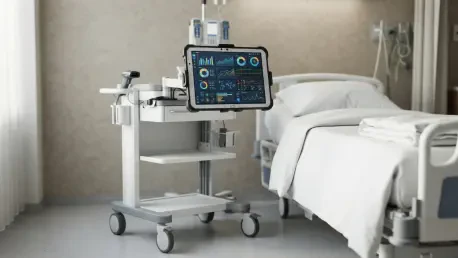
The system utilizes a lightweight, web-based architecture designed to run effectively on existing hospital hardware without requiring expensive infrastructure upgrades. Built with the PHP Laravel framework and a responsive front-end using Bootstrap and JavaScript, the platform is accessible via tablets, mobile devices, or bedside computers. This flexibility is crucial for mobile nursing teams who need to input data at the point of care rather than returning to a central nursing station. A specialized task scheduler monitors care timestamps in the background, issuing real-time reminders for critical interventions such as two-hour repositioning cycles or daily skin inspections. This technical setup ensures that the system is not just a passive database but an active participant in the daily workflow of the intensive care unit, providing the logistical support necessary to maintain rigorous prevention schedules.
Security and data integrity were prioritized to protect sensitive patient information within the digital environment and to comply with modern privacy standards. The platform is hosted on secure university servers using AES-256 encryption and requires multi-factor authentication for all user roles, from bedside nurses to hospital administrators. Furthermore, the adherence to international data exchange standards facilitates better interoperability with other medical systems, allowing for the eventual integration of this tool into broader hospital networks. By focusing on a secure and scalable architecture, the developers ensured that the system could handle the high volume of data generated in a tertiary care hospital while protecting patient confidentiality. This commitment to security builds trust among clinicians and patients alike, providing a reliable foundation for the digital transformation of Iranian critical care services.
Measuring Usability and Functional Success
After a three-month pilot program, the system underwent a formal evaluation by ICU nurses using the System Usability Scale, which is a globally recognized metric for software effectiveness. The platform achieved an impressive mean score of 80.75, placing it in the “Grade A” or “excellent” category for usability. This high level of acceptance suggests that the nurses found the tool intuitive and helpful rather than a burden to their already demanding established routines. Qualitative feedback highlighted the ease of navigation and the clarity of the automated alerts as standout features that improved the daily work experience. Such high usability marks are vital for the long-term adoption of any medical technology, as tools that are difficult to use are often bypassed or ignored in high-stress environments. The positive response from the nursing staff indicates that the user-centered design approach effectively addressed the real-world needs of frontline clinicians.
Beyond simple risk calculation, the clinical decision support system offers six core functionalities that support comprehensive wound management and quality improvement. These include automated risk stratification, personalized patient education modules, and predictive analytics designed to forecast potential injury sites before they become visible. The system also provides detailed treatment guidance for existing wounds based on their severity and location, ensuring that wound care is consistent with the latest evidence-based protocols. Additionally, the platform generates comprehensive administrative reports that allow hospital leadership to track quality metrics, such as healing rates and the frequency of injuries by anatomical site. This data-driven approach allows administrators to move beyond anecdotal evidence and make informed decisions about resource allocation and staff training, ultimately fostering a culture of continuous quality improvement.
Charting Future Paths: Beyond the Initial Pilot
While the initial results are promising, the study serves as a foundation for further research into long-term clinical outcomes across diverse medical settings. The current pilot focused primarily on usability and technical feasibility, which are the necessary first steps before measuring the system’s direct impact on reducing injury incidence and improving patient healing times. Expanding the sample size and testing the tool across multiple hospital sites will be necessary to validate its effectiveness on a national scale and to ensure the logic holds up in different clinical environments. There is also a significant opportunity to explore how this web-based model can be adapted for other high-risk populations, such as those in neonatal intensive care units or long-term geriatric care facilities. This ongoing evolution represents a major advancement for nursing informatics, providing a scalable blueprint for enhancing patient safety through thoughtful digital design.
To reach its full potential, the decision support system must eventually be integrated into comprehensive Electronic Health Records to avoid creating isolated data silos that can hinder clinical coordination. Future considerations include the development of mobile applications that could provide even faster access to alerts and the integration of artificial intelligence to further refine predictive models for skin breakdown. The project team recommended that hospital administrations prioritize training programs to help staff transition smoothly to digital workflows, as the learning curve remains a factor in technology adoption. By focusing on these actionable next steps, the healthcare community can build upon the success of the Iranian model to create a more resilient and responsive care environment. The researchers successfully demonstrated that custom-built, user-friendly technology can effectively bridge the gap between complex international clinical guidelines and the daily operational realities of modern medicine.