

The convergence of clinical expertise and sophisticated machine learning has reached a critical juncture where the success of medical technology is defined by systemic reliability rather than individual algorithmic performance. As the healthcare sector moves through 2026, the traditional model of

The healthcare landscape is currently undergoing a massive transformation as providers move away from reactive office-based treatments toward proactive, home-centered management strategies that leverage advanced technology. At the forefront of this evolution is the strategic partnership between

The integration of automated decision-making systems into the intricate fabric of the Medicaid program necessitates a rigorous framework that ensures algorithmic precision does not eclipse essential clinical judgment. As the Centers for Medicare & Medicaid Services navigates the complexities of
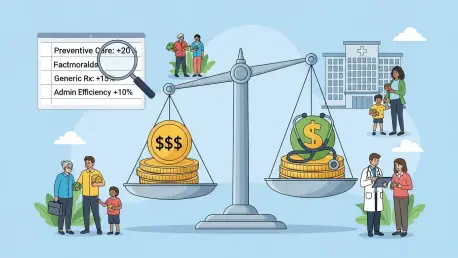
The current trajectory of American medical expenditures suggests that without a radical intervention in how costs are presented to the public, the system remains on a path toward financial insolvency for both employers and individual plan members. This challenge is rooted in a historical lack of

The persistent reliance on legacy fax machines in a high-tech era has long been a bottleneck for healthcare efficiency, leading to fragmented patient data and delayed treatments across the province. On May 9, 2026, Quebec took a decisive step to rectify this by launching its new Digital Health

The long-standing dominance of Next-Generation Sequencing (NGS) as the gold standard for identifying genetic mutations in cancer is facing its first major structural challenge from the field of computer vision. For decades, oncologists have relied on the extraction and chemical analysis of genetic