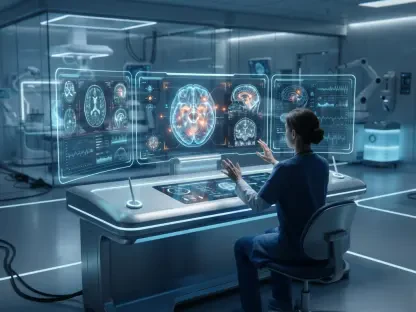

Most individuals find themselves overwhelmed by the sheer volume of health metrics generated by wearables and scattered clinical portals that never seem to communicate with one another effectively. To address this fragmentation, OpenAI has introduced a sophisticated feature called "Health in
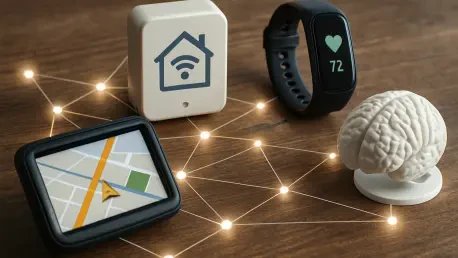
Modern life is increasingly defined by an invisible web of sensors that have migrated from the vast stretches of city infrastructure into the intimate corners of the private home. While the early days of the Internet of Things were dominated by the logistical management of public assets and the

The rapid proliferation of generative artificial intelligence has fundamentally altered the landscape of mental healthcare by introducing digital companions that offer emotional support at a fraction of the cost of traditional therapy. While millions now turn to platforms like Woebot or custom

The Consumer Product Safety Commission has traditionally focused on physical defects in toys and appliances, but recent shifts in regulatory policy suggest a move toward acquiring granular healthcare data to better predict injury trends across the national population. This evolution in oversight

Every second counts when a toddler swallows a high-powered magnet or a lithium-ion battery in a popular e-bike begins to overheat while charging in a crowded apartment complex. For decades, the United States Consumer Product Safety Commission (CPSC) relied on a fragmented network of hospital
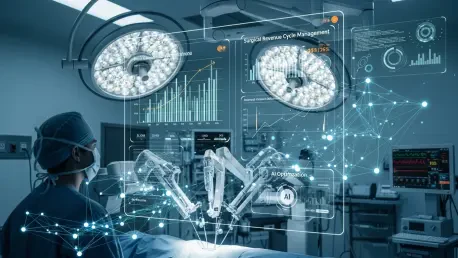
Surgical departments often struggle with the mounting pressure of administrative overhead that threatens the financial viability of even the most sophisticated healthcare institutions today. This systemic friction creates a bottleneck where clinicians spend more time on paperwork than patient care,