
Hospitals frequently encounter a paradox where life-saving technology exists in surplus in one region while remaining critically unavailable in another due to fragmented distribution networks and bureaucratic bottlenecks. This systemic failure often leads to delayed procedures and compromised patient safety, forcing healthcare administrators to seek more agile partners who can navigate the complexities of modern medical logistics. As the industry moves from 2026 toward 2028, the emphasis has shifted away from mere procurement toward a holistic approach that integrates asset recovery, rigorous refurbishing standards, and real-time inventory tracking. By identifying and reclaiming underutilized assets, organizations can effectively close the gap between clinical demand and budgetary constraints. This evolution requires a sophisticated understanding of both the financial landscape and the technical requirements of high-end diagnostic and therapeutic devices. Consequently, bridging this gap is no longer just about buying more gear but about optimizing the entire lifecycle of every single piece of medical equipment within a healthcare system’s ecosystem.
Optimization Of Healthcare Asset Management
Navigating Inventory Volatility: Precision In Procurement
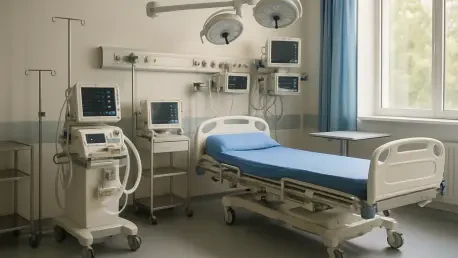
Traditional methods of managing hospital inventory often rely on outdated manual spreadsheets or siloed software systems that fail to communicate across different departments, leading to significant waste. When a facility over-orders supplies due to a lack of visibility, it ties up critical capital that could have been allocated to patient care or staffing needs. Conversely, under-ordering creates emergency situations where providers must pay exorbitant shipping fees or accept lower-quality substitutes to meet immediate clinical requirements. Modern supply chain partners now utilize advanced predictive analytics to forecast demand patterns based on historical usage and emerging health trends through 2027. This proactive stance allows for a more streamlined flow of goods, ensuring that ventilators and imaging components are available exactly when needed. By creating a transparent digital twin of the supply chain, administrators monitor stock levels across multiple locations, facilitating the internal transfer of resources before any critical shortages occur.
Life Cycle Enhancement: Strategies For Equipment Longevity
Extending the operational life of sophisticated medical machinery represents a vital strategy for healthcare systems looking to maximize their return on investment while maintaining high standards of excellence. Rather than adhering to a rigid schedule of replacement based solely on the age of a device, contemporary maintenance programs focus on condition-based monitoring and high-quality refurbishing. Professional refurbishment involves a comprehensive overhaul where components are tested against original equipment manufacturer specifications and replaced as necessary to ensure peak performance. This process allows hospitals to acquire high-end technology at a fraction of the cost of new units, effectively democratizing access to advanced diagnostics for smaller community clinics. Furthermore, specialized technical teams can often upgrade software and internal hardware, bringing older machines up to current 2026 safety standards. By treating medical devices as long-term assets, organizations reduce their environmental footprint and alleviate pressure on global manufacturing lines.
Financial Sustainability In Medical Equipment Acquisition
Reducing Capital Expenditure: New Models For Funding
Navigating the financial complexities of modern healthcare requires a shift away from traditional outright purchasing toward more flexible acquisition models that preserve liquidity for other operational needs. Subscription-based services and equipment-as-a-service agreements have become increasingly popular as they allow hospitals to pay for the utility of a device rather than the physical asset itself. This model shifts the burden of maintenance and eventual disposal onto the provider, ensuring that the clinical staff always has access to the most recent iterations of technology without the risk of asset obsolescence. From 2026 through the end of 2028, these arrangements are expected to account for a larger portion of hospital budgets as administrators seek to stabilize cash flows and avoid large capital outlays. Additionally, asset recovery programs that specialize in reclaiming lost items provide a unique stream of revenue. By identifying gaps in the billing cycle, facilities uncover hidden capital previously written off as a loss.
Strengthening Patient Outcomes: Access Through Efficiency
Direct correlations between equipment availability and patient outcomes have pushed logistics and supply chain management to the forefront of clinical strategy in the current healthcare landscape. When an emergency department is equipped with a sufficient number of functional portable ultrasound machines and cardiac monitors, the time to diagnosis is significantly reduced, which can be the difference between life and death. Efficiency in the supply chain ensures that these tools are not just present, but are also fully calibrated and ready for immediate use in high-pressure environments. By bridging the gap between the warehouse and the bedside, logistics providers enable doctors and nurses to focus entirely on patient care rather than troubleshooting equipment issues. As technology continues to evolve toward 2028, the ability to rapidly deploy medical kits to underserved areas will become a hallmark of a successful system. This outreach is made possible through a network of distribution hubs that prioritize speed and reliability.
Healthcare administrators successfully navigated the challenges of the mid-2020s by prioritizing asset visibility and financial recovery over traditional procurement methods. They moved away from a siloed approach to equipment management and instead adopted integrated logistical frameworks that connected every department in real-time. To maintain this momentum, stakeholders should have invested in specialized training for biomedical technicians to handle advanced on-site refurbishments. Decision-makers also benefited from reevaluating their vendor relationships, favoring those who offered flexible equipment-as-a-service models that protected against technological obsolescence. Implementing these strategies required a fundamental shift in institutional culture, where data integrity became the responsibility of every staff member from the loading dock to the operating room. By focusing on the full lifecycle of medical devices, organizations ensured that their clinicians remained equipped with the most reliable tools available while simultaneously reducing waste.