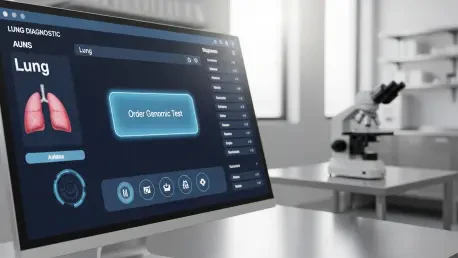
The rapid evolution of precision medicine has fundamentally transformed the standard of care for lung cancer, moving the focus of molecular profiling from metastatic cases to early-stage diagnoses. While the discovery of genetic mutations was once reserved for patients with limited options, it is

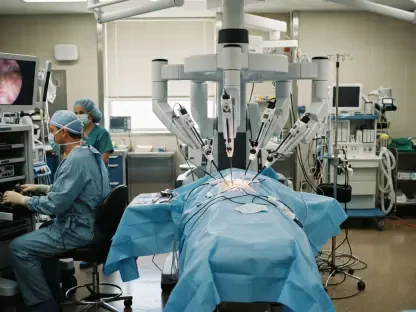
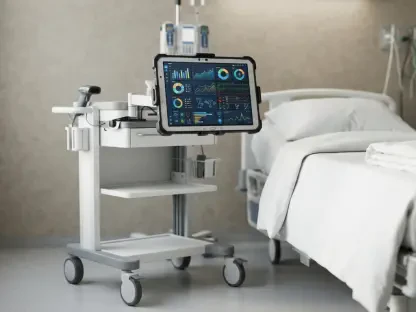
The modern healthcare environment demands a sophisticated equilibrium between the rapid deployment of groundbreaking technologies and the uncompromising mandate for patient safety and clinical efficacy. As surgical robotics and connected therapeutic systems become more integrated into routine care,
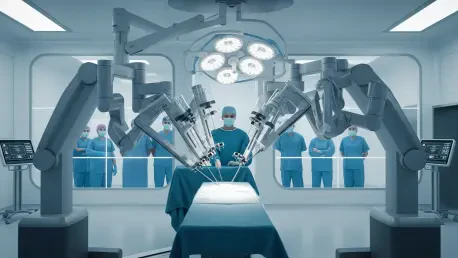
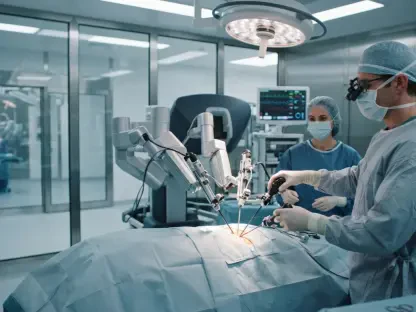
The geographic vastness of the Texas Panhandle has traditionally posed a significant barrier to accessing specialized surgical care, forcing residents to endure long journeys to urban centers for routine procedures. This dynamic shifted dramatically this past July when the Texas Tech University

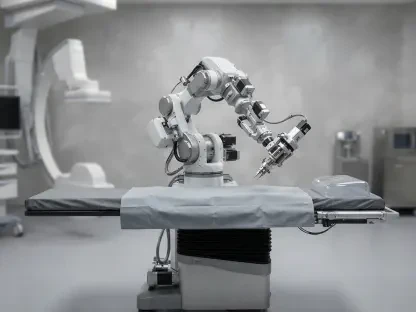
The intricate dance of a robotic arm navigating the microscopic corridors of a human artery requires more than just pre-programmed instructions; it demands a profound, intuitive understanding of the physical world. While traditional artificial intelligence has largely flourished within the

The global healthcare landscape is currently witnessing a paradigm shift in how chronic obstructive pulmonary disease and asthma are managed, moving away from a one-size-fits-all approach toward the precision of personalized medicine. For decades, patients suffering from chronic cough, wheezing,

Current medical landscapes have shifted significantly as the integration of nuclear science into oncology provides a level of precision previously deemed impossible for metastatic cases. By utilizing radio-ligand therapies, physicians are now able to deliver lethal doses of radiation directly to