
James Maitland stands at the forefront of medical technology integration, specializing in how robotics and automated systems can modernize the delivery of care. As an expert in IoT applications, he is uniquely positioned to dissect the brewing storm in Washington over the WISeR pilot program, which introduces AI-led prior authorization into the Medicare ecosystem. In this conversation, we explore the high-stakes battle between fiscal hawks and patient advocates following the Senate’s recent decision to maintain a program that many fear could rewrite the rules of senior healthcare. We delve into the friction between technological oversight and clinical autonomy, examining how six states have become the testing ground for a controversial shift in how America pays for its aging population’s medical needs.
How do you see the WISeR pilot program fundamentally changing the experience for Medicare beneficiaries in those six states compared to the rest of the country?
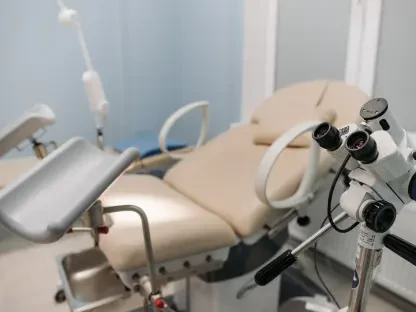
Traditionally, Medicare has been a sanctuary from the pre-approval hurdles common in private insurance, but WISeR shifts that paradigm significantly for the seniors involved. For those living in the six affected states, the “ironclad guarantee” of care is being tested as AI-driven systems now sit between a doctor’s recommendation and the actual treatment. We are already seeing reports of essential services, like skin substitutes or epidural steroid injections for chronic pain, being flagged or halted before they can even begin. This creates a localized “wait-and-see” environment that simply doesn’t exist for beneficiaries in the other 44 states, leading to a fragmented healthcare experience where your zip code dictates your speed of access. The sensory reality for these patients is one of increased anxiety, as they wait for a “shadowy third party” to greenlight procedures that were once considered routine.
Senators have expressed concern over “shadowy, AI-driven third parties” managing these authorizations. From a technical standpoint, what are the risks of using these automated systems for specialized procedures?
The core issue is the “black box” nature of these algorithms when they are proprietary tools owned by private contractors rather than transparent public protocols. When an AI determines whether an epidural injection is “wasteful” or “appropriate,” it is often doing so based on vast datasets that may not capture the nuances of a specific elderly patient’s medical history or physical frailty. From my perspective in robotics and medical tech, the danger lies in losing the human oversight that is vital for complex pain management and tissue regeneration. If the system is optimized primarily to reduce spending volume rather than improve patient value, we risk a scenario where the algorithm’s bias toward cost-cutting overrides a clinician’s expert judgment. This lack of transparency makes it nearly impossible for a doctor to argue against a denial, as they are essentially fighting a ghost in the machine.
The Senate vote was incredibly tight at 46-50, with Republicans arguing that this pilot is necessary to move away from a volume-based reimbursement model. How do you reconcile the need for fiscal responsibility with the administrative burden being placed on clinicians?
It is a delicate balancing act, as the current system often incentivizes high-volume services that don’t always translate to better outcomes for the patient. Senator Crapo and his colleagues are looking at this as a way to cull “wasteful and inappropriate” spending, which is a legitimate concern given the fiscal pressure on the Medicare Trust Fund. However, the administrative friction is palpable; doctors are now spending more time navigating digital portals and answering AI-generated queries than they are performing the actual surgeries or treatments. If we want to move toward high-value care, the technology should facilitate easier communication rather than acting as a digital gatekeeper that adds hours of paperwork to a clinician’s week. A system that saves money by making the work of a doctor miserable is not a sustainable model for the future of American medicine.
While the Senate resolution failed, there is still a push to block funds in the 2027 HHS spending bill. What are the long-term implications for the CMS Innovation Center if this pilot is eventually defunded?
If the House panel’s unanimous move to block 2027 funding succeeds, it would send a massive shockwave through the CMS Innovation Center’s mandate to experiment with new payment models. These mandatory experiments are designed to gather data on how to reform Medicare, and cutting the pilot mid-stream prevents us from ever knowing if the AI actually reduced fraud or simply delayed necessary care. It would signify a retreat from federal efforts to use private-sector technology for public-sector savings, potentially chilling future innovation in the space. Without that hard data, we are essentially flying blind, forced to choose between the old, expensive status quo and unproven, potentially disruptive automated interventions. It leaves the healthcare system in a state of purgatory, stuck between a need for reform and a fear of the tools required to achieve it.
What is your forecast for AI-driven prior authorization in Medicare?
I anticipate a period of intense regulatory refinement where the “shadowy” nature of these algorithms is forcibly brought into the light through new transparency laws. While the recent 46-50 vote kept the pilot alive, the sheer volume of pushback from lawmakers and patient advocates means that CMS will likely be forced to implement strict oversight on the private contractors managing these AI systems. We will eventually move toward a “hybrid” model where AI handles the initial screening for obvious fraud, but human clinicians have a streamlined, rapid-response path to override automated denials for complex cases. The battle over the WISeR model is just the opening salvo in a much larger war over who ultimately controls the treatment plan—the doctor at the bedside or the algorithm in the cloud. We are moving toward a future where “clinical validation” will be just as much about the software’s accuracy as it is about the doctor’s expertise.