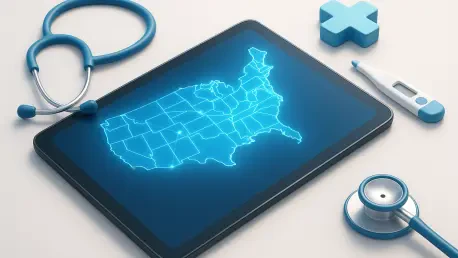

Transitioning from 41 to 44 states in late 2025 indicates a rapid adoption rate for telehealth services that cater to both major metropolitan markets and underserved rural areas. This strategic movement has allowed the organization to bridge the gap between traditional brick-and-mortar clinics and the modern demand for healthcare on demand. By securing the necessary licenses and establishing a robust network of board-certified professionals, the platform successfully dismantled the geographical barriers that previously limited patient choices. The year 2026 marks a turning point where the focus shifted from mere availability to the depth and quality of specialized care provided across diverse demographics. Rather than just offering general consultations, the expansion prioritized high-need areas such as mental health and chronic disease management. This evolution reflects a broader industry trend where digital health platforms are no longer just emergency alternatives but are becoming the primary point of contact for many households seeking reliable medical advice.
Regulatory Navigation: The Framework for Geographic Expansion
Success in the highly fragmented American healthcare market required a meticulous approach to state-level compliance and medical board regulations. Navigating the complex web of individual state mandates for telemedicine was the primary hurdle that necessitated a dedicated legal task force. This team worked to ensure that every provider within the network maintained valid credentials in each of the 44 states now served. Furthermore, the implementation of a centralized credentialing system streamlined the onboarding process for new clinicians, allowing for a steady increase in provider capacity throughout 2026. By aligning internal protocols with the unique legislative requirements of diverse regions, the organization avoided the common pitfalls of rapid scaling. This foundational work ensured that patients received care that was not only convenient but also fully compliant with local medical standards. Such rigorous attention to detail established a level of trust with state regulators that facilitated smoother entry into new markets.
The expansion strategy also involved significant investment in localized provider networks to ensure that virtual care did not feel impersonal or detached from local realities. While the technology is centralized, the medical expertise remains rooted in the specific health challenges and cultural contexts of each state. By recruiting practitioners who are familiar with local health trends and regional medical facilities, the platform provided a more nuanced level of care than generic national services. This localized focus helped in managing referrals to physical specialists when necessary, creating a hybrid model that connects the digital and physical worlds. In 2026, the goal was to further integrate local laboratory services into the virtual workflow to speed up diagnostics. This commitment to regional relevance has been a key differentiator, making the service a preferred choice for patients who want the convenience of a screen but the expertise of someone who understands their specific environment. The platform continues to thrive by blending global tech with local care.
Strategic Evolution: Refining the Continuum of Care
At the core of this multi-state expansion was a sophisticated technology stack designed to handle the massive data throughput of millions of simultaneous users. The architecture utilized advanced encryption protocols to maintain patient privacy while ensuring that medical records were accessible across state lines without delay. In early 2026, the integration of artificial intelligence for initial patient triaging significantly reduced wait times, allowing patients to be matched with the correct specialist in under five minutes. This AI-driven approach did not replace the physician but rather optimized the physician’s time by summarizing patient histories and highlighting potential areas of concern before the video call even begins. These technological enhancements transformed the virtual visit from a simple conversation into a data-rich clinical encounter that rivaled the efficacy of in-person examinations. The data collected from these 44 states showed a marked improvement in managing patient outcomes across all age groups through precise digital monitoring tools.
The expansion into 44 states demonstrated how a focused strategy could overcome the historical fragmentation of the American medical landscape. Stakeholders observed that the successful integration of virtual care relied heavily on the synchronization of legal compliance and clinical excellence. Moving forward, medical organizations should prioritize the adoption of interoperable data standards to ensure that virtual care remains a core component of the broader system. Success in the future was shown to depend on the ability to leverage real-time analytics to predict public health trends and allocate resources before crises emerge. Between 2026 and 2028, the focus shifted toward enhancing virtual diagnostic capabilities through the use of remote monitoring tools. Professionals in the field were encouraged to invest in continuing education for their staff to handle the nuances of digital-first relationships. This roadmap served as a template for achieving national health equity through scalable digital solutions, ensuring that every patient receives high-quality care.