
To address chronic staffing shortages, Nova Scotia has doubled the class sizes for medical radiation technologist and sonography programs at Dalhousie University, with a double cohort expected to enter the workforce by 2026. This aggressive expansion of the educational pipeline marks a pivotal

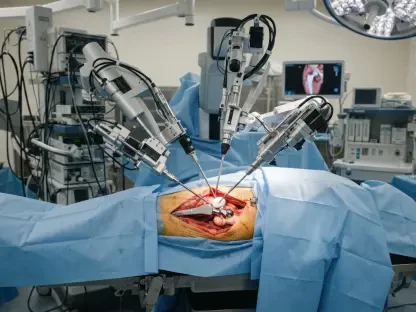
Surgeons utilize robotic arms to achieve a wider range of motion than the human wrist can provide, allowing for delicate maneuvers in tight anatomical spaces. This leap in technology has fundamentally altered the landscape of cancer treatment, moving away from the large incisions of the past. As of

Transforming the Patient Financial Experience Through Agentic AI The traditional headache of deciphering complex medical invoices is finally meeting its match as autonomous agents begin to overhaul the once-static landscape of healthcare revenue cycles. For most patients, the anxiety associated

The rapid evolution of precision medicine has fundamentally transformed the standard of care for lung cancer, moving the focus of molecular profiling from metastatic cases to early-stage diagnoses. While the discovery of genetic mutations was once reserved for patients with limited options, it is

The geographic vastness of the Texas Panhandle has traditionally posed a significant barrier to accessing specialized surgical care, forcing residents to endure long journeys to urban centers for routine procedures. This dynamic shifted dramatically this past July when the Texas Tech University

Hospitals frequently encounter a paradox where life-saving technology exists in surplus in one region while remaining critically unavailable in another due to fragmented distribution networks and bureaucratic bottlenecks. This systemic failure often leads to delayed procedures and compromised