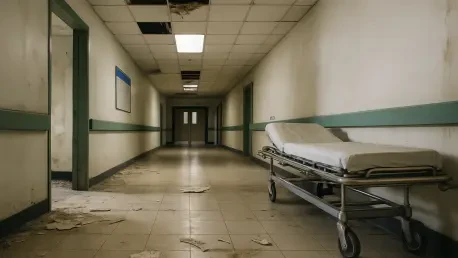

The quiet corridors of Mad River Community Hospital in Arcata, California, were once synonymous with a deeply rooted culture of compassionate local care, yet they now echo with the growing anxieties of a workforce under siege. For decades, this institution served as a cornerstone of the rural healthcare landscape, but recent internal shifts have cast a long shadow over its reputation for safety and reliability. Reports emerging from within the facility suggest that a once-supportive, family-oriented environment has rapidly deteriorated into an institution struggling with severe financial pressures and a radical transformation in management philosophy. As these tensions mount, the fundamental question arises as to whether the hospital can maintain its commitment to patient well-being while navigating such turbulent structural changes. Residents of the Humboldt County area are increasingly worried that the high standards of medical attention they have come to expect are being compromised by a new leadership team focused primarily on the bottom line.
Staffing Vulnerabilities: The Impact of Lean Clinical Models
Central to the current controversy is a newly implemented staffing model that has drastically reduced the number of registered nurses available during critical shifts. These lean staffing levels have created a scenario where nurses are frequently unable to take mandated rest breaks without leaving their specific units dangerously short-handed. To compensate for these gaps, supervisors are being pulled away from their primary oversight and administrative duties to provide direct patient care in high-stakes areas like the emergency room and intensive care units. While this provides immediate relief for bedside tasks, it leaves the broader facility without the necessary clinical supervision and leadership required to manage complex hospital operations. This ripple effect means that high-level monitoring and crisis management capabilities are being stretched thin, potentially delaying responses to emergencies in other parts of the building. The lack of a consistent supervisory presence represents a significant deviation from established safety protocols.
Complementing the nursing cuts is the decision to eliminate several key departments that were previously essential for maintaining rigorous standards of care. Most notably, the closure of the entire Staff Development Department has left a void in the ongoing training and certification programs required to keep medical personnel up to date on the latest safety regulations. In addition to training cuts, the removal of the dedicated risk manager and the medical staff coordinator has further weakened the facility’s internal checks and balances. These roles are traditionally responsible for identifying potential hazards and ensuring that the hospital remains in compliance with state and federal healthcare mandates. Without these specialized positions, the responsibility for regulatory oversight falls onto already overburdened managers who may lack the specific expertise or time to conduct thorough safety audits. This systemic dismantling of the hospital’s quality assurance infrastructure raises serious alarms about the long-term ability of the institution to protect its patients from preventable harm.
Administrative Strategy: Outsourcing and Regulatory Allegations
The decision to outsource the hospital’s entire billing department to an out-of-state contractor has further alienated the local workforce and sparked allegations of unethical labor practices. Employees in this department were reportedly presented with a difficult ultimatum: transition to the new external contractor or be categorized as having resigned voluntarily from their positions. This move is widely viewed by staff and local labor advocates as a calculated attempt to circumvent the payment of unemployment benefits and sever ties with long-term employees without providing adequate severance packages. The loss of these local administrative roles has not only impacted the families of the workers involved but has also raised concerns about the handling of sensitive patient data by a remote third-party entity. This shift away from local operations signifies a broader trend within the hospital’s current strategy to prioritize immediate overhead reduction over the maintenance of a loyal and experienced local workforce. Such decisions continue to fuel the narrative that the hospital’s leadership is prioritizing financial metrics over community stability.
Accompanying these employment disputes are serious allegations regarding potential violations of state and federal labor and healthcare laws. Reports have emerged from the nursing staff indicating that they are being compensated at rates far below the legal minimum for on-call shifts, which has led to formal complaints being filed with state regulators. Furthermore, there are growing concerns that the hospital administration has been overstepping its bounds by interfering with the independent authority of the medical staff board, a body designed to provide physician-led oversight of clinical practices. This alleged interference threatens the autonomy of medical professionals and could potentially allow administrative priorities to influence clinical decision-making. These legal and ethical questions have prompted calls for comprehensive investigations into the hospital’s operational practices to determine if regulatory boundaries have been breached. As these investigations unfold, the cloud of legal uncertainty continues to hang over the institution, further damaging its reputation and making it increasingly difficult to recruit new medical talent to the area.
Navigating the Future: Balancing Fiscal Solvency and Clinical Excellence
In defense of these radical changes, hospital executives maintain that the current course of action is the only viable path to ensuring the facility’s continued existence in a challenging economic climate. They point to the increasingly hostile environment facing rural healthcare centers across the United States, where rising costs and stagnant reimbursement rates have forced many small hospitals to shutter their doors entirely. From the perspective of the administration, the aggressive cuts to staffing and the elimination of departments are painful but necessary measures to prevent a total financial collapse. They argue that without these fiscal interventions, the community of Arcata would lose its only local access to emergency services and inpatient care. However, the loss of veteran physicians and dedicated staff has ignited a significant backlash from the public, who feel the hospital is losing its identity as a community-based provider. This erosion of trust is particularly damaging in a rural setting where the relationship between a patient and their doctor is often built over many years.
To address these deep-seated issues, the board of directors initiated a series of transparent town hall meetings that facilitated a direct dialogue between the administration and the concerned public. These sessions provided a platform for former staff members to share their clinical insights, which led to the reinstatement of several critical safety training modules and a revision of the internal pay structure. The leadership also began exploring partnership opportunities with larger regional health networks to share administrative costs without further reducing frontline clinical personnel. By focusing on integrated care models and investing back into the staff development programs, the hospital worked toward stabilizing its workforce and reducing the high turnover rates that had previously plagued the facility. These steps demonstrated a renewed commitment to balancing fiscal responsibility with the moral obligation to provide safe medical services. Ultimately, the lessons learned during this period of turmoil served as a blueprint for other rural hospitals, emphasizing that institutional survival must never come at the expense of patient safety or provider well-being.