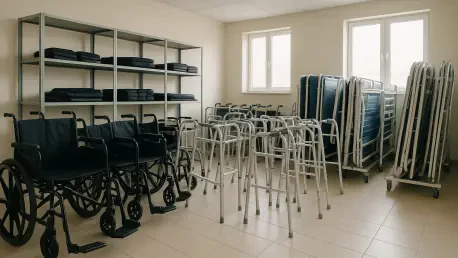

The Hope Center in Pratt exemplifies how small-town organizations can bridge the gap for residents who cannot travel to major urban centers for medical supplies. Across Kansas, a vital but often overlooked network of non-profits, faith-based groups, and community centers is filling a massive gap in the current medical system. These organizations, known as medical loan closets, act as a crucial safety net for residents who find themselves overwhelmed by the high costs of durable medical equipment. As the state’s population ages and healthcare expenses continue to climb starting in 2026, these closets have evolved from small-scale community projects into indispensable pillars of the public health infrastructure, ensuring that no Kansan is left without the tools they need for daily life. The emergence of these organizations is a direct response to a healthcare system where insurance coverage often falls short of actual patient needs, especially when specialized items are required for long-term recovery.
Addressing the Rising Financial Burden of Medical Necessity
The primary driver behind the success of loan closets is the staggering cost of medical supplies and the inadequacy of traditional insurance models to meet individual needs. For many, the price of staying healthy is in direct competition with the cost of basic living expenses like food and rent, creating an impossible choice for low-income households. Even those with decent insurance coverage frequently face out-of-pocket expenses for items that the system deems “supplemental” or beyond a certain usage limit. For example, families managing pediatric sensory issues may find themselves paying significant amounts for nutritional formula once insurance caps are reached. This financial pressure affects a wide demographic, ranging from parents caring for children with special needs to seniors on fixed incomes who cannot afford sudden, high-cost equipment like hospital beds or motorized chairs. The burden is particularly heavy for those with high-deductible plans who lack the cash flow to manage a crisis.
To combat these costs, loan closets operate on a model of donation and redistribution that maximizes the utility of expensive hardware. Most medical equipment has a functional lifespan of several years, yet it is often used by a single patient for only a few months during recovery or end-of-life care. Instead of letting these valuable items sit idle in garages or end up in landfills, loan closets collect, sanitize, and refurbish them for the next person in need. This “circular economy” allows equipment to be used by multiple people over its lifetime, drastically reducing waste and saving millions of dollars in unnecessary purchases across the state. By treating medical hardware as a shared community resource rather than a one-time purchase, loan closets provide a practical solution to the financial strain that often accompanies chronic illness. This approach ensures that mobility and dignity are not reserved only for those who can pay the retail price for specialized medical technology.
Transforming Small Operations Into Vital Community Libraries
What began as modest operations in residential garages has surged into a massive movement that mimics the functionality of a public utility. For example, the Wichita Medical Loan Closet has grown from facilitating just a few dozen loans a year to managing over 25,000 annual transactions in the current landscape. These organizations function much like a public library, allowing patients to borrow everything from knee scooters and walkers to specialized hospital equipment for as long as they are needed. This “library” model removes the barrier of permanent purchase, making it possible for individuals to access short-term rehabilitation tools without a significant financial investment or long-term commitment. The scalability of these programs shows that community-driven initiatives can effectively address systemic failures in the healthcare market. By providing a centralized location for pickup and drop-off, these closets streamline the process of acquiring gear that would otherwise require weeks of insurance approvals.
This localized effort is bolstered by formalized, statewide initiatives like the Kansas Equipment Exchange, which operates through strategic partnerships. By collaborating with state Medicaid programs, these larger entities have recovered tens of millions of dollars’ worth of equipment through efficient refurbishment cycles. This high-level coordination proves that recycling medical technology is not just a charitable act but a smart economic strategy for the state of Kansas. Beyond just saving money, these programs allow patients to “try before they buy,” ensuring that they are matched with the correct technology before making a permanent commitment to a specific piece of equipment. This prevents the common problem of patients acquiring expensive tools that are ultimately ill-suited for their physical needs or home environment. The integration of these services into the broader healthcare network represents a shift toward more sustainable, resource-conscious patient care models that prioritize accessibility over profit.
Overcoming Geographic Isolation and Supporting Aging in Place
The impact of these services is most visible in rural Kansas, where specialized medical retail stores are few and far between and transportation is limited. In these “resource deserts,” local loan closets serve as a literal lifeline for residents who lack the ability to reach major urban medical centers for their equipment needs. These centers cater to a diverse range of needs, helping everyone from children injured on the playground to centenarians who require mobility aids to remain safe in their homes. Without these local resources, many residents in small towns would be forced to go without the equipment necessary for their recovery, leading to longer hospital stays or increased risks of injury at home. The presence of a loan closet in a rural county can mean the difference between a patient returning to their familiar surroundings or being forced into an assisted living facility prematurely. This localized support system fosters community resilience by keeping neighbors connected and supported through shared resources.
Ultimately, medical loan closets empower Kansans to maintain their independence and dignity during some of the most challenging times of their lives. By providing affordable access to mobility tools, these organizations support the overwhelming majority of older adults who wish to “age in place” rather than move into long-term care facilities. Beyond the physical benefits, there is a deep social impact; the ability to move freely allows individuals with disabilities to participate in community events and civic life. For instance, providing mobile chairs at public festivals ensures that every citizen can engage in social activities regardless of their physical limitations. By ensuring that mobility and nutrition remain accessible to all, regardless of income or geography, Kansas loan closets are protecting the fundamental health and freedom of their communities. These organizations have proven that when a community treats medical equipment as a common good, the overall quality of life improves for the most vulnerable populations across the entire region.
Implementing Integrated Solutions for Sustainable Public Health
The analysis of the medical loan closet network revealed that community-based redistribution was the most effective method for reducing individual healthcare expenditures. Stakeholders discovered that integrating these closets into the formal discharge planning process at hospitals allowed patients to transition home more quickly and safely. This strategy minimized the time patients spent in high-cost clinical settings while waiting for insurance approvals for necessary home equipment. Furthermore, the findings indicated that the circular economy model provided an environmentally responsible alternative to the disposal of high-grade plastics and metals found in modern medical devices. By formalizing the cleaning and maintenance protocols, these organizations ensured that every piece of equipment met safety standards before being reissued. The success of these programs suggested that future public health initiatives should prioritize the expansion of equipment exchange networks to mitigate the rising costs associated with chronic disease management and the aging demographic.
The research also showed that the social benefits of these programs extended far beyond financial savings for families and the state. It was observed that providing mobility aids directly influenced the psychological well-being of users by reducing isolation and promoting active participation in daily life. Actionable steps for the future included the development of a statewide digital inventory system to track available equipment in real-time across different counties. This technological integration aimed to eliminate the “resource desert” effect by facilitating the transfer of surplus items from urban centers to rural areas in need. Additionally, healthcare advocates recommended that policy makers provide tax incentives for medical equipment manufacturers who participated in refurbishment programs. By fostering a culture of shared resources and collaborative care, the Kansas model demonstrated a viable path toward a more equitable and efficient healthcare infrastructure. These findings served as a blueprint for other states looking to address the intersection of rising costs and an aging population through community-led innovation.