
Healthcare providers are currently navigating a complex environment where patient care extends far beyond the traditional clinic walls. Chronic diseases like hypertension, diabetes, and heart failure continue to drain resources and reduce the quality of life for millions of Americans every day. The intersection of Chronic Care Management (CCM) and Remote Patient Monitoring (RPM) represents a fundamental shift from reactive treatment to proactive intervention. By combining real-time data with long-term care coordination, medical practices can identify health deteriorations before they escalate into emergency room visits. This synergy is not merely about new gadgets; it is about creating a continuous feedback loop that empowers both the physician and the patient. As reimbursement models shift toward value-based care, the integration of these two services provides a sustainable path for improving clinical outcomes while simultaneously reducing the financial burden on the broader healthcare system.
Bridging the Gap Between Visits
Synchronizing Real-Time Data and Care
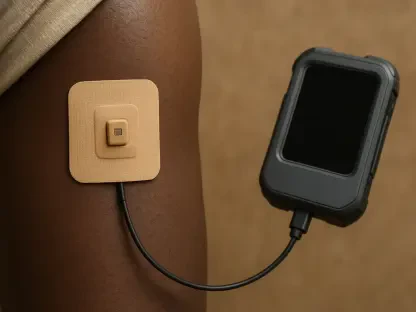
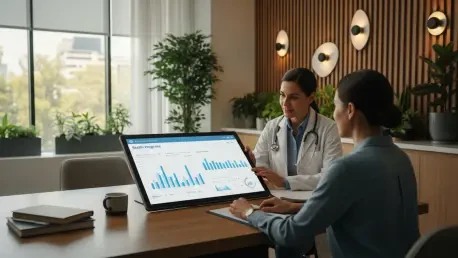
Remote monitoring devices such as cellular blood pressure cuffs and glucose monitors provide a constant stream of physiological data that was previously inaccessible between scheduled appointments. When this data flows directly into a Chronic Care Management framework, it transforms from a series of isolated numbers into a comprehensive narrative of the patient’s daily health. A care coordinator reviews these metrics alongside the established care plan to ensure that any deviations are addressed immediately. This approach prevents the white coat hypertension effect and offers a realistic view of how lifestyle choices affect health. By utilizing this persistent connection, clinical teams can offer personalized advice, such as adjusting dosage based on actual trends rather than retrospective reports. This continuous oversight ensures that the standard of care is elevated through precision and timely communication across the entire patient population.
Enhancing Patient Engagement and Agency
Active participation from the patient is the cornerstone of managing long-term conditions effectively, and the combination of CCM and RPM fosters this involvement. When patients see their health data reflected on a digital interface, they often feel a greater sense of agency over their condition. This visibility acts as a behavioral nudge, encouraging better adherence to medication and exercise regimens because the results of their efforts are immediately visible. Furthermore, the regular touchpoints inherent in CCM—such as monthly phone calls to discuss goals—provide the educational support necessary to maintain these positive habits. Patients are no longer left to navigate their illnesses in isolation; they have a dedicated team monitoring their progress. This structure significantly reduces the anxiety often associated with chronic disease, leading to better mental health outcomes and a higher likelihood of long-term success in reaching clinical targets.
Optimizing Clinical and Financial Performance
Improving Resource Allocation and Efficiency
Implementing an integrated model allows healthcare organizations to optimize their internal resources by delegating routine monitoring tasks to a specialized care team. This separation of duties ensures that physicians can focus their limited time on high-acuity cases, while the CCM team handles the daily management of chronic conditions. The automated nature of RPM data collection further streamlines this process, as manual data entry is eliminated and the risk of human error is reduced. Consequently, the practice can manage a larger volume of patients without sacrificing the quality of individual care. This scalability is essential in an era where the physician shortage continues to stress the infrastructure. By leveraging technology to act as a force multiplier, medical groups can maintain high standards of patient safety and clinical excellence even as demand grows. Efficiency is about ensuring the right level of care is provided at the right time.
Sustainable Models for Health Success
The shift toward integrated care models represented a significant milestone in the evolution of modern medicine, marking a departure from episodic interventions toward a holistic approach. Providers who embraced the synergy between monitoring and management successfully mitigated the risks associated with chronic disease progression. These organizations prioritized the implementation of interoperable systems and dedicated care teams, which allowed for a more agile response to patient needs. To maintain this momentum, leaders expanded these programs to include behavioral health integration and advanced genomic data to further refine personalized treatment plans. By focusing on the seamless flow of information, the medical community addressed the most pressing challenges of chronic care. These actions established a foundation for a resilient healthcare system that valued preventive action. Ultimately, the successful adoption of these strategies proved that digital precision was the key to unlocking superior clinical results.