
The landscape of personal health management is undergoing a fundamental transformation as digital ecosystems move away from isolated tracking toward comprehensive, intelligence-driven wellness platforms that integrate every aspect of biological data. This move represents a strategic pivot for Google, which is now rebranding its iconic Fitbit app into the more expansive Google Health application. This transition is not merely a branding exercise but a deep architectural overhaul designed to merge the legacy of physical activity tracking with sophisticated artificial intelligence and clinical data integration. By consolidating these disparate streams of information, the company aims to provide a singular, high-fidelity view of the human condition that encompasses both physical and mental well-being. This shift reflects a broader industry trend where hardware and software synergy becomes the foundation for proactive health management, allowing users to move beyond simple statistics toward actionable medical insights that were previously locked within professional healthcare silos.
Navigating the New Interface
A Simplified Dashboard: Organizing Daily Wellness
The most immediate change for the user base is the introduction of a refined, four-tab layout designed to streamline the navigation of complex biometric information into logical, digestible categories. The “Today” tab serves as the primary gateway, offering a high-level summary of daily activity and movement that allows for rapid status checks throughout the morning or evening. Complementing this, the “Fitness” and “Sleep” tabs provide specialized environments for deep-diving into long-term exercise history and the physiological nuances of rest quality. By separating these concerns, the interface avoids the visual clutter that often plagues multi-functional health applications, ensuring that a runner tracking mileage and a patient monitoring sleep apnea can both find their relevant data points without unnecessary friction. This structural clarity is essential for maintaining high user engagement, as it reduces the cognitive load required to interpret the vast amounts of data collected by modern wearable sensors.
Furthermore, the “Health” tab introduces a dedicated space for clinical metrics and vital signs, representing a significant departure from the more casual fitness focus of previous iterations. This area serves as a repository for heart rate variability, skin temperature trends, and blood oxygen levels, presenting them in a format that mirrors professional medical records rather than gamified fitness challenges. The interaction between these tabs creates a narrative flow; for instance, a poor night’s sleep recorded in the specialized sleep section can be immediately correlated with reduced cardiovascular performance in the fitness section. This interconnectedness allows users to visualize how different aspects of their lifestyle influence one another, moving the conversation from isolated daily goals to a more holistic understanding of systemic health. This new architecture ensures that the platform functions as a reliable medical companion that scales according to the complexity of the user’s needs.
Customization and Tailored Health Companion Features
To ensure the digital experience remains relevant to diverse individual requirements, the Google Health app offers extensive customization capabilities within the “Today” and “Health” dashboards. Users are no longer restricted to a one-size-fits-all view of their vitals; instead, they can prioritize specific metrics that align with their personal wellness objectives or chronic health conditions. For a competitive athlete, this might mean placing recovery scores and aerobic strain at the top of the interface, while someone managing hypertension might prioritize blood pressure logs and resting heart rate trends. This level of personalization transforms the software from a generic data aggregator into a tailored health companion that evolves alongside the user’s changing life stages. The ability to hide irrelevant modules ensures that the interface remains clean and focused, preventing the data fatigue that often leads to users abandoning their health tracking habits after the initial novelty wears off.
This adaptability extends to the way data is visualized, allowing for a more nuanced interpretation of personal progress over months or even years of consistent monitoring. By selecting which Key Performance Indicators are visible, users can create a focused feedback loop that reinforces positive behavior change without the distraction of peripheral statistics. For example, individuals focused on weight management can sync nutritional intake directly next to caloric expenditure, while those prioritizing mental health can highlight mindfulness minutes and stress management scores. This approach acknowledges that health is a deeply personal journey with no universal metric of success. By empowering the user to define their own dashboard, Google is fostering a sense of ownership and agency over digital health data, which is a critical factor in long-term adherence to wellness programs. The result is a highly flexible platform that can serve as both a casual step counter and a robust medical monitoring tool simultaneously.
Powering Health with AI and Connectivity
The Integration of Gemini: Connecting External Data Streams
A cornerstone of the modern Google Health ecosystem is its unprecedented ability to function as a centralized aggregator for a wide range of third-party fitness services and clinical data providers. Through the implementation of robust Health Connect protocols and dedicated APIs, the application seamlessly pulls in information from diverse platforms such as Peloton, MyFitnessPal, and Strava. This creates a unified environment where a user’s morning cycle on a third-party bike, their nutritional logging from a specialized app, and their wearable-recorded vitals are all analyzed in tandem. For users in the United States, this connectivity goes a step further by allowing the synchronization of medical provider accounts to view laboratory results, vaccination records, and medication lists directly within the app interface. This integration bridges the gap between consumer-level fitness tracking and professional clinical care, providing a more comprehensive health narrative than ever before.
The strategic importance of this data unification cannot be overstated, as it allows for the identification of longitudinal trends that would be invisible if the data remained fragmented across multiple services. When clinical markers like cholesterol levels or blood glucose readings are viewed alongside daily physical activity and dietary habits, the correlation between lifestyle choices and medical outcomes becomes starkly clear. This transparency enables users to have more informed conversations with their healthcare providers, backed by a continuous stream of objective data rather than relying on subjective memory during annual check-ups. The app essentially acts as a secure clearinghouse for all wellness-related information, ensuring that every data point—no matter its source—contributes to a broader understanding of the individual’s physiological state. This approach positions the platform as the essential hub for anyone serious about managing their long-term health through a data-driven lens.
Proactive Coaching: The Role of Generative Intelligence
The most innovative feature introduced in this rebranding effort is the Google Health Coach, a sophisticated assistant powered by the Gemini generative AI model. Unlike traditional health applications that act as passive repositories for raw numbers, this AI-driven coach actively interprets complex data sets to provide “why” insights and personalized, actionable advice. If a user experiences a sudden dip in their cardiovascular recovery scores, the coach does not merely report the change; it analyzes recent sleep patterns, activity intensity, and even environmental factors to suggest a cause and a corresponding solution. For instance, it might recommend an extra hour of rest or a lighter workout based on the detected strain. This shift toward proactive coaching transforms the application from a recording device into an active partner in the user’s daily life, offering guidance that feels both intuitive and scientifically grounded.
Furthermore, the Gemini-powered coach excels at simplifying the often-impenetrable language of professional medical reports and laboratory results for the average consumer. By summarizing dense clinical data into plain English, the AI helps users understand what their medical numbers actually mean for their daily routines and long-term wellness goals. In the fitness tab, the coach can assist in designing custom weekly exercise plans using natural language commands, adapting the schedule in real-time based on the user’s actual performance and recovery levels. This dynamic adjustment ensures that fitness goals remain challenging yet attainable, reducing the risk of burnout or injury. The integration of generative intelligence represents a new frontier in digital wellness, where the platform provides not just the data, but the wisdom and context necessary to make that data truly useful for meaningful lifestyle improvements.
Hardware Synergy and User Privacy
The Fitbit Air: Balancing Technology and Sensor Fidelity
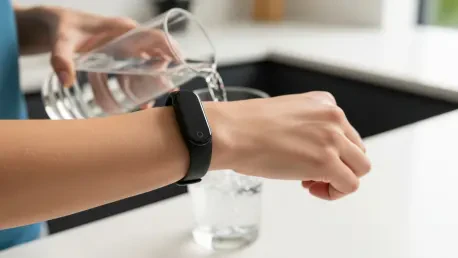
While the software has transitioned to the Google Health brand, the Fitbit name remains the definitive banner for Google’s wearable hardware, highlighted by the launch of the Fitbit Air. This new device is engineered to be the company’s thinnest and most unobtrusive tracker to date, specifically designed for 24/7 wear to ensure a continuous stream of high-fidelity biometric data. Its low-profile design addresses one of the primary complaints about modern wearables: the physical bulk that can interfere with sleep or formal attire. Despite its diminutive size, the Fitbit Air houses a sophisticated array of sensors capable of monitoring heart rate variability, skin temperature, and advanced movement patterns with clinical-grade precision. This hardware-software synergy is critical, as the accuracy of the AI-driven insights provided by the Google Health Coach is directly dependent on the quality of the data collected by the wearable device on the wrist.
When the Fitbit Air is paired with a Google Health Premium subscription, it unlocks the full potential of the digital ecosystem, providing the high-frequency sampling rates required for the most advanced AI interpretations. The device is intended to be nearly invisible during daily use, yet it serves as the essential pulse of the user’s digital twin within the app. This focus on unobtrusive hardware reflects a design philosophy that health tracking should be an integrated, background process rather than a conscious daily burden. By making the device comfortable enough for permanent wear, Google ensures there are no gaps in the data history, which is vital for detecting subtle changes in health over time. The Fitbit Air thus acts as the physical anchor for the entire Google Health experience, providing the raw biological signals that the Gemini AI then translates into the personalized guidance and health reports that define the new platform.
Privacy Protocols: Ensuring Security and Data Sovereignty
Given the highly sensitive nature of the information stored within the Google Health ecosystem, the company has established rigorous protocols regarding digital privacy and data sovereignty. A central commitment of this new platform is the strict separation of personal health data from Google’s primary advertising business, ensuring that wellness metrics are never used to target commercial messages to the user. This “privacy by design” approach is intended to build the deep trust necessary for individuals to feel comfortable syncing their actual medical records and sensitive biometric trends with a cloud-based service. Users maintain full transparency and control over their information, with the ability to opt-in to specific AI features or delete their entire history at any time. This level of autonomy is a crucial safeguard in an era where data security is a top priority for consumers and regulators alike.
Beyond the commitment to avoid advertising use, the platform employs advanced encryption and secure storage methods to protect health records from unauthorized access. Medical data synced from healthcare providers is handled with the same level of security found in professional clinical environments, meeting high industry standards for data protection. By prioritizing transparency and user choice, Google aims to overcome the skepticism that often surrounds large-scale data collection in the health sector. The platform’s architecture ensures that the user remains the primary gatekeeper of their information, deciding exactly who has access to their health narrative and for what purpose. This focus on security is not just a legal requirement but a foundational element of the user experience, providing the peace of mind required to fully engage with the app’s more advanced, data-hungry features.
Strategic Roadmaps and Future Integration
Seamless Migration: The Logistics of a Unified Ecosystem
The rollout of the Google Health app was carefully orchestrated to provide a seamless transition for the existing community of millions of Fitbit users. On May 19, the legacy Fitbit application automatically updated to the new Google Health brand and interface, ensuring that no user was forced to manually migrate their account or risk losing years of historical data. This logistical ease was essential for maintaining continuity in wellness journeys, as even minor friction during a transition can lead to significant user churn. All historical trends, including past workouts, sleep logs, and badge achievements, were preserved and reformatted to fit the new four-tab structure. This automatic migration strategy allowed users to wake up to a more powerful set of tools without the technical headache of setting up a new service from scratch, immediately granting them access to the new AI coaching and clinical integration features.
This strategic move was not just about the rebranding of a single app, but the beginning of a larger effort to consolidate Google’s various health initiatives under one cohesive roof. Later this year, users of the legacy Google Fit app will be invited to join the Google Health ecosystem, marking the final step in the unification of the company’s diverse health software offerings. By bringing all users into a single “source of truth,” Google can focus its development resources on a solitary, high-performance platform rather than maintaining fragmented legacy systems. This consolidation also benefits the user by providing a more consistent experience across different devices and services, whether they are using a dedicated Fitbit tracker, a Pixel Watch, or third-party equipment. The unified platform is now positioned to serve as the definitive health destination, setting the stage for future innovations in predictive health and large-scale wellness research.
Future Considerations: Taking Actionable Steps Toward Wellness
The transition to a unified health ecosystem demonstrated how digital tools evolved from simple logs into proactive medical assistants. Users took advantage of the new AI-driven insights to identify patterns between their daily stressors and physiological recovery, leading to more intentional lifestyle adjustments. For those managing long-term conditions, the integration of clinical records within the mobile interface simplified the process of sharing objective data with physicians, which improved the accuracy of remote consultations and personal health monitoring. The adoption of the Fitbit Air further supported this shift by providing the high-fidelity data needed for the Google Health Coach to offer truly personalized recommendations. This development underscored the importance of selecting hardware that prioritized continuous, unobtrusive monitoring to ensure the AI had a complete biological picture.
Moving forward, individuals should prioritize the consolidation of their various data streams within the new platform to maximize the effectiveness of the generative intelligence tools. By syncing nutritional logs, medical records, and diverse workout types, users enabled the system to provide more nuanced correlations and warnings before potential health issues arose. The platform’s strict privacy protocols provided a secure environment for this data, encouraging more comprehensive logging than was previously common. This unified approach suggested that the future of personal wellness rested on the ability to turn raw metrics into a cohesive narrative. As the digital health landscape continued to mature, the focus shifted from the mere collection of steps to the sophisticated interpretation of biological trends, empowering everyone to become an active participant in their own medical and physical maintenance.