
The sensation of a brain on fire or an ice pick piercing through the skull is a reality for more than ten percent of the American population who suffer from migraine headaches. These neurological events transcend the discomfort of a standard tension headache, bringing with them a debilitating suite of symptoms that can include severe nausea, visual auras, and an agonizing sensitivity to environmental stimuli like light and sound. For decades, the medical community has struggled to provide consistent relief or even a standard biological definition for these episodes, largely because the condition manifests so differently across the patient population. Despite being a leading global cause of disability, migraines have remained largely invisible to traditional diagnostic tools, forcing clinicians to rely on the subjective descriptions provided by patients during their most vulnerable moments. This lack of objective data has historically created a significant barrier to effective treatment and long-term management strategies.
Advanced Neuroimaging and Data-Driven Discovery
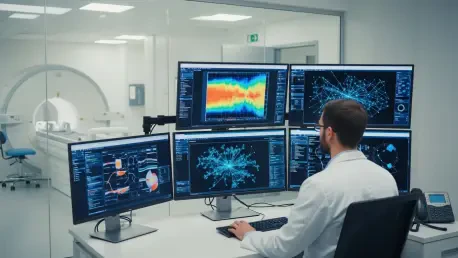
Researchers at Stanford Medicine have recently published a landmark study in the journal Cephalalgia that seeks to bridge the gap between subjective experience and biological reality. Under the leadership of Dr. Robert Cowan and Jaiashre Sridhar, the team utilized advanced functional magnetic resonance imaging, or fMRI, to observe the brains of 111 migraine patients alongside 51 healthy control subjects. This specific research represents a departure from traditional hypothesis-driven science, as the investigators employed a data-driven computational approach to analyze massive datasets. By allowing algorithms to identify patterns without preconceived notions of what a migraine “should” look like on a scan, the team uncovered hidden relationships within the neural architecture. This methodology allowed the researchers to look past the superficial similarities of the patients’ physical brain structures to find the underlying functional variances that define the migraine experience for different individuals.
The study focused on two primary types of imaging data to build a comprehensive map of the migraine-affected brain: structural MRI and functional MRI. While structural imaging provides high-resolution pictures of the physical anatomy, it revealed remarkably few differences between the migraine sufferers and the healthy control group, suggesting that the problem is not one of physical deformity but of operational connectivity. In contrast, the functional MRI data, which monitors real-time blood flow and neural activity, proved to be highly predictive and revealed distinct physiological signatures. These functional patterns allowed the computational models to categorize patients into two separate biological clusters based on how their brains process information and manage sensory input from the external world. This breakthrough suggests that the current medical understanding of migraines as a singular condition may be outdated, as the functional data points toward a more complex set of neurological realities.
Distinguishing Cluster 1 and Cluster 2 Patterns
The identification of Cluster 1 and Cluster 2 marks a fundamental shift in how the medical community can now categorize migraine pathology based on objective biological markers. Patients belonging to Cluster 1 exhibited brain activity patterns that remained remarkably similar to those of the healthy control group, even during their symptomatic periods. These individuals generally reported less severe headaches, and their neurological responses to sensory stimuli like light or sound were relatively moderated compared to the more extreme cases. For this group, the migraine appears to be a transient event that, while painful, does not fundamentally alter the underlying way the brain communicates with itself or processes the environment. This biological proximity to the control group suggests that their condition might require a different therapeutic approach than those who fall into the more severe biological category identified by the Stanford research team.
In stark contrast, patients identified as belonging to Cluster 2 displayed profound deviations in their brain activity, particularly regarding the communication between the cortex and deeper subcortical regions. The cortex is responsible for high-level processing, while the subcortical areas serve as relay stations for sensory information; in Cluster 2 patients, this relationship becomes hyper-reactive. Their brains appear to over-respond to ordinary sensory experiences, effectively turning everyday sights and sounds into triggers for incapacitating pain. This group reported migraines that were significantly longer-lasting, more intense, and much more disabling than those in Cluster 1. From an evolutionary perspective, while pain is intended to be a protective mechanism against danger, the brains of Cluster 2 patients have become hypersensitive, treating benign stimuli as major threats. This discovery highlights the urgent need for treatments that specifically target this subcortical-cortical communication breakdown.
Challenging the Chronic-Episodic Treatment Model
One of the most disruptive revelations stemming from this research is that these biological clusters do not align with the traditional classification of migraines as either episodic or chronic. In current clinical practice, a patient is typically labeled as “chronic” only if they suffer from fifteen or more headache days per month, while those with fewer days are labeled as “episodic.” However, the Stanford data showed that many patients in the biologically severe Cluster 2 were technically “episodic” based on the frequency of their attacks. This means a person experiencing only five headaches a month could biologically possess a more hyper-reactive and disabled brain than someone who meets the chronic threshold. The frequency of the events, which has long been the gold standard for diagnosis and treatment planning, appears to be a poor proxy for the actual biological impact and severity of the disease on an individual’s nervous system.
This misalignment between biological reality and clinical labeling exposes a critical flaw in modern healthcare systems and insurance coverage policies. Currently, many patients who fall into the biologically severe Cluster 2 are denied access to essential preventive medications because they do not suffer from a high enough frequency of attacks to be labeled as “chronic.” Preventive treatments, such as certain beta-blockers or newer monoclonal antibodies, are often reserved for those who hit the arbitrary fifteen-day mark, leaving “episodic” patients to rely on reactive treatments that may not address the underlying neurological sensitivity. By demonstrating that biological severity is not strictly tied to frequency, the Stanford study advocates for a massive shift in medical guidelines. The research suggests that identifying a patient’s biological subtype should take precedence over simple day-counting, allowing high-risk patients to access preventive care much earlier in their treatment journey.
Moving Toward Precision Neurology and Accessibility
While the use of functional MRI has been instrumental in identifying these migraine subtypes, the high cost and logistical demands of such scans make them impractical for widespread clinical use in standard doctor visits. To bridge this gap, the Stanford researchers are now focused on identifying specific clinical symptoms and detailed patient history markers that correlate with the Cluster 1 and Cluster 2 biological profiles. The goal is to distill the complex imaging data into a set of precise diagnostic questions that a primary care physician could use to accurately predict a patient’s subtype. Furthermore, scientists are investigating the potential for blood-based biomarkers, such as specific inflammatory proteins or chemical signals, that could offer a cheap and accessible diagnostic tool. This would allow for the rapid categorization of patients in a standard office setting, bringing the benefits of advanced neuroimaging to the general population.
The movement toward precision neurology represents the final frontier in transforming migraine care from a game of chance into a targeted medical discipline. By understanding the specific biological nuances of an individual’s brain activity, clinicians can move away from the traditional “trial and error” approach that has defined headache medicine for generations. Future considerations must focus on integrating these biological subtypes into clinical trials to determine if Cluster 2 patients respond better to specific classes of drugs than those in Cluster 1. The Stanford findings provided a clear roadmap for a more compassionate and data-driven approach that prioritized the actual severity of the neurological dysfunction over the sheer number of days a patient spent in pain. As these objective markers become more integrated into routine practice, the medical community moved closer to providing personalized relief that finally addressed the “brain on fire” for millions of sufferers worldwide.