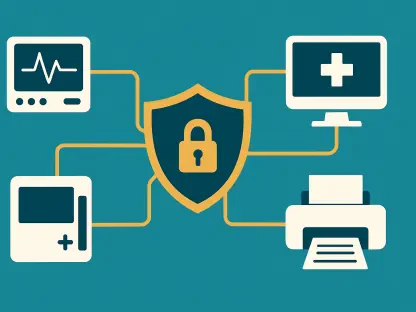

The persistence of the fax machine in modern medical facilities has long served as a frustrating symbol of systemic inertia within the Quebec healthcare network, but this era is finally coming to an end with a massive technological overhaul. On May 10, the province will initiate a landmark digital transition by launching the Digital Health Record pilot project, powered by the globally recognized Epic software suite. This ambitious rollout begins at two key integrated university health and social services centers, specifically the CIUSSS de la Mauricie-et-du-Centre-du-Québec and the CIUSSS du Nord-de-l’Île-de-Montréal. The primary objective is to consolidate roughly 400 disparate computer systems into a single, unified interface that provides a seamless flow of information. By digitizing medical histories, including allergies, current medications, and past surgical interventions, authorized professionals can access vital data in real time the moment a patient is admitted.
Modernizing Clinical Workflows and Patient Safety
Enhancing Speed and Accuracy on the Front Lines
Frontline healthcare professionals have expressed significant optimism regarding the potential of the new system to revolutionize daily operations by eliminating tedious administrative burdens. Marie-Annie Girard, a trained nurse and lead trainer for the clinical documentation module, points out that the primary value of the Epic system lies in the total removal of non-value-added tasks that currently consume hours of nursing time. Under the existing paper-based regime, admitting a patient to a long-term care facility is a grueling process involving a 50-page physical file. Approximately 20 of those pages must be manually faxed and filed, alongside the painstaking manual transcription of medication lists. The transition to a digital profile reduces these labor-intensive steps to a matter of seconds, allowing information to be shared instantly with pharmacists and other departments. This change moves the focus back to patient care rather than administrative upkeep and filing.
Immediate access to comprehensive medical records is particularly critical in emergency scenarios, such as trauma admissions, where every second counts toward a successful patient outcome. In the current fragmented environment, emergency room staff often face delays while waiting for archival personnel to retrieve physical documents from storage or other facilities. The digital shift ensures that a patient’s entire medical history is available at the click of a button, circumventing the bottlenecks created by manual labor and physical file retrieval. By providing a centralized source of truth, the platform allows various medical departments to work in synchronization, ensuring that surgical histories and pre-existing conditions are factored into treatment plans immediately. This level of connectivity transforms the hospital from a collection of isolated silos into a responsive, data-driven network where information moves as fast as the clinical teams requiring it for critical decisions.
Improving Pharmacological Safety and Data Integrity
Pharmacist Pierre-Olivier Hallé provides further insight into the safety benefits of the new system, specifically regarding the high risks associated with traditional prescribing methods. A recurring issue in medical settings has been the potential for error stemming from illegible handwriting on physical prescriptions and the fragmentation of patient data across disconnected databases. The new digital environment creates a “one-click” interface where dosages are clear and the medication process is significantly more secure for the patient. By synchronizing medication records province-wide, the system ensures that pharmacists are working with the most up-to-date information, reducing the likelihood of dangerous drug interactions. This modernization represents a major leap in precision, moving away from antiquated manual methods that have historically compromised patient safety. The software effectively serves as a safety net that catches discrepancies before they reach the patient.
While the transition involves an acknowledged learning curve, with experts estimating a one-to-two-month period before users reach peak efficiency, the long-term benefits are substantial. Practitioners who have begun training on the system highlight that the ability to complete clinical notes more quickly allows for more direct engagement with patients. The software is being described as a high-end medical tool that sets the gold standard for modern healthcare technology despite the initial challenges of such a massive digital shift. As staff members become more accustomed to the interface, the reliability of data collection is expected to improve, leading to more accurate long-term patient follow-ups and better clinical outcomes. This shift is not merely about replacing paper with screens; it is about establishing a foundation of data integrity that supports complex medical decision-making. The investment in training today is viewed as a necessary step to ensure the future stability and efficacy of the network.
Managing Financial Integrity and System Viability
Balancing Investment Costs with Proven Standards
The financial commitment required for this transition is significant, with the initial pilot project carrying a price tag of at least $400 million and requiring a massive support staff. To ensure the launch proceeds smoothly, over 1,000 individuals have been assigned to provide technical and clinical support across the initial implementation sites. Looking ahead, the total cost for the province-wide rollout is projected to be between $1.5 billion and $3 billion, a figure that reflects the sheer scale of the modernization effort. Health Minister Sonia Bélanger has remained steadfast in the government’s commitment to the project, despite the high costs and the inevitable friction that comes with such a large-scale change. She maintains that Santé Québec has performed the necessary groundwork to mitigate potential risks and expresses full confidence in the viability of the program. The government views this expenditure as a vital investment in the modernization of public services.
Beyond the immediate financial investment, the project faces scrutiny from the public procurement authority regarding the initial contract award for the software system. Investigations are currently exploring the 2023 procurement process, while critics have raised concerns regarding reported security flaws and technical bugs that have appeared in similar implementations elsewhere. Despite these regulatory challenges, the provincial leadership emphasizes that the groundwork has been meticulously laid to address potential vulnerabilities before the full rollout occurs. The administration acknowledges that while no digital transition of this size is entirely without risk, the current system’s reliance on paper is a far greater liability for patient safety. By moving forward, the province aims to resolve these technical hurdles through rigorous testing and a phased implementation strategy that allows for adjustments based on pilot results. This proactive stance is intended to build public trust in the new system’s integrity.
Leveraging Global Experience for Local Implementation
To counter skepticism regarding the reliability of the software, provincial health leaders often point to the successful track record of the platform on an international scale. The Epic system is already operational in 16 countries, supporting approximately 2,800 hospitals and more than 580,000 physicians globally. With a user base exceeding 317 million patients worldwide, the software is presented as a proven and reliable solution that has successfully replaced fragmented legacy systems in diverse contexts. This global success suggests that the platform is capable of handling the complexities of the Quebec healthcare network and can scale effectively as more facilities are brought online. By adopting a system with such a broad international footprint, Quebec is aligning itself with global best practices in medical informatics. The wealth of data and user feedback from these international implementations provides a valuable roadmap for local administrators to follow as they navigate the complexities of the transition.
The successful initiation of the digital health pilot project provided a blueprint for how modern technology could finally replace the inefficient paper-based workflows of the past. Stakeholders recognized that while the financial and regulatory hurdles were significant, the imperative for improved patient safety and operational efficiency outweighed the initial risks. Administrators moved forward with a strategy that prioritized extensive staff training and rigorous data security protocols to ensure long-term system stability. Future considerations now involve the integration of specialized clinics and community health centers into the unified network to create a truly comprehensive patient record system. By maintaining a focus on interoperability and user feedback, the province established a framework for continuous improvement within the healthcare sector. This transition demonstrated that a coordinated, data-driven approach could successfully modernize a legacy infrastructure, provided that the focus remained on clinical outcomes and technical transparency.