
The realization of a modern medical facility often hinges on the delicate intersection of grassroots passion and high-level corporate philanthropy, as demonstrated by the recent surge in funding for the Quw’utsun Valley Hospital. This project reached a pivotal financial milestone when the Cowichan community successfully generated five million dollars through an array of local efforts, ranging from service club initiatives to contributions from over one thousand three hundred individual donors. This collective momentum was met with a matching gift from businessman Jimmy Pattison, effectively doubling the local contribution and injecting a total of ten million dollars into the project. Such a substantial infusion of capital has propelled the foundation toward its twenty-million-dollar objective, with seventeen million dollars currently secured. This collaborative model illustrates how regional engagement can catalyze significant private investment, ensuring that the burden of modernizing healthcare infrastructure does not fall solely on public coffers or local taxpayers.
Strategic Investments: Modernizing Regional Diagnostics
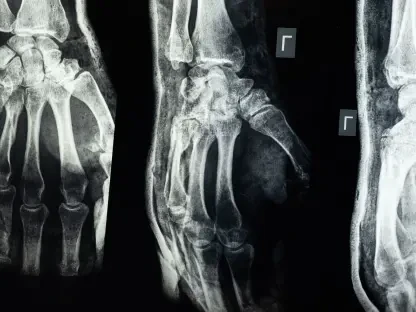
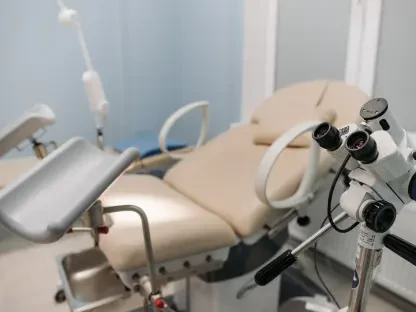
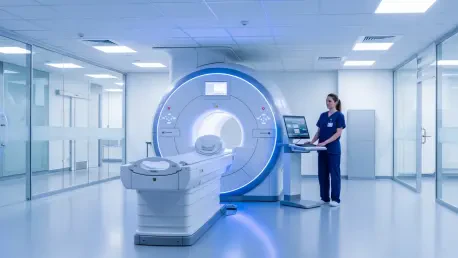
The specific allocation of these funds reflects a strategic focus on high-tech diagnostic capabilities and specialized medical departments that have historically been underserved in smaller regional centers. By prioritizing the purchase of advanced MRI and CT scanners alongside specialized tools for oncology and maternity services, the foundation is addressing the critical need for sophisticated onsite diagnostics. This shift toward self-sufficiency within the Quw’utsun Valley is designed to mitigate the long-standing issue of patients traveling to urban hubs for essential care, which often delays treatment and increases the physical and financial strain on families. Healthcare officials emphasize that integrating these state-of-the-art tools directly into the local emergency departments and operating rooms will drastically improve patient outcomes. The presence of world-class equipment also serves as a powerful recruitment tool, attracting high-caliber medical professionals who seek to work in environments that support cutting-edge clinical practices.
Establishing a sustainable roadmap for regional healthcare transformation required a shift from traditional fundraising to a high-impact model that balanced immediate equipment needs with long-term facility stability. As the Quw’utsun Valley Hospital prepared for its scheduled opening in the spring of 2027, the focus transitioned toward finalizing the remaining three-million-dollar funding gap to ensure the facility began operations with a full suite of technological resources. Stakeholders recognized that maintaining this level of care necessitated ongoing partnerships between regional health authorities and private donors to fund future upgrades and specialized training. Organizations looking to replicate this success observed that the key lied in transparently identifying specific equipment needs, which allowed donors to see the direct correlation between their contributions and life-saving capabilities. By fostering a sense of shared ownership, the community ensured that the new hospital remained a central pillar of regional health, proving that localized efforts could effectively close medical gaps.