
Addiction functions as a complex recalibration of the brain’s reward processing and decision-making circuits rather than a simple failure of personal moral character. For decades, the struggle against substance use disorder was framed primarily through the lens of willpower, yet the persistence of behavioral dependencies has forced a radical shift in clinical perspectives. This transition recognizes that chronic substance use effectively hijacks neural architecture, leaving individuals trapped in cycles of compulsion that standard talk therapy often struggles to break. As we move into the second half of this decade, the convergence of high-speed computing and neurobiology is opening new frontiers in treatment. By viewing the brain as a dynamic system capable of reorganization, researchers are developing tools that do more than just manage symptoms; they seek to retune the biological mechanisms that drive addiction. The integration of engineering with behavioral science now allows for interventions that provide clinicians with precise instruments to foster lasting change.
Immersive Behavioral Conditioning
Harnessing Virtual Reality Exposure Therapy
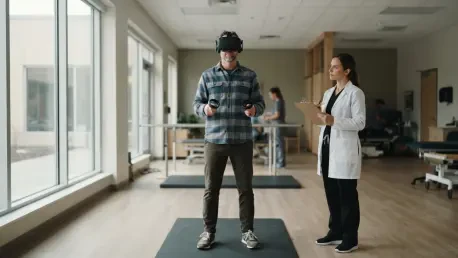
Virtual Reality Exposure Therapy, or VRET, has emerged as a critical bridge between the sterile environment of a therapist’s office and the chaotic, trigger-filled world that patients face daily. Traditional recovery often relies on a patient’s ability to imagine a high-stress scenario and then intellectually decide how they would react, but this cognitive exercise frequently fails during an actual moment of crisis. VR changes this dynamic by placing the individual inside a computer-generated environment that realistically mimics a bar, a high-pressure social event, or even a specific street corner where they previously purchased substances. In these digital spaces, the brain reacts to visual and auditory cues as if they were real, allowing cravings to surface in a safe and controlled setting. This controlled exposure gives clinicians the opportunity to monitor physiological responses in real-time while guiding the patient through the process of de-escalating their emotional arousal.
Rehearsing Social Skills in Digital Spaces
Beyond simply managing cravings, VR technology facilitates the acquisition of practical social skills that are essential for long-term sobriety but difficult to practice in isolation. Many individuals in recovery struggle with social anxiety or the pressure of peer influence, which can lead to a return to substance use simply to avoid discomfort. In a simulated social gathering, a patient can repeatedly practice the physical and verbal act of refusing a drink or declining an invitation to use drugs. This behavioral rehearsal transforms an abstract goal into a tangible habit, making the correct choice feel more natural and less taxing during real-life encounters. By simulating various social nuances—such as an insistent friend or a stressful networking event—VR allows for a level of specificity that role-playing with a therapist cannot match. This repetition helps to rebuild the decision-making circuits that were previously compromised by addiction, providing a sense of agency that is vital for confidence.
Measuring Therapeutic Efficacy in Simulations
Recent data collected between 2026 and the preceding year indicate that VRET is particularly effective at reducing immediate craving intensity across a wide range of substances, including alcohol, nicotine, and stimulants. A systematic review of recent randomized controlled trials demonstrates that participants who underwent VR-assisted therapy showed a markedly higher ability to resist triggers compared to those receiving traditional counseling alone. However, medical experts emphasize that while these immersive experiences are powerful, they are not a substitute for comprehensive treatment. The primary utility of VR lies in its role as a sophisticated training ground where neural pathways associated with habituation and extinction can be reinforced. Success depends heavily on the presence of a skilled clinician who can adjust the intensity of the simulation to ensure the patient remains in a therapeutic zone. Without professional oversight, there is a risk that immersion could become overwhelming, potentially reinforcing the craving response.
Refining De-escalation through Granular Triggers
The ability to identify the exact moment a craving intensifies is a hallmark of sophisticated recovery, and VR offers a unique laboratory for this self-discovery. As a patient moves through a digital environment, they can pinpoint the specific triggers—whether it be the sound of a bottle opening or the sight of a specific brand—that spark their internal signaling. Identifying these micro-triggers allows for the development of highly personalized exit strategies and support-seeking behaviors. Instead of a general plan to avoid alcohol, an individual might develop a specific response for when they encounter a certain type of glass or a specific social dynamic. This level of granular preparation shifts the focus from passive avoidance to active management of one’s environment. Furthermore, the technology enables the rehearsal of mindfulness and grounding techniques in the very situations where they are most needed. This practical application ensures that the coping mechanisms are not just theoretical but ready for the real world.
Direct Neural Modulation and Human Factors
Stimulating Neural Pathways with Precision
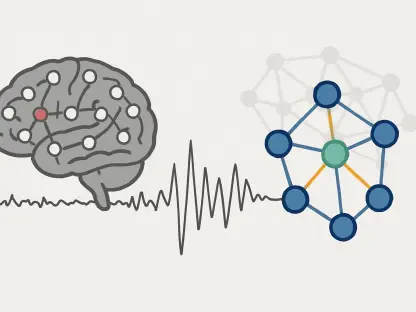
While virtual reality addresses the experiential layers of addiction, Deep Brain Stimulation, or DBS, targets the physiological hardware of the brain that drives compulsive behavior. This intervention involves the surgical implantation of fine electrodes into specific regions of the brain, such as the nucleus accumbens, which are central to the reward and motivation circuits. These electrodes are connected to a small pulse generator typically placed under the skin of the chest, which sends controlled electrical impulses to regulate abnormal neural activity. In cases of severe, treatment-resistant addiction, the brain’s internal signaling often becomes locked in a pattern of perpetual craving and diminished impulse control. DBS seeks to disrupt these dysfunctional loops, essentially resetting the electrical baseline of the brain to a more balanced state. By modulating these deep structures, clinicians hope to reduce the biological noise that makes it nearly impossible for some individuals to focus on their recovery goals.
Assessing Risks in Invasive Neurological Care
Despite its potential, DBS remains an invasive procedure that carries significant medical risks, and its application in addiction treatment is currently reserved for the most desperate clinical scenarios. The surgery itself involves risks common to any neurosurgical intervention, including the possibility of infection, hemorrhaging, or adverse reactions to anesthesia. Furthermore, the long-term effects of constant electrical stimulation on human personality and emotional regulation are still being closely monitored as part of ongoing research initiatives between 2026 and 2028. Because of these factors, DBS is not considered a first-line treatment, but rather a last resort for individuals who have failed multiple pharmacological and psychological interventions. Candidates must undergo rigorous psychiatric screening and are required to commit to lifelong monitoring by a team of neurosurgeons and specialists. This approach highlights the extreme complexity of the brain and the necessity of highly specialized care when dealing with biological roots.
Integrating Social Determinants into Recovery
No amount of neurotechnology can fully compensate for a lack of stable environmental factors, which remain the most significant predictors of long-term recovery success. Research consistently shows that social determinants of health—including housing stability, employment opportunities, and financial security—are the foundation upon which all clinical interventions must be built. A patient who successfully recalibrates their brain’s reward system through VR or DBS but returns to a life of homelessness or extreme poverty faces an uphill battle that technology cannot win on its own. The stressors of economic instability and social isolation are powerful drivers of substance use that can override the benefits of even the most advanced neurological treatments. Therefore, high-tech recovery programs are increasingly being integrated with comprehensive social services that address these underlying issues. By providing a stable environment, we create the necessary space for the brain to heal and for the new coping mechanisms to take root.
Establishing Ethical Governance for Neurotech
The rise of neurotechnology in addiction treatment brought with it a set of profound ethical responsibilities that required addressing to protect patient rights and autonomy. Devices used in VR therapy and brain stimulation collected immense amounts of sensitive data, including biometric signals and emotional responses. Ensuring the privacy of this information was paramount, as any breach could lead to unprecedented levels of personal intrusion. Clinicians and developers established clear protocols for data governance, ensuring that patients had control over their neural profiles. Moreover, the use of permanent brain implants like DBS raised questions about the long-term impact on a person’s sense of self. Moving forward, the most effective solutions prioritized the individual’s overall well-being rather than treating the brain as a technical problem. This evolution showed that while the hardware of the brain could be adjusted, the goal was to empower the human being to build a life of purpose, resilience, and compassionate engagement.