
A nine-month observational project at a U.S. children’s hospital revealed that immersive technology reduces median distress scores from a 3.0 to a 1.0 on a ten-point scale. This finding marks a significant milestone in the ongoing evolution of pediatric surgical preparation, where the traditional reliance on pharmacological intervention is increasingly being challenged by digital therapeutics. For many young patients, the anticipation of surgery triggers a cascade of psychological stress that can complicate medical procedures and delay recovery. By introducing virtual reality as a non-invasive tool, clinicians are discovering that the mind can be effectively redirected through immersive stimuli, providing a safer alternative to heavy sedation. This shift toward high-tech distraction methods reflects a broader trend in modern healthcare, where patient comfort is prioritized alongside clinical precision. As more hospitals adopt these immersive systems, the focus is shifting from simply managing physical symptoms to addressing the holistic needs of the child during one of the most vulnerable moments of their lives.
Understanding the Clinical Challenge: Managing Pediatric Distress
Addressing the Impact of Preoperative Anxiety
Preoperative anxiety is far from a minor concern; it represents a persistent clinical barrier affecting approximately 50 to 75 percent of all children scheduled for elective surgical procedures. When a child experiences significant distress prior to anesthesia, the physiological repercussions are often immediate and measurable. These include heightened heart rates and erratic breathing patterns that can complicate the induction phase of anesthesia, potentially leading to airway issues or a slower onset of sedation. Furthermore, the psychological trauma associated with a frightening hospital experience often persists long after the procedure is finished. Children who experience high levels of preoperative fear are statistically more likely to report intense postoperative pain and exhibit behavioral regressions, such as sleep disturbances or separation anxiety, in the weeks following their discharge. Addressing these symptoms early in the surgical timeline is therefore essential for ensuring both immediate safety and long-term recovery.
Historically, the medical community has leaned heavily on pharmacological agents, such as midazolam, to mitigate the intense fear felt by young patients entering the operating room. While these sedatives are effective at inducing calm, they are not without substantial drawbacks that keep clinicians searching for alternatives. Medications can cause paradoxical reactions where a child becomes more agitated rather than calmer, and they frequently lead to side effects such as nausea, dizziness, or prolonged drowsiness that delay the discharge process. Moreover, the efficacy of these drugs varies widely based on the child’s age, weight, and individual metabolism, making it difficult to achieve a consistent therapeutic effect without risking over-sedation. As the healthcare industry moves through 2026, there is a clear push to reduce the chemical burden on developing bodies. Non-invasive interventions that integrate seamlessly into the workflow of a busy hospital are now being prioritized to provide a more tailored and safer experience.
Creating Immersive Environments for Healing
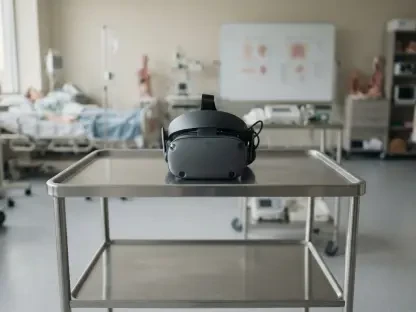
To explore the practical benefits of digital distraction, researchers from Virginia Commonwealth University conducted a focused study involving 80 pediatric patients between the ages of 6 and 15. This nine-month project utilized Meta Quest headsets to transport children away from the sterile atmosphere of the surgical prep area into highly curated digital landscapes. Each participant was introduced to the technology shortly before their scheduled surgery, allowing the immersive experience to serve as a bridge between the waiting room and the operating room. The study was designed to be as unobtrusive as possible, ensuring that the use of virtual reality did not interfere with standard medical protocols such as physical examinations or the placement of monitoring equipment. By embedding the technology into the existing preoperative timeline, the research team demonstrated that high-tech interventions do not necessarily require additional time or specialized staffing. This practical approach was vital for assessing whether such tools could survive the rigors of daily hospital operations.
The software utilized in this project offered children a choice between two meticulously designed environments: a tranquil beach scene and an interactive children’s room. In the beach setting, patients were surrounded by the gentle sounds of waves and visual elements such as a vast ocean horizon and soft color palettes, which are scientifically proven to lower sympathetic nervous system activity. The interactive room, on the other hand, featured familiar objects like teddy bears and large windows, providing a sense of domestic security that countered the intimidating presence of surgical equipment. These scenes were not merely passive videos but active digital spaces that encouraged the child to engage with their surroundings, effectively crowding out the sensory inputs of the hospital ward. By providing a sense of agency and control to a patient who often feels powerless in a medical setting, the virtual reality experience transformed a period of anxious waiting into one of active relaxation. The design focused on simplicity to ensure that even the youngest participants could navigate the virtual space without frustration.
Analyzing Outcomes: Quantifying Psychological and Physiological Success
Observing Reductions in Fear and Physiological Stress
The quantitative data gathered during the study provided clear evidence of the psychological benefits associated with immersive technology. When patients reported their distress levels on a ten-point scale, the median score dropped from a 3.0 pre-intervention to a 1.0 after the virtual reality session. This reduction represents more than just a minor shift in mood; it indicates a significant change in the patient’s emotional state during a high-stakes transition. Fear levels followed a similar downward trajectory, with median scores moving from 1.0 to a complete 0.0 on a four-point scale. These results suggest that for the majority of children, the digital environment was capable of entirely neutralizing the acute fear of the impending procedure. The statistical significance of these drops confirms that the results were not accidental but a direct consequence of the intervention. Such dramatic improvements in self-reported scores highlight the potential for digital tools to act as a primary defense against the emotional trauma frequently associated with childhood hospitalization.
Beyond psychological scores, the physiological data collected during the study provided an objective confirmation of the technology’s impact. Monitoring equipment tracked heart rates and blood pressure throughout the intervention, revealing a consistent trend toward cardiovascular stability. On average, children experienced a decrease in heart rate of 5.8 beats per minute following their time in the virtual environment. This reduction in tachycardia is a clear sign of decreased sympathetic nervous system activation, commonly known as the fight-or-flight response. When a child is anxious, their body releases stress hormones like cortisol and adrenaline, which put additional strain on the heart and lungs. By slowing the heart rate through immersive distraction, the system effectively helped the body return to a state of homeostasis. This physiological calm is especially beneficial just before surgery, as it reduces the metabolic demand on the body and can lead to a more stable cardiovascular profile throughout the entire duration of the procedure.
Assessing Integration and Future Clinical Goals
A major hurdle for any new medical technology is how well it integrates into the daily routine of a fast-paced clinical environment. In this regard, the project was a resounding success, largely due to the feedback provided by the 29 nurses who facilitated the sessions. These professionals reported that the headsets were intuitive to use and did not require extensive setup time or complex troubleshooting, which is often a deal-breaker in surgical units. Every nurse who participated in the study indicated that they would recommend the program for future surgical patients, highlighting the ease with which digital health tools can be woven into the standard of care. Because the technology did not disrupt their primary duties—such as checking vitals or reviewing surgical checklists—it was viewed as a helpful asset rather than an additional burden. This level of professional acceptance is critical for the long-term sustainability of such programs, as nurses are the primary gatekeepers of patient care and must feel confident in the tools they are asked to implement.
The successful implementation of this program prompted a shift in how administrators viewed the role of digital health in routine preoperative care. Looking forward, the medical community emphasized the need for randomized controlled trials to further validate these findings across larger and more diverse patient populations. Researchers suggested that future iterations of the software could include more personalized content, allowing children to choose environments that specifically resonate with their own interests and coping mechanisms. As the focus expanded into other high-stress areas like emergency departments and oncology clinics, the foundational framework established during this nine-month study provided a blueprint for non-pharmacological management. The project ultimately proved that digital analgesics could reduce the psychological burden on young patients while simultaneously improving clinical efficiency. By prioritizing these innovative solutions, healthcare systems took a proactive step toward minimizing the trauma of childhood illness and ensuring that every patient maintained their emotional resilience during the surgical process.