As smart devices continue to grow exponentially in our daily lives, their cybersecurity vulnerabilities have started to pose significant risks to consumers and manufacturers alike. In a bid to curtail these risks and bolster trust, the Biden-Harris Administration introduced the U.S. Cyber Trust

The White House has taken a significant step in addressing the cybersecurity concerns of Internet-connected devices with the introduction of the U.S. Cyber Trust Mark. This new label, authorized by the Federal Communications Commission (FCC) through a unanimous bipartisan vote, aims to enhance the

The increasing dependency on Internet of Things (IoT) devices poses a significant challenge for ensuring the security of such products. Recognizing this growing issue, the White House has launched the U.S. Cyber Trust Mark, a voluntary cybersecurity labeling program for internet-connected devices.

In today's interconnected world, the need for secure and reliable systems has never been more critical. Authentication ICs (integrated circuits) play a pivotal role in ensuring the authenticity of devices, data, and users through advanced cryptographic techniques. These specialized chips are

The Data Act, which came into force in January 2024 and will be fully applicable by September 2025, is set to revolutionize the medical and health devices sector. This legislation aims to regulate access to and fair use of data generated through the usage of networked devices, fostering a

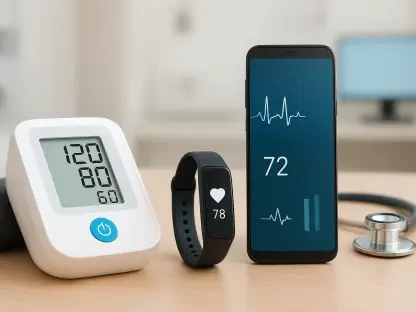
As the global healthcare landscape continues to evolve, the patient monitoring devices market is experiencing significant growth, fueled by technological advancements, an uptick in chronic disease cases, and a notable shift towards remote and home-based healthcare settings. This market is projected