
The heavy oak doors of the Hart Senate Office Building swung open on September 16, 2026, revealing a high-stakes arena where the future of American public health hung precariously in the balance. This was not merely another routine administrative hearing; it was a defining moment for a nation
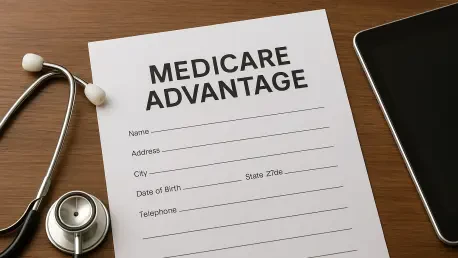
The vast landscape of American senior healthcare is currently witnessing a historic shift as the privatized Medicare Advantage program moves toward becoming the default choice for millions of beneficiaries. As of 2026, this system serves approximately 35 million citizens, marking a definitive

A missing face-to-face encounter document is one of the most persistent reasons for claim denials, despite the advancement of sophisticated electronic health record software. In the competitive healthcare landscape of 2026, home health agencies found themselves navigating a maze of regulatory

The economic cost of diabetes-related complications in the United States exceeds four hundred billion dollars annually, requiring targeted outreach that is only possible with precise demographic insight. The United States is currently navigating a complex transition in administrative policy as

Funding from charitable contributions has allowed the Trust to modernize its approach to public health by decentralizing critical life-saving infrastructure. By relocating two Automated External Defibrillators from restricted internal rooms to high-visibility external cabinets, the Countess of

Integrating intelligent insights directly into existing clinical workflows is essential for ensuring long-standing technology adoption among medical staff. For over a decade, the healthcare industry focused heavily on the broad digitization of medical records, aiming to streamline operations and