
Integrating intelligent insights directly into existing clinical workflows is essential for ensuring long-standing technology adoption among medical staff. For over a decade, the healthcare industry focused heavily on the broad digitization of medical records, aiming to streamline operations and improve data accessibility. However, this transition frequently resulted in an unexpected surge of administrative complexity, leaving clinicians tethered to screens instead of patients. As of the current landscape from 2026 to 2028, the industry is pivoting toward sophisticated AI agents that move beyond simple data entry. These systems are designed to understand context and anticipate the needs of a clinical practice, addressing the friction caused by rigid regulatory frameworks. By shifting the burden of data synthesis from humans to intelligent software, organizations can finally realize the promise of a digital health ecosystem that supports, rather than hinders, the delivery of high-quality medical care.
Addressing the Administrative Crisis
The Failure of Legacy Systems: Why Traditional Automation Stalls
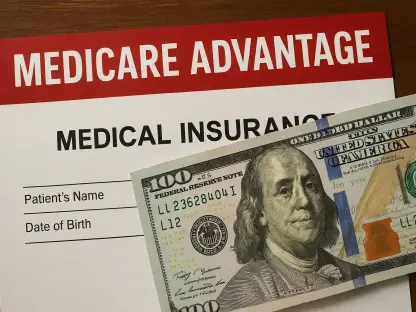
Traditional task-based automation has often fallen short because it operates on fixed, linear logic that cannot keep pace with the dynamic nature of clinical medicine. These legacy systems are proficient at repetitive data moving but struggle when faced with complex regulatory programs like the Merit-based Incentive Payment System (MIPS). Clinicians find themselves caught in a cycle of manual interpretation, where they must constantly bridge the gap between patient encounters and the granular documentation required for Medicare reimbursement. This administrative friction is not merely a nuisance; it represents a significant barrier to operational efficiency and provider well-being. When software only handles isolated fragments of a workflow, human teams must still perform the heavy lifting of identifying data gaps and deciding on corrective actions. Consequently, the promised time savings of early digital tools never fully materialized for many practices, necessitating a more intelligent approach.
Intelligent Synthesis: Moving Toward Context-Aware AI
In contrast to these rigid tools, modern AI agents represent a significant leap forward by offering systems that synthesize information from disparate sources and guide active decision-making. These agents do more than just process data; they monitor shifting regulatory thresholds and track quality measures in real-time to ensure compliance before errors occur. This technological evolution allows healthcare organizations to transition from a retrospective model, which relies on late-stage audits and post-submission corrections, to a proactive environment of continuous improvement. By providing contextual guidance at the point of care, AI agents help staff understand the next logical step in a patient’s journey or a documentation requirement. This shift reduces the cognitive load on clinicians, allowing them to focus on clinical nuances while the software manages the underlying complexity of regulatory reporting and data alignment across different electronic health record systems.
Enhancing Financial and Operational Resilience
Risk Management: Protecting Revenue through Data Accuracy
The financial health of a modern medical practice is increasingly tied to the precision of its regulatory submissions and the accuracy of its performance documentation. Under current frameworks, even minor discrepancies between actual clinical care and reported data can lead to substantial financial penalties or diminished performance scores that affect long-term viability. AI agents provide an essential layer of risk mitigation by offering continuous visibility into data quality throughout the reporting cycle. These systems are capable of catching inconsistencies early, ensuring that every submission remains perfectly aligned with the most recent federal requirements. This level of oversight creates a much more predictable financial environment for practices that are often operating under tight resource constraints. By reducing the reliance on manual data clean-up efforts after the fact, organizations can save thousands of hours and protect their revenue streams from the volatility of evolving quality metrics.
Practical Pathways: Implementation and the Road Ahead
Clinical leaders recognized that the transition to intelligent agents was no longer a luxury but a fundamental requirement for maintaining operational resilience. These systems allowed the healthcare workforce to reclaim valuable time previously lost to administrative maintenance, which shifted the institutional focus back toward medical expertise and patient outcomes. To move forward, organizations began conducting thorough audits of their current documentation pain points and identified specific areas where manual interpretation created the most friction. Investing in staff training for AI interaction and prioritizing vendors that offered deep EHR integration proved to be the most effective strategies for early adopters. By combining real-time contextual awareness with rigorous data management, clinical operations became more consistent, accurate, and high-performing. Ultimately, successful implementation of these agents simplified the business side of medicine, ensuring that providers remained empowered to focus on their patients.