
Those seeking restitution for identity theft losses must provide tangible evidence such as bank statements or receipts, as personal notes are not accepted as valid proof. The legal resolution of the cybersecurity incident involving Ochsner LSU Health and Regional Urology represents a significant milestone for thousands of patients whose sensitive medical and personal data were compromised in a 2021 cyberattack. This settlement addresses long-standing grievances regarding the protection of health information and provides a framework for financial compensation for those who can demonstrate specific monetary losses resulting from the breach. While the healthcare providers have maintained that they were not negligent in their security practices, the agreement to settle suggests a desire to move past the litigation and focus on restoring patient trust. For many individuals, the news brings a sense of closure after years of uncertainty regarding the safety of their records and the future of their privacy.
Framework for Claims and Compensation
The settlement establishes a comprehensive claims process designed to address various levels of impact experienced by the affected class members. Under the terms of the agreement, individuals who were notified that their personal information was involved in the data breach are eligible for different tiers of reimbursement. The most basic level includes compensation for time spent addressing issues related to the breach, such as monitoring credit reports or contacting financial institutions. However, the more substantial payouts are reserved for those who suffered documented out-of-pocket expenses or identity theft. This structured approach ensures that the limited settlement fund is distributed in a manner that prioritizes those with the most severe financial injuries. Legal experts note that such tiered systems have become the standard in large-scale data privacy litigation, as they balance the needs of a massive group of plaintiffs with the finite resources available for the settlement.
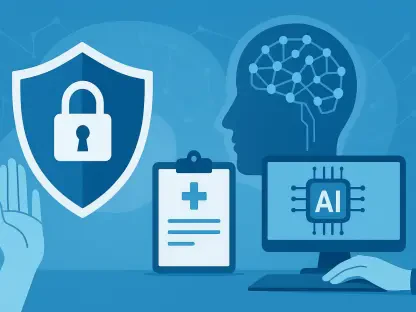
Beyond direct financial compensation, the settlement also mandates that the healthcare entities implement enhanced security measures to prevent future occurrences of similar incidents. These improvements often involve more rigorous encryption protocols, multi-factor authentication for all remote access points, and frequent third-party security audits to identify potential system weaknesses. By including these requirements in the legal agreement, the plaintiffs have secured a commitment to better data stewardship moving forward from 2026 to 2028. This proactive element of the settlement is arguably as important as the monetary aspect, as it aims to fortify the digital infrastructure of Ochsner LSU and Regional Urology. It reflects a growing trend where litigation outcomes are not just about past damages but also about institutional reform. Patients are increasingly demanding that their healthcare providers treat cybersecurity with the same level of care as clinical procedures, and this legal outcome reinforces that expectation.
Strengthening Healthcare Data Infrastructure
The ramifications of this data breach extend far beyond the courtroom, touching on the fundamental relationship between patients and their healthcare providers. When a medical facility experiences a breach, it compromises not just Social Security numbers or financial data, but also deeply personal medical histories that individuals expect to remain private. The settlement aims to mitigate some of this damage by providing credit monitoring services, which offer a safety net for those concerned about long-term identity theft risks. These services are vital for early detection of fraudulent activity, allowing patients to react quickly if their information is misused in the future. Furthermore, the public nature of the settlement serves as a warning to other healthcare organizations across the region. It highlights the high cost of failing to protect patient data, including legal fees, settlement payouts, and the loss of reputational capital, which can be far more difficult to recover than financial assets.
Stakeholders concluded that the finalization of this agreement provided a necessary roadmap for improving cybersecurity posture within the regional healthcare sector. By establishing clear protocols for restitution and demanding technological upgrades, the legal system facilitated a path toward better protection for millions of records. Industry leaders recognized that the burden of proof placed on victims for identity theft claims highlighted the necessity of maintaining meticulous personal financial records in the digital age. They recommended that patients proactively utilize the provided credit monitoring tools and remain vigilant against sophisticated phishing attempts that often followed such high-profile breaches. Moving forward, the focus shifted toward a collaborative model where healthcare providers and cybersecurity firms worked in tandem to stay ahead of evolving threats. This proactive stance was seen as the most effective way to ensure that sensitive health information remained confidential, thereby upholding the sanctity of the patient-provider relationship.