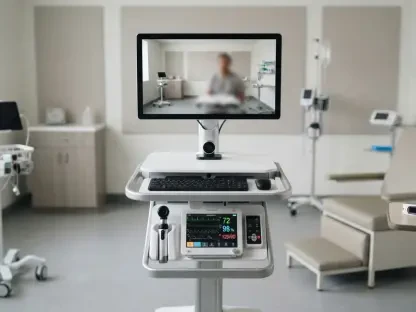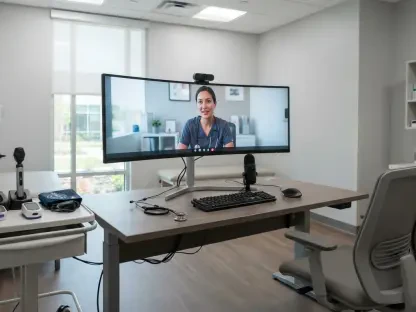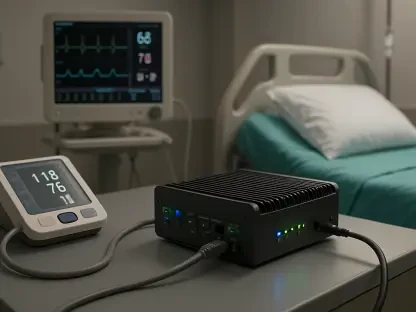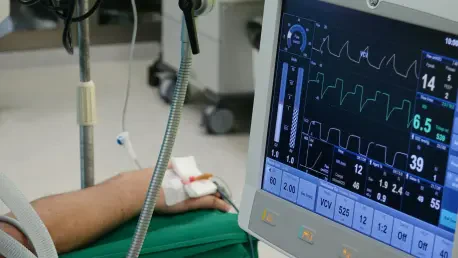
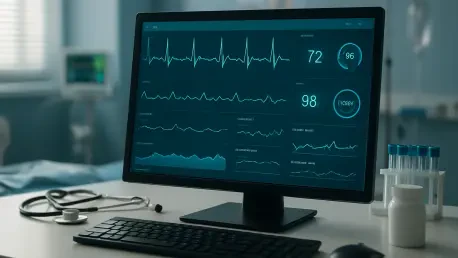
The traditional model of healthcare, characterized by periodic check-ups and reactive treatments, is undergoing a profound transformation driven by the quiet integration of interconnected devices into our daily lives. This evolution, powered by the Internet of Things (IoT), is shifting the focus

The modern healthcare landscape is generating an unprecedented volume of sensitive patient information, yet the systems tasked with protecting this data often rely on outdated, centralized architectures that are dangerously fragile. These traditional databases represent a single point of failure,

In the high-stakes, fast-paced environment of an emergency department, a new in-depth analysis of the ethnographic study, “Shared decision-making with older people on Treatment Escalation planning for Acute deterioration in the emergency Medical Setting – Observed (STREAMS-O),” reveals the critical

The immense pressure on modern healthcare systems, driven by workforce shortages and the complexities of value-based care, has created a critical need for solutions that move beyond simple automation. While initial forays into artificial intelligence offered tools like chatbots and basic data

The relentless pace of technological innovation has long been at odds with the methodical, deliberate speed of governmental regulation, creating a bottleneck that has frustrated both developers and consumers in the burgeoning health tech sector. In a landmark policy shift, the U.S. Food and Drug

The seamless flow of information has become as critical to patient outcomes as the sterile precision of a surgical instrument, transforming the invisible digital infrastructure of healthcare into a vital clinical asset. In an environment where a single dropped data packet could delay a life-saving