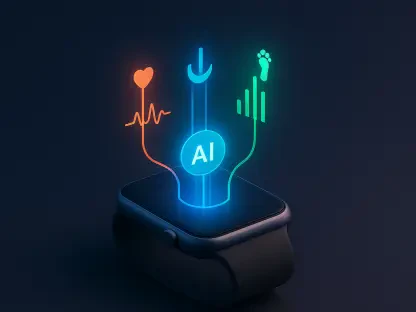
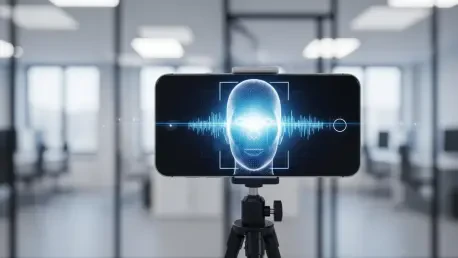
Stress has traditionally existed as an invisible, subjective experience that defies precise quantification outside of a controlled laboratory or clinical environment. While individuals often recognize the physical sensations of a racing heart or shallow breathing, the ability to translate these

A sleek, thirty-eight-foot-long medical suite painted with symbols of hope and health is currently navigating the winding rural roads of Sussex County, Delaware, fundamentally altering how residents perceive and access life-saving screenings. This initiative by TidalHealth represents a strategic
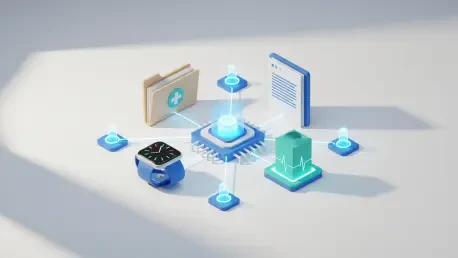
Most individuals find themselves overwhelmed by the sheer volume of health metrics generated by wearables and scattered clinical portals that never seem to communicate with one another effectively. To address this fragmentation, OpenAI has introduced a sophisticated feature called "Health in
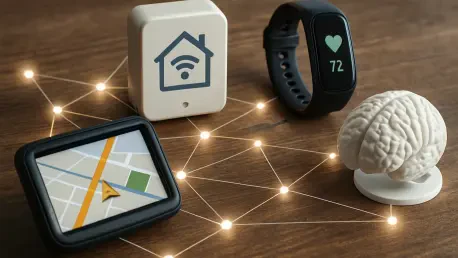
Modern life is increasingly defined by an invisible web of sensors that have migrated from the vast stretches of city infrastructure into the intimate corners of the private home. While the early days of the Internet of Things were dominated by the logistical management of public assets and the
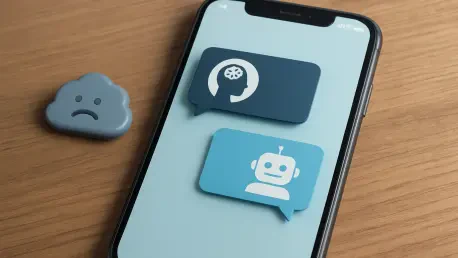
The rapid proliferation of generative artificial intelligence has fundamentally altered the landscape of mental healthcare by introducing digital companions that offer emotional support at a fraction of the cost of traditional therapy. While millions now turn to platforms like Woebot or custom

A late-night notification on a smartphone no longer signifies a text from a friend or a social media alert but often represents a deep, ongoing conversation with a sophisticated artificial intelligence programmed to listen. Adolescents across the globe are increasingly finding solace in digital