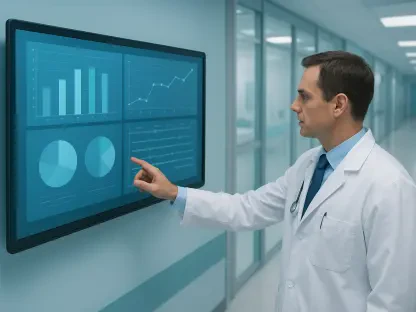

A vast majority of patients would prefer to manage their chronic health conditions through nutrition rather than relying solely on pharmaceutical solutions. This shift in patient sentiment has catalyzed a fundamental reassessment of how clinical environments handle metabolic data. Traditionally,
The silent hum of a fax machine once signaled the height of medical communication, but today that sound has been replaced by the invisible pulse of high-speed data streams rewriting the rules of patient care. While other global industries fully embraced the digital revolution decades ago, the

The synergy between AI-driven predictions and extensive clinical research marks a fundamental change in how the medical community approaches individualized patient care in oncology. This evolution transitioned the field from reactive treatments to proactive interventions based on massive datasets.
Specialized software providers are preparing to develop clinical overlays that sit on top of the core record system to provide niche insights for specific medical workflows. The United Kingdom’s National Health Service is currently undergoing a radical digital transformation spearheaded by the
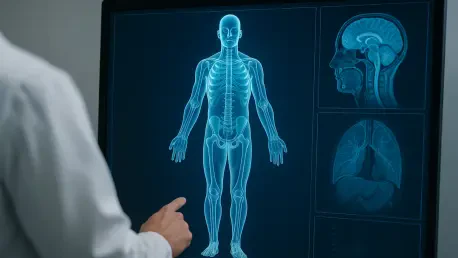
The sheer demand for high-tech health assessments is evidenced by a global waitlist of over 350,000 people eager to access Neko Health’s specialized diagnostic suite. This surge in interest reflects a broader cultural shift away from the reactive nature of traditional medicine toward a more

Smart facilities risk failure if they prioritize robotic delivery systems while treating physician recruitment as an secondary administrative afterthought. As healthcare networks invest billions into seamless digital architecture, the glaring reality remains that a hospital's throughput is