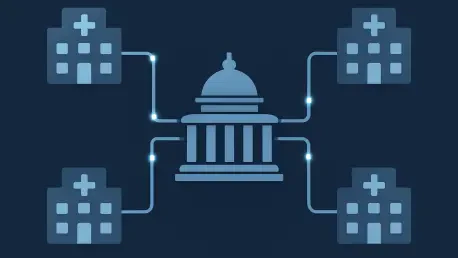
The shift from auditing health carrier records to maintaining a massive, pseudonymized database has prompted serious questions about the limits of executive administrative powers. This transition, orchestrated by the Office of Personnel Management, represents a fundamental change in how the Federal

Once health data is shared through a HIPAA legal exception, it typically loses its protected status and becomes vulnerable to secondary uses by government agencies. This quiet erosion of medical confidentiality occurs at the intersection of digital convenience and state oversight, where the most

Independent researchers have characterized the official government projections for Medicaid work requirements as a classic actuarial maneuver that manufactures favorable data when empirical evidence fails to support a desired political outcome. This assessment comes at a time when the federal

Eligible class members have until September 28, 2026, to file a formal claim for a portion of the $2.1 million fund established to address privacy concerns at Atrium Health. This legal resolution follows a dispute regarding the unauthorized transmission of sensitive patient information to major

Recent data from Japan reveals a significant expertise gap where eighty-six percent of hospitals have appointed security managers, yet only sixteen percent of those individuals hold specialized qualifications. This discrepancy highlights a perilous reality in modern healthcare where the
James Maitland is a leading voice in the intersection of healthcare policy and patient access, bringing years of experience in navigating the complex regulatory frameworks that govern American medicine. His work has often focused on how federal mandates trickle down to affect the most vulnerable