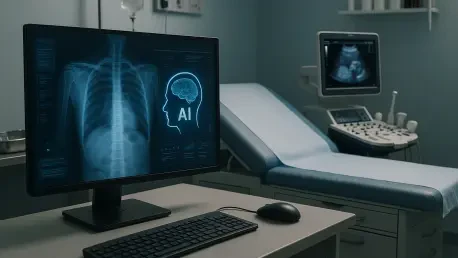

When a generic chatbot suggests an incorrect medication or diagnostic path, the lines of responsibility between the software provider, the clinician, and the hospital remain dangerously undefined. This uncertainty is the byproduct of shadow AI, where clinicians utilize consumer-grade tools that operate outside of formal institutional oversight. The rapid integration of these technologies into the daily clinical workspace reflects a significant shift in medical practice, where the pace of individual adoption has vastly outpaced the implementation of necessary governance structures. While these tools offer immediate utility for managing complex workloads, they lack the rigorous safety frameworks required to ensure patient welfare and data integrity. Consequently, a hidden layer of risk now permeates the healthcare system, threatening the established protocols of medical validation. Hospitals must now confront the reality that their workforce is already using AI, making the transition from a passive stance to proactive regulation an urgent institutional priority.
The phenomenon of shadow AI has emerged as a survival tactic for clinicians facing immense pressure. Unlike hospital-sanctioned software, these unauthorized tools do not undergo the standard vetting process, which includes testing for algorithmic bias and data privacy compliance. This creates a disconnect between the technological tools being used and the clinical standards that define modern healthcare delivery. Furthermore, the lack of transparency in how these models are utilized makes it difficult for administrators to monitor performance or correct errors before they lead to adverse outcomes. The challenge for modern hospitals lies in acknowledging the utility of these tools while simultaneously enforcing a rigorous regulatory framework that does not stifle innovation. The goal is to move from a culture of clandestine technological use toward one where innovation is both sanctioned and scrutinized. This evolution is necessary to maintain the integrity of clinical outcomes while addressing the administrative realities of the present healthcare landscape.
The Hidden Drivers of Unauthorized Technology Adoption
The primary catalyst for the surge in shadow AI is not a deliberate attempt to bypass institutional rules, but rather a visceral response to the staggering administrative burden and professional burnout characterizing modern medicine. Clinicians today spend a disproportionate amount of time on documentation and data entry, leaving less space for direct patient interaction. In this high-stress environment, free AI tools serve as an essential lifeline, helping to summarize patient notes, draft communications, and organize complex medical records. By 2026, the reliance on these resources has reached a tipping point, with a significant majority of frontline workers admitting to using unauthorized software at least once a month. This widespread adoption suggests that the current institutional resources are failing to meet the practical needs of a workforce under constant strain. Instead of viewing this trend as a disciplinary issue, hospitals must recognize it as a symptom of a deeper systemic failure in the current technological ecosystem.
Research indicates that the use of these tools is no longer a fringe activity limited to tech-savvy individuals; it has become a standard practice for nearly half of the medical workforce who use them weekly. Perhaps most alarming is the fact that a notable percentage of professionals now use these general-purpose tools to inform clinical decisions, such as shaping diagnoses or determining treatment pathways. This shift highlights a critical gap between the high-pressure demands of patient care and the availability of official, hospital-approved AI solutions that are integrated into the workflow. When the internal system lacks efficient solutions, clinicians naturally gravitate toward the most accessible external tools, regardless of their lack of clinical validation. This behavior underscores a fundamental necessity for hospitals to provide robust, sanctioned alternatives that can compete with the ease of use offered by consumer-grade chatbots. Without such alternatives, the “shadow” will continue to expand, further entrenching unauthorized practices within the hospital walls.
Operational Risks and the Validation Gap
When clinicians utilize generic AI systems, they essentially bypass the stringent validation processes that are the hallmark of medical safety. Unlike institutional software, which is tailored to specific clinical environments, shadow AI tools are rarely tested against local patient demographics or regional health trends. A diagnostic tool trained on a broad, non-specific dataset may fail to recognize the subtle nuances of a particular community, leading to inaccurate conclusions that could jeopardize patient health. Furthermore, these consumer-grade tools do not carry the “medical device” designation that would subject them to rigorous auditing for performance monitoring and algorithmic bias. The absence of this oversight creates a dangerous safety vacuum where technological errors can propagate undetected. Modern medicine relies on a system of checks and balances that ensures every piece of equipment and every protocol is optimized for the best possible outcome. Shadow AI breaks this chain of command, introducing a variable that is both unmonitored and unpredictable in a professional clinical setting.
The use of unauthorized AI further complicates the foundational concepts of accountability and professional responsibility that have long governed the medical field. In a scenario where an unvalidated algorithm provides an incorrect treatment recommendation, the ethical and legal boundaries between the practitioner, the hospital, and the software provider become dangerously blurred. This lack of clear liability poses a significant threat to the public trust, as patients may remain entirely unaware that their medical care is being influenced by algorithms that fall outside the hospital’s official sphere of ethics. Trust is the currency of the doctor-patient relationship, and it is built on the assurance that every decision is backed by institutional expertise and verified science. When clinicians resort to black-box systems without a clear framework for responsibility, they risk eroding the very foundation of their profession. Hospitals must therefore establish clear guidelines that define where human judgment ends and machine assistance begins, ensuring that every technological intervention is transparent and legally defensible.
Safeguarding Equity in a Multi-Tiered System
A pressing concern regarding the proliferation of shadow AI is its potential to create a two-tiered healthcare system that disproportionately affects vulnerable populations. Large, well-resourced academic medical centers are currently positioned to invest in and deploy governed, highly integrated AI systems that enhance care while maintaining safety. Conversely, smaller community and rural hospitals often lack the financial resources and technical infrastructure required to implement such sophisticated solutions. In the absence of institutional leadership, these underfunded facilities may find themselves reliant on a fragmented “shadow” system of care, where clinicians use whatever free tools are available to keep up with their workloads. This disparity threatens to widen the existing gap in health outcomes, as patients at wealthier institutions receive the benefits of validated, ethical AI, while others are subjected to the risks of unmonitored software. To prevent this technology from becoming a driver of inequality, there must be a concerted effort to provide scalable, affordable AI governance solutions for all healthcare settings.
Addressing this threat requires hospitals to move away from a strategy of prohibition, which has historically proven to be ineffective and often drives unauthorized behaviors further underground. Instead, the focus must shift toward creating multidisciplinary oversight committees that bring together clinicians, ethicists, IT specialists, and legal experts. These committees should be tasked with integrating AI into local clinical workflows in a way that prioritizes transparency and safety. By establishing shared safety systems, the medical community can ensure that artificial intelligence acts as a democratizing force rather than a source of further socioeconomic disparity. Effective governance involves not only the selection of the right tools but also the continuous monitoring of their performance to identify and correct any emerging biases. This proactive approach allows hospitals to lead the transition from improvisation to institutional governance, ensuring that the benefits of AI are distributed equitably across the entire patient population, regardless of the facility’s financial standing or geographic location.
Strategic Frameworks for Institutional Oversight
The path forward for medical artificial intelligence involves a transition from individual “resort-to” behaviors toward a model of innovation that is institutionally led and rigorously managed. This requires the development of a collective infrastructure for safety oversight, similar to the established systems for physician licensing and hospital accreditation. It is unrealistic and inefficient to expect every individual hospital to independently validate complex algorithms; instead, a unified approach to monitoring algorithmic bias and performance is necessary to protect the integrity of the national healthcare system. By 2026, the need for a national standards body or a shared repository of validated models has become apparent, providing hospitals with a roadmap for safe implementation. Such a framework would allow facilities of all sizes to tap into a central well of knowledge, reducing the burden of local validation while maintaining high standards of care. This collective strategy ensures that the technological evolution of medicine is grounded in shared values of safety, reliability, and professional excellence.
The industry recognized that maintaining the fiduciary relationship between the clinician and the patient required a shift toward absolute transparency regarding the use of advanced algorithms. This evolution demanded that government and industry leaders provided the funding and regulatory frameworks necessary for all hospitals to adopt safe and verified practices. The focus shifted toward empowering local institutions to take the lead in technological adoption, transforming AI from a hidden risk into a transparent, rigorously governed extension of medical judgment. Professional candor became a cornerstone of this era, ensuring that patients were informed of the role technology played in their diagnostic and treatment paths. The healthcare industry successfully transitioned from the risks of the shadows into a future where innovation was balanced by accountability. This strategic transformation allowed hospitals to reclaim control over their clinical environment, ensuring that the integration of artificial intelligence ultimately served to reinforce the core values of medicine rather than undermining the integrity of the patient experience.