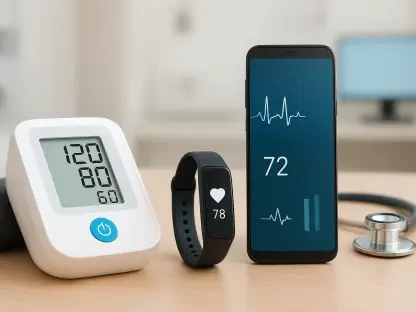
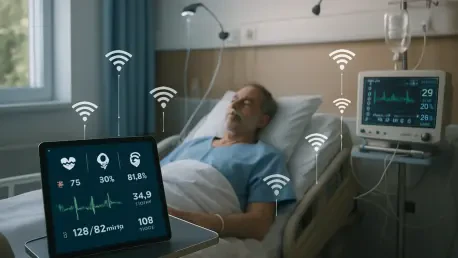
The landscape of modern medicine is undergoing a seismic shift, moving away from the traditional model of episodic, reactive care centered in clinics and hospitals toward a more integrated and continuous approach. At the heart of this transformation is the Internet of Things (IoT), a network of
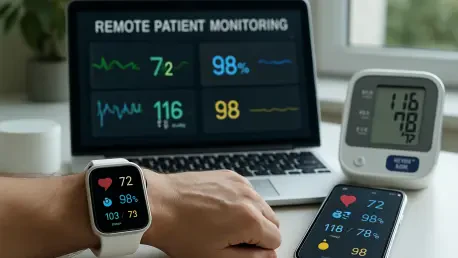
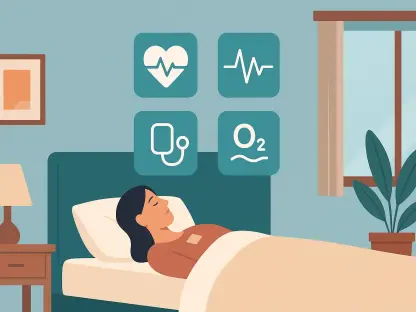
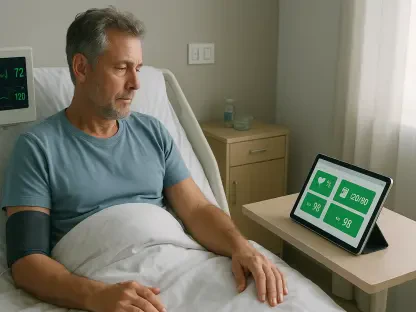
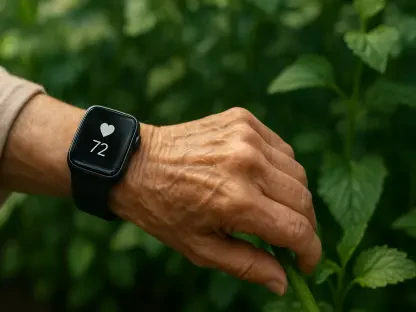
Imagine a world where a doctor can predict a patient’s heart issue before it becomes a crisis, all from miles away, thanks to a small wearable device and a smart algorithm. This isn’t science fiction but the reality of AI-driven remote patient monitoring (RPM), a technology revolutionizing

Imagine a densely populated Asian city where an unknown pathogen begins to spread silently, threatening to spiral into a full-blown outbreak before health officials even grasp its origins. This scenario, all too common in a world shaped by rapid travel and climate shifts, underscores the urgent

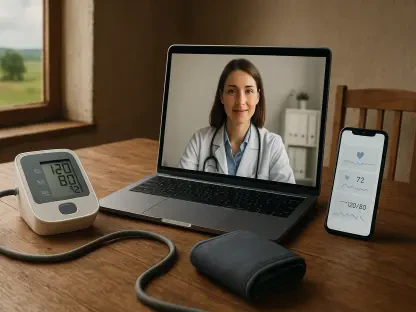
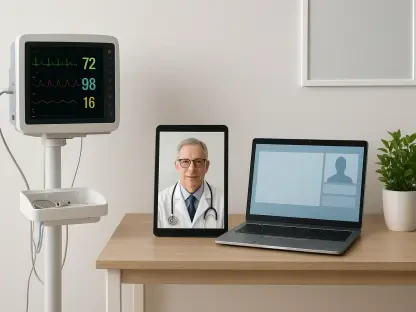
Imagine a world where a patient in a remote rural area can consult with a specialist hundreds of miles away without leaving home, or where a busy urban professional can get medical advice during a lunch break. This isn’t a dream—it’s the reality of telehealth, a game-changer in healthcare delivery

Imagine a healthcare system where every clinician has access to instant, tailored guidance rooted in local standards, transforming complex decisions into confident actions with the click of a button. This vision is becoming reality in Canada, thanks to a groundbreaking advancement in healthcare

Imagine a world where a patient in a remote village consults a top specialist halfway across the globe through a smartphone, or where real-time health data prevents a medical emergency before it even starts. This is the promise of eHealth 2.0, the next frontier in digital healthcare that’s