
The corridors of modern academia are no longer merely silent halls for the consumption of established facts but have transformed into vibrant hubs where the next generation of professionals actively constructs the future through rigorous investigation. At the heart of this transformation is the
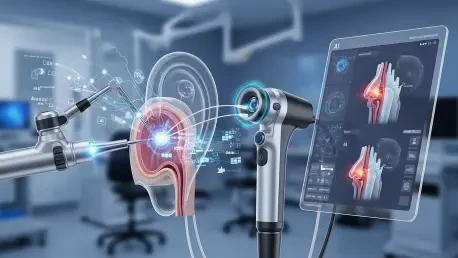
Relentless patient volumes, tighter operating room timelines, and rising expectations for safer, faster care have pushed ear, nose, and throat practice into a technology-first chapter that links diagnostics and treatment more tightly than ever before. Momentum has coalesced around AI-augmented

Relentless increases in reported syphilis cases, sharper attention to congenital transmission, and a pivot toward faster care have pushed syphilis immunoassay diagnostics from a niche focus to a strategic priority across health systems, retail channels, and digital care networks worldwide. Routine

Retinal care faced a bottleneck where life-altering decisions hinged on tools that flattened inherently three-dimensional anatomy into slices and guessed across gaps clinicians could not see in time. That tension set the stage for OCTCube-M, a three-dimensional, multi-modal foundation model that

Hallway waits, full EDs, and unanswered pages signal a deeper issue: visibility without coordinated action slows care when minutes matter, and this guide shows how to turn real-time awareness into reliable, enterprise-wide decisions that lift throughput, safety, and experience. It defines a

Outpatient backlogs no longer hinge on appointment volume alone; the chokepoint now is synchronizing the right clinician, at the right site, at the right minute as demand whipsaws across networks and schedules fracture under cancellations, no-shows, and late add-ons. That operational gap has become