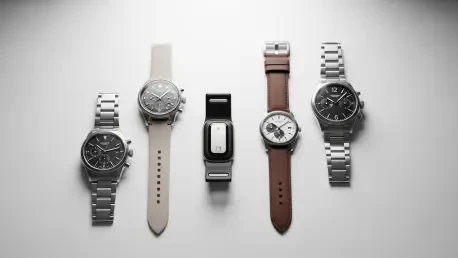
The enduring appeal of a mechanical timepiece often clashes with the modern necessity of biological monitoring, forcing enthusiasts to choose between a masterpiece of gears and a plastic fitness tracker. For years, the horological community sought a middle ground that did not involve wearing a
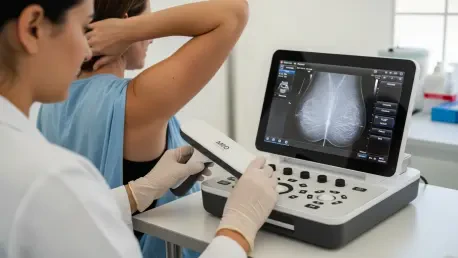
Breast cancer remains a formidable challenge because many aggressive tumors, known as interval cancers, develop rapidly between annual mammograms and often evade detection until they reach advanced stages. Traditional diagnostic workflows rely heavily on centralized hospital infrastructure, which

The shift from simple calendar-based tracking to sophisticated medical-grade health ecosystems has fundamentally redefined how expectant parents navigate the complex biological journey of gestation in 2026. This evolution represents a departure from the static interfaces of the past, replacing them

The ubiquity of smart wearables and health-tracking applications has transformed the modern gym environment into a digital laboratory where every movement is measured and scrutinized. From the sophisticated algorithms that predict recovery time to the subtle haptic feedback of a wristband signaling

Healthcare providers across the United States are currently grappling with a significant financial challenge as national medical claim denial rates have climbed to a staggering average of nine percent. This shift represents a tightening of payer policies and an increased reliance on automated

The rapid evolution of genomic sequencing and personalized medicine has created a complex landscape where oncologists must navigate thousands of potential treatment combinations for every individual patient diagnosis. To address this mounting challenge, NYU Langone Health and Dana-Farber Cancer