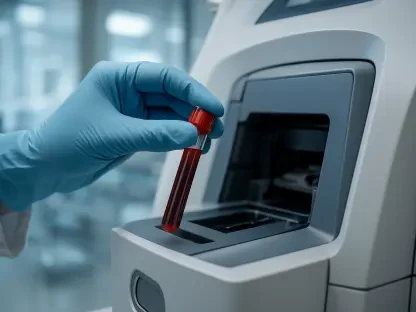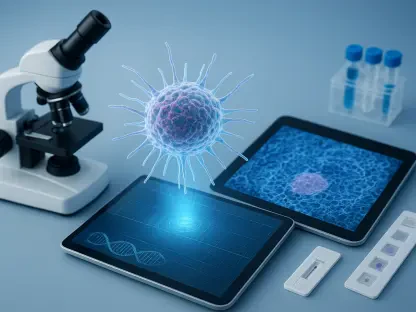

For decades, the medical community has struggled with the reality that diagnosing endometriosis, a painful and debilitating condition, still depends on invasive surgery rather than non-invasive screening methods. This reliance on laparoscopy has left millions of women worldwide in a state of
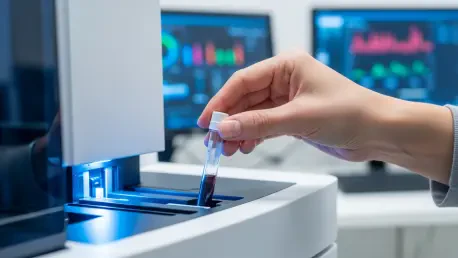
For decades, the standard medical protocol for identifying endometriosis has required patients to undergo invasive laparoscopic surgery just to confirm a condition that affects nearly ten percent of the global female population during their reproductive years. This diagnostic bottleneck has

The global healthcare landscape is currently witnessing a seismic shift as medical institutions pivot from reactive treatment protocols toward a comprehensive model of proactive, technology-driven early detection. In India, where late-stage cancer diagnoses have historically contributed to high

The diagnostic landscape for Lyme disease has long been marred by a frustrating lack of precision, leaving thousands of patients caught between debilitating symptoms and inconclusive laboratory results. For decades, medical professionals have relied on testing methods that often fail to catch the

Colorectal cancer remains a significant public health challenge despite being largely preventable through early detection, yet many eligible adults continue to bypass traditional screening methods due to the invasive nature of the procedures involved. The American Cancer Society has responded to

The transformation of the oncology market from a reliance on visual pathology to the high-resolution world of molecular diagnostics represents one of the most significant shifts in medical history to date. By moving away from the traditional method of identifying tumors based solely on their