
James Maitland is a distinguished expert in the integration of medical technology and pharmaceutical regulatory systems, with a specialized focus on how IoT and robotics can optimize healthcare delivery. With a deep passion for how data transparency can improve patient care, he has become a leading voice on the impact of market consolidation in the pharmaceutical supply chain. This conversation explores the Federal Trade Commission’s recent legal maneuvers against the nation’s largest pharmacy benefit managers and what these settlements reveal about the future of medication affordability in America.
With the “Big Three” pharmacy benefit managers currently managing approximately 80% of U.S. prescriptions, how do you interpret the FTC’s decision to pursue a settlement with UnitedHealth regarding insulin costs?
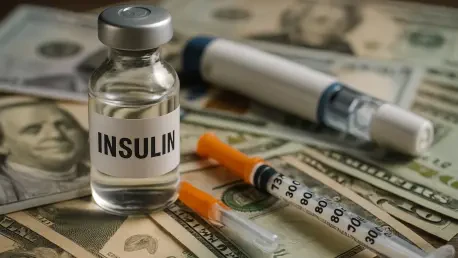
This proposed settlement is a seismic shift in how we approach the dominance of the nation’s largest drug middlemen. By pausing the case against UnitedHealth’s Optum Rx and its group purchasing organization, Emisar, the FTC is effectively dismantling a system that allegedly prioritized corporate rebates over the health of diabetic patients. For years, the industry felt like an impenetrable fortress where steering patients toward high-cost medications was the standard protocol for padding bottom lines. This move suggests that the regulatory tide has finally turned, forcing these giants to reconcile their business models with the actual needs of the people they serve. It is a necessary disruption that forces these companies to rethink their role in the broader healthcare ecosystem.
Looking at the precedent set by other settlements this year, what specific operational changes must these organizations adopt to eliminate the preference for medications with high list prices?
The most critical change involves “delinking” the compensation of these pharmacy benefit managers from the list prices of the drugs they negotiate. In the previous model, the incentive structure was fundamentally broken because the higher the drug’s price, the more money these companies could potentially scoop up in rebates, which sidelined lower-cost generics. To satisfy these new legal requirements, they must transition toward flat-fee or service-based models that remove the lure of expensive medications and instead prioritize clinical efficacy. It requires a total overhaul of their internal logic, moving from a culture of hidden spreads to one where value is defined by verifiable patient savings. This transition will be a significant adjustment for their traditional profit centers, but it is the only way to restore trust in the pharmaceutical supply chain.
What is your forecast for the future of pharmacy benefit managers?
I forecast that we are entering an era of radical visibility where these benefit managers will be forced to operate more like transparent utilities than private gatekeepers. As the settlements with UnitedHealth, CVS, and Cigna become the new industry standard, the opaque “black box” of drug pricing will finally be opened for public and regulatory inspection. We will see the rise of automated tracking and data-driven auditing tools that provide a real-time view of every cent moving through the prescription process to prevent uncompetitive practices. While these three companies will likely maintain their 80% market share due to sheer scale, their ability to manipulate prices behind the scenes will be permanently curtailed by federal oversight. Ultimately, the pressure from the FTC will ensure that the prescriptions they handle are managed with a strict focus on affordability rather than rebate extraction.