
Managing the health benefits for millions of federal employees has long been an exercise in high-level financial oversight rather than granular medical management. For decades, the Office of Personnel Management (OPM) accepted the broad brushstrokes of summary reports provided by insurance carriers, essentially writing massive checks based on aggregated figures that lacked specific detail. This passive stance is now undergoing a radical transformation as the agency pivots toward a sophisticated, data-centric strategy designed to rein in escalating medical inflation and ensure the fiscal longevity of the Federal Employees Health Benefits (FEHB) program. By transitioning to a model that requires itemized, claim-level data, the government is no longer just a payer but an active participant in the healthcare market. This shift represents a fundamental change in how public funds are utilized, moving away from opaque billing toward a transparent, accountable framework that empowers federal administrators to challenge costs.
Strengthening Oversight Through Data Transparency
Identifying Cost Drivers: The Shift to Itemized Claims
OPM’s primary goal is to gain a sharper understanding of what actually drives medical inflation and spending within its massive beneficiary pool. For years, the agency relied on high-level summaries provided by insurance carriers, but this limited view made it difficult to pinpoint inefficiencies or specific areas of overspending. By ditching summary reports in favor of itemized claims, the agency is taking a more hands-on approach to managing the coverage used by millions of participants. This granular level of detail allows for a comprehensive audit of every procedure and prescription, revealing patterns that were previously hidden in the noise of aggregated data. Such insights are crucial for identifying which services are yielding the best health outcomes relative to their cost. Consequently, the government can now demand higher standards from its partners, ensuring that the billions of dollars allocated to healthcare are spent with surgical precision rather than broad estimates.
Regulating Pharmacy Benefit Managers: Managing Drug Rebates
A major focus of this overhaul is pharmaceutical transparency, particularly concerning the opaque world of drug rebates that often complicates healthcare pricing. Under a new proposal, insurance carriers must share detailed information about manufacturer rebates handled by Pharmacy Benefit Managers (PBMs), which have historically operated with little oversight. OPM wants to ensure these savings are actually lowering program costs rather than being retained by intermediaries, providing a clearer picture of the true cost of prescription drugs for the federal government. This move addresses the rising cost of specialty medications and ensures that discounts negotiated in the name of federal employees actually benefit the taxpayers and the enrollees themselves. By peeling back the layers of pharmaceutical contracts, OPM aims to eliminate hidden fees and incentivize more cost-effective prescribing habits. This transparency is expected to create significant downward pressure on premiums by capturing every cent of available savings.
Combating Waste and Fraud: Real-Time Analytical Auditing
Beyond pharmaceutical costs, the transition to itemized data serves as a powerful deterrent against fraudulent activities that drain resources from the federal system. With access to specific claim details, OPM and its oversight partners can implement more rigorous automated screening tools to detect billing anomalies, such as duplicate charges or services that were never rendered. This proactive stance shift moves the agency from a “pay-and-chase” model to one where integrity is built into the data intake process itself. By identifying these red flags in real-time, the government can prevent the loss of millions of dollars that would otherwise be lost to administrative errors or intentional malfeasance. The integration of advanced analytics into this workflow ensures that every dollar spent is tied to a legitimate and necessary medical service, protecting the overall health of the fund. This systematic approach to fraud detection not only saves money but also reinforces public trust in the administration of government benefits.
Strategic Premium Negotiations: Empowering Federal Bargaining Power
This wealth of data also significantly strengthens OPM’s position when negotiating annual premiums with major health insurance providers. In the past, carriers held an informational advantage, presenting data in formats that suited their own pricing models during the negotiation cycle. Now, by possessing the same granular data as the insurers, federal negotiators can challenge assumptions and demand lower premiums based on empirical evidence of usage and cost trends. This leveling of the playing field ensures that the government is no longer negotiating in the dark, but is instead making decisions based on the actual health needs and claims history of the federal workforce. Such strategic leverage is vital for maintaining the affordability of the program in a volatile economic environment where healthcare costs continue to outpace general inflation. Ultimately, this transparency fosters a more competitive environment among carriers, as they are forced to justify their pricing through clear and verifiable data.
Modernizing the Federal Health Data Infrastructure
Establishing OPM/Central-15: A Cloud-Native Architecture
To support this massive intake of new information, OPM has relaunched its central database as OPM/Central-15, Health Benefits Claims and Cost Records. This technical upgrade replaces the older, fragmented data warehouse with a system built to handle the complexities of modern medical billing and high-volume data feeds from various sources. It represents a significant legal and technical step forward in how the government stores and processes sensitive healthcare information for its diverse workforce. The new architecture is designed for scalability, allowing it to process millions of transactions per day without the latency issues that plagued previous iterations. By utilizing cloud-native technologies and modernized data schemas, OPM can now provide a more unified view of health spending across different regions and plan types. This technological foundation is essential for the advanced analytics required to extract meaningful insights from the sheer volume of claims data being collected.
Integrating Postal Health Benefits: Unifying Program Management
This revamped system brings several crucial changes, most notably the integration of the new Postal Service Health Benefits program into a unified data environment. By merging the data streams for both traditional federal employees and postal workers, OPM can achieve better economies of scale and more consistent oversight across all its health initiatives. The database now tracks specific details such as National Drug Codes and precise dates of service, allowing for more rigorous auditing and better coordination of benefits between various plans. This consolidation eliminates data silos that previously made it difficult to compare performance between different health carriers or regions. It also streamlines the reporting process for carriers, as they now have a single, standardized portal for submitting their itemized claims data. The result is a more accurate and comprehensive repository of health information that serves as a single source of truth for federal health benefit management.
Ensuring Patient Privacy: Implementing Two-Layer Security Shields
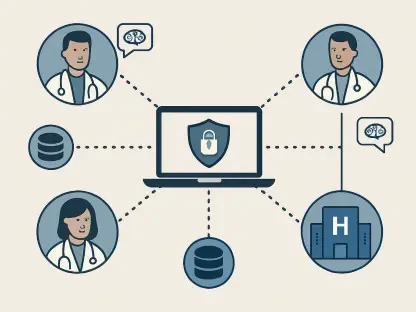
To protect sensitive medical records, OPM utilizes a sophisticated two-layer security framework that separates identifiable personal data from analytical workspaces. While a restricted environment holds names and Social Security numbers for verification purposes, most daily analysis is performed using pseudonymized data that masks individual identities. This process replaces personal identifiers with unique codes to reduce the risk of a breach while still allowing researchers to track longitudinal health trends and costs. This separation ensures that even if an unauthorized party gained access to the analytical layer, the data would remain largely useless without the corresponding decryption keys held in the secure vault. Such a robust defense-in-depth strategy is necessary to maintain the privacy of the eight million people covered by these programs while still enabling the agency to fulfill its mission of data-driven cost control and administrative excellence.
Driving Long-Term Sustainability: Value-Based Care Implementation
As the initial phase of the storage system reached full operation, the requirement for carriers to submit expanded data sets moved toward final implementation following thorough regulatory reviews. This movement signaled OPM’s successful transformation into an active purchaser of healthcare, using its massive bargaining power to stabilize a complex and expensive benefits system. The agency carefully monitored the integration process to ensure that the influx of data translated into actionable savings and improved service delivery for all federal enrollees. Strategic adjustments were made to the analytical models to better account for shifting healthcare trends and the emergence of new medical technologies. By establishing this high-tech foundation, the government provided a blueprint for how large-scale benefit programs could navigate the challenges of rising costs through transparency and technical innovation. Ultimately, these measures secured a more sustainable financial path, ensuring that federal health benefits remained a robust and reliable pillar of public service compensation.