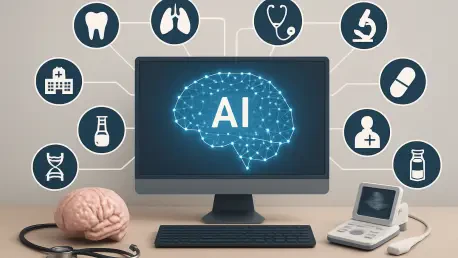

The rapid integration of sophisticated computational models into the foundational infrastructure of multi-specialty medical centers has effectively redefined the parameters of contemporary patient care and clinical outcomes. This transition represents a fundamental shift away from isolated diagnostic practices toward a more unified, data-driven methodology that prioritizes both speed and precision. In the modern hospital environment, the arrival of digital intelligence has catalyzed a move toward smart institutions where every piece of information—from a heart rate monitor to a complex genomic sequence—is utilized to improve life-saving interventions. This change is not merely an incremental technological upgrade but rather a comprehensive reimagining of how diverse medical fields collaborate under one roof. By blending high-speed processing with the nuanced expertise of human practitioners, healthcare systems are now navigating a period of unprecedented efficiency and reliability for patients. This balance ensures that the human side of medicine remains the priority.
Clinical Efficiency: Data Sorting and Management
Large-scale medical facilities often face significant logistical hurdles when attempting to manage the immense volume of diagnostic data generated across various specialized departments. Advanced algorithms now alleviate this burden by performing the intensive labor of categorizing laboratory results, historical records, and high-resolution imaging files to identify critical health trends. By automating these organizational workflows, these systems effectively eliminate the traditional bottlenecks that frequently delayed treatment decisions in previous years. Clinicians no longer spend valuable time searching through fragmented digital folders or physical charts; instead, they receive curated, high-priority information exactly when it is most needed during the decision-making process. This streamlined approach ensures that the medical staff can dedicate more energy to direct patient interaction while relying on a digital backbone that maintains data integrity and accessibility across the board.
Clinical Efficiency: Departmental Synergy and Coordination
Coordination serves as the cornerstone of effective treatment in multi-specialty environments where patients often require input from several different medical experts simultaneously. Digital communication platforms powered by predictive analytics now act as a seamless bridge between surgeons, pathologists, and primary care physicians to ensure a cohesive strategy. These tools facilitate the instantaneous sharing of clinical insights, allowing a multidisciplinary team to view a comprehensive digital twin of the patient’s current health status. Such a high level of organizational transparency reduces the inherent risks associated with miscommunication or siloed information, making the entire diagnostic journey more fluid and less intimidating for the individual seeking care. By aligning the goals of diverse specialists through a single technological interface, hospitals have achieved a synchronized workflow that significantly lowers the probability of medical errors.
Precision Diagnostics: Machine Learning in Imaging
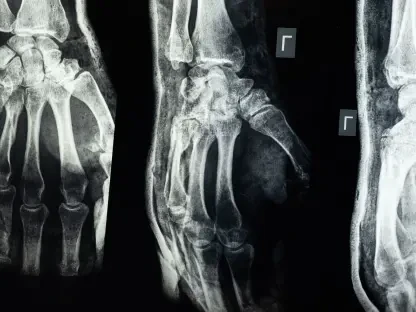
Machine learning algorithms have emerged as a vital asset in the pursuit of detecting life-threatening conditions during their most treatable, earliest developmental stages. Current diagnostic software is trained to analyze complex radiological images, such as magnetic resonance imaging and computerized tomography scans, with a level of granularity that exceeds human capability. These systems can pinpoint microscopic abnormalities or subtle textural changes in tissue that might otherwise escape the notice of even the most experienced radiologists during a busy shift. By providing this detailed level of actionable intelligence, the technology serves as a proactive safety net that empowers physicians to reach definitive conclusions with greater confidence and speed. The integration of these tools into standard imaging protocols has not only improved the accuracy of initial assessments but has also paved the way for earlier interventions that fundamentally alter the patient’s prognosis.
Precision Diagnostics: Consistency and Expert Oversight
One of the most significant advantages of utilizing computational intelligence in a diagnostic setting is the unwavering consistency it offers throughout the clinical day. Unlike human practitioners, digital systems do not experience the fatigue, stress, or cognitive distractions that can occasionally lead to oversights during repetitive or high-volume tasks. This reliability provides a persistent second pair of eyes that monitors data streams around the clock, ensuring that no critical detail is overlooked regardless of the hour. While the software identifies specific areas of concern and highlights potential risks, the final diagnostic authority remains firmly in the hands of the medical professional. This hybrid model successfully combines the tireless processing power of modern machines with the empathetic judgment and deep contextual understanding of a seasoned clinician. This partnership ensures that every finding is scrutinized through both a technical and a human lens before a final diagnosis.
Operational Excellence: Administrative Streamlining
Technological advancements are also fundamentally altering the administrative interactions that define a patient’s journey from their initial arrival to their final discharge. Routine tasks such as appointment scheduling, insurance verification, and front-desk registration have been overhauled through intuitive automation to minimize human error and physical paperwork. By reducing the time spent in waiting rooms and simplifying the often-confusing bureaucratic requirements of modern medicine, hospitals can significantly lower the anxiety levels of those in their care. These streamlined processes allow the administrative staff to focus on providing personalized assistance to patients who may have complex needs or unique questions. The result is a more professional and welcoming atmosphere that treats the patient’s time with the same respect as their health. This operational shift demonstrates that high-tech interventions are just as valuable for improving the human experience as they are for clinical outcomes.
Operational Excellence: Resource and Recovery Tracking
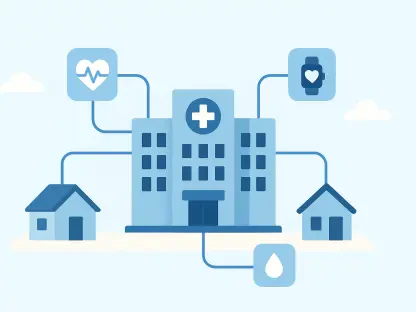
Beyond the front desk, intelligent resource management systems help hospital administrators optimize the allocation of critical assets like bed space and nursing staff. Predictive tools can analyze patient flow patterns to anticipate peak times, ensuring that the facility remains adequately prepared for surges in admissions without overextending its workforce. Furthermore, the use of remote monitoring technology has extended the reach of the hospital beyond its physical walls, allowing for continuous oversight after a patient has returned home. These smart sensors track vital signs and recovery milestones in real-time, alerting the care team immediately if any physiological parameters deviate from the expected range. This capability ensures that post-operative recovery is monitored with the same rigor as in-patient care, reducing the likelihood of readmission and giving patients the freedom to heal in a more comfortable, familiar environment while maintaining a direct link to their doctors.
Surgical Innovation: Robotic Precision and Outcomes
Robotic-assisted surgery represents perhaps the most visible and impressive manifestation of how technology is expanding the boundaries of what is possible within an operating room. These sophisticated systems provide surgeons with enhanced three-dimensional visualization and a level of mechanical steadiness that far surpasses the natural limitations of the human hand. By utilizing miniaturized instruments and high-definition cameras, medical teams can perform intricate procedures through much smaller incisions than traditional open surgery requires. This minimally invasive approach leads to significantly less physical trauma for the patient, which typically translates into reduced pain levels and a faster return to daily activities. The precision offered by these tools allows for the preservation of surrounding healthy tissue, proving that the synergy between human expertise and mechanical accuracy is a major victory for both the practitioner and the patient in complex surgical scenarios.
Surgical Innovation: The Shift Toward Precision Medicine
The ongoing convergence of biological data and artificial intelligence is rapidly moving the healthcare industry away from generic treatments and toward the era of precision medicine. By analyzing an individual’s specific genetic markers, lifestyle factors, and long-term medical history, doctors can now design personalized care plans that are optimized for the patient’s unique physiology. This targeted approach ensures that medications and therapies are selected based on their likely effectiveness for that specific person, rather than relying on broad population averages. Such a shift in strategy marks a significant departure from the traditional one-size-fits-all mentality, offering a level of safety and reliability that was previously unattainable in multi-specialty settings. As these personalized protocols become the standard of care, the focus of medicine will continue to shift from reactive treatment toward proactive, individualized wellness strategies that prevent disease.
Strategic Implementation: Ethical Data Governance
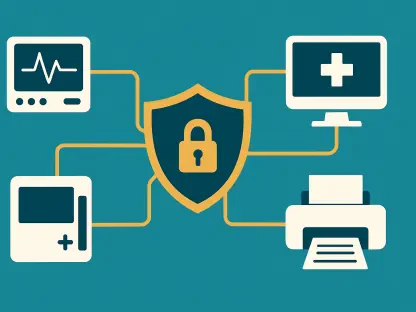
The widespread adoption of intelligent systems in multi-specialty hospitals provided a clear roadmap for organizations that sought to bridge the gap between technical capability and compassionate care. Stakeholders realized that successful implementation required a commitment to ongoing staff training and the establishment of robust ethical frameworks to govern data usage. It became evident that the most effective hospitals were those that viewed technology as an extension of the physician’s intuition rather than a replacement for it. To maintain this momentum, healthcare leaders focused on creating interoperable systems that allowed for seamless data exchange across different medical networks. They prioritized the security of patient information while expanding the reach of predictive analytics to include preventative wellness programs. These efforts ensured that the transition to digital-first healthcare remained centered on the long-term well-being of every patient within the system.
Strategic Implementation: Infrastructure and Future Scalability
The evolution of these smart facilities also emphasized the importance of high-speed connectivity and edge computing to handle the massive influx of diagnostic data. Medical professionals transitioned toward a model where real-time analysis became a standard component of every consultation, effectively eliminating the wait times that once plagued multi-specialty care. Furthermore, the integration of advanced automation allowed for a more equitable distribution of medical expertise, reaching underserved populations through tele-surgical and remote diagnostic capabilities. By focusing on these infrastructure developments, the healthcare industry successfully mitigated the risks of professional burnout and improved the overall quality of life for its workforce. This holistic strategy ensured that the technological transition was not merely a tool for hospital efficiency, but a catalyst for a more sustainable and patient-centered future. These efforts solidified a foundation where human care and digital precision existed in harmony.