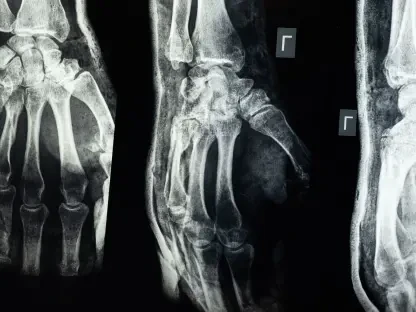

The sudden surge in demand for specialized medical imaging services across Virginia has created a critical gap in the healthcare workforce, prompting educational institutions to rethink traditional vocational training models. Brightpoint Community College recently reached a pivotal milestone by graduating its inaugural class of radiologic technologists, a group of twelve dedicated individuals who have navigated a rigorous two-year curriculum. This achievement comes at a time when the healthcare sector is grappling with a severe shortage of qualified personnel, particularly in the field of medical imaging. According to regional health officials, radiologic technology now ranks among the top five most in-demand professions throughout the Commonwealth. This trend is largely driven by the rapid expansion of freestanding emergency departments and ambulatory surgery centers, which require a steady stream of skilled technicians to operate advanced diagnostic equipment and ensure patient safety.
Collaborative Infrastructure: The Foundation of Training
Strategic Partnerships and Facilities
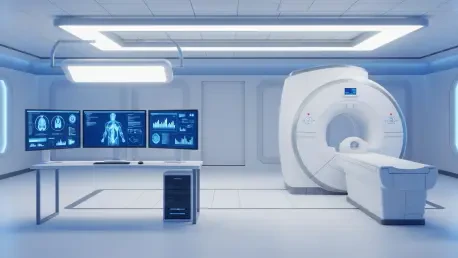
The program’s inception was the result of a strategic multi-million dollar partnership between Brightpoint and HCA Virginia, an initiative that underscores the importance of private-public cooperation in addressing systemic labor issues. HCA Virginia invested three million dollars to establish Richmond’s first community college radiology program, directly responding to the urgent need for local talent. Rather than building a new facility from the ground up, the partners repurposed an existing medical office located on the Chippenham Hospital campus. This facility was transformed into a state-of-the-art learning hub, featuring modern classrooms and laboratories that mirror real-world medical environments. Under the leadership of Program Director Stacey Shell, the curriculum was designed to bridge the gap between classroom theory and clinical application. Students engaged in deep dives into human anatomy and the intricate physics of X-ray technology, ensuring they possessed a solid foundation before entering the field.
Clinical Immersion and Field Experience
Beyond the classroom, the educational journey for these twelve graduates involved extensive clinical rotations that tested their technical skills and adaptability. These rotations were strategically spread across a broad geographical footprint, ranging from Fredericksburg in the north to Colonial Heights in the south. This wide-ranging exposure allowed students to experience a variety of medical settings, including high-pressure trauma centers, smaller rural hospitals, and specialized outpatient imaging clinics. Such diversity in training ensures that graduates are not only proficient in technical procedures but are also prepared for the unique operational cultures of different healthcare facilities. By rotating through multiple sites, students developed a comprehensive understanding of the patient care continuum, learning how to handle everything from routine screenings to emergency diagnostic needs. This immersive approach effectively shortened the learning curve typically associated with new hires in the medical imaging department.
Economic Impact: Sustaining the Healthcare Workforce
Local Retention and Career Pathing
A central objective of this collaborative initiative is the cultivation of a localized workforce that is committed to remaining within the Central Virginia region. Early outcomes from the inaugural cohort are promising, as eleven out of the twelve graduates have already expressed their intention to stay and practice in the local community. This high retention rate is a significant victory for regional hospitals that have historically struggled to recruit and maintain imaging staff. One graduate, Lexi Church, highlighted the intensity of the program, noting that while the training was exceptionally demanding, the professional rewards and career stability made the effort worthwhile. Her transition into a full-time role at Parham Doctors’ Hospital serves as a testament to the program’s ability to create immediate pathways from education to employment. By providing a clear and supported trajectory, the college and its healthcare partners are successfully incentivizing young professionals to build their careers within the state’s healthcare infrastructure.
Future Strategic Recommendations
The success of this inaugural class demonstrated that integrated vocational models could effectively stabilize the regional healthcare pipeline through targeted investment and clinical immersion. Stakeholders recognized that the next logical step involved expanding these programs to include other high-demand specialties, such as sonography or nuclear medicine, to further fortify the medical workforce. Healthcare administrators began prioritizing long-term partnerships with community colleges as a primary strategy for talent acquisition, rather than relying solely on traditional recruiting methods. It became evident that investing in localized training facilities reduced onboarding costs and improved long-term employee engagement. Furthermore, educators identified the need for continuous professional development tracks that allowed these new technologists to advance into management or specialized roles. This proactive approach ensured that the local healthcare system remained resilient against future fluctuations in the labor market. By synthesizing academic rigor with practical experience, the community effectively established a sustainable model for medical education.