
A strategic alliance between Vedanta Aluminium and Tata 1mg is reshaping the healthcare landscape of Lanjigarh by introducing a continuous telemedicine framework for underserved communities. The initiative focuses on the remote tribal and rural populations who have historically struggled with geographical and financial constraints when seeking quality healthcare. By leveraging cutting-edge digital communication tools, the program effectively removes the necessity for residents to undertake exhausting and expensive long-distance travel to reach urban medical centers for expert advice. This 24/7 service ensures that medical assistance is no longer a luxury dictated by one’s proximity to a city but a standard right accessible from the heart of the village. The partnership represents a significant shift toward digital health equity, addressing the immediate needs of those living in some of India’s most challenging terrains. This effort aims to create a robust support system where specialized medical knowledge is just a phone call or a video link away, regardless of the hour.
Digital Infrastructure: Bridging the Distance with Technology
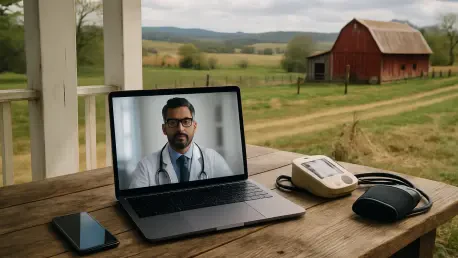
The architectural backbone of this healthcare transformation revolves around a specialized telemedicine facility located at the Vedanta Lanjigarh Hospital. This dedicated center is specifically designed to provide assisted consultations, catering to individuals who may lack the digital literacy or the hardware required to navigate complex mobile applications independently. Trained medical staff at the facility facilitate the interaction between the patient and the remote specialist, ensuring that the diagnosis is accurate and the patient feels supported throughout the process. This physical presence at the local level acts as a trust-building mechanism, merging the familiarity of a community clinic with the high-tech capabilities of modern urban hospitals. By providing this hybrid access point, the project ensures that the benefits of digital health are not restricted only to those with advanced technological skills. This structure provides a blueprint for how large-scale industrial players can integrate technology into traditional rural settings effectively.
Complementing the physical infrastructure is the sophisticated Tata 1mg mobile application, which serves as a gateway to a vast network of medical expertise. Through this digital platform, beneficiaries gain free access to audio and video consultations with a diverse group of approximately thirty medical specialists and super-specialists. This network covers a wide array of medical disciplines, ensuring that complex conditions can be evaluated by experts who were previously out of reach for most rural inhabitants. The platform’s interface is optimized for reliability even in areas with varying internet connectivity, making it a dependable tool for emergency and routine medical advice alike. This dual-pronged strategy—combining assisted facility-based care with direct-to-consumer mobile access—guarantees that even the most isolated household can secure a timely diagnosis. The integration of such comprehensive specialist access into the daily lives of these communities represents a fundamental shift in how public health is managed across remote corridors.
Regional Impact: Fostering Sustainable Development in Odisha
The implementation of this telemedicine program is poised to create a profound demographic impact, reaching over 70,000 individuals residing in nearly 70 remote villages throughout the Kalahandi district. This scale of outreach addresses a critical gap in the state’s public health system, particularly in regions where the ratio of specialists to patients has traditionally been well below national averages. Dr. Mukesh Mahaling, Odisha’s Minister of Health and Family Welfare, recognized the facility as a pivotal step toward inclusive development, noting that such innovations are essential for improving health outcomes in the state’s most vulnerable populations. By prioritizing these remote clusters, the initiative helps stabilize the regional health landscape and reduces the burden on overcrowded district hospitals. The success of this model is seen as a benchmark for public-private partnerships, demonstrating how corporate resources can be effectively channeled to solve systemic societal challenges. Such extensive coverage highlights the potential for technology to act as a leveling force in societal welfare.
From a corporate perspective, the leadership at Vedanta Alumina Business prioritized this service as the foundation of a broader commitment to last-mile healthcare delivery. This telemedicine rollout existed within a comprehensive social developmental framework that saw an investment exceeding ₹500 crore across various initiatives in Odisha, covering education, livelihoods, and health. These efforts collectively benefitted more than one million people, suggesting that health interventions were most effective when integrated into a wider ecosystem of social support. Moving forward, the focus shifted toward ensuring the long-term sustainability of these digital services and expanding the range of available medical specialties to include mental health and chronic disease management. Stakeholders recognized that the integration of remote Odisha into the socioeconomic mainstream required consistent technological upgrades and continuous community engagement. This collaboration successfully demonstrated that modernized, accessible public health services could bridge the gap between rural life and urban standards.