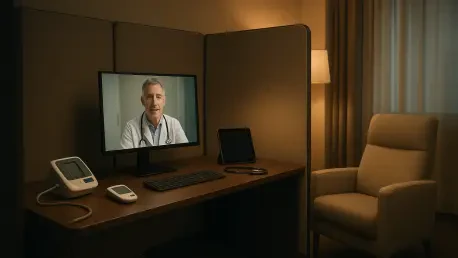

The transition from a standard office space to a state-of-the-art medical room highlights the center’s commitment to evolving alongside the increasingly digital landscape of modern healthcare. This evolution comes at a time when many older adults face a daunting reality: the rapid migration of medical services to online platforms often leaves those without technical expertise behind. To combat this isolation, the Austintown Senior Center successfully transformed a former administrative office into a high-tech health hub, specifically designed to bridge the widening digital divide. The project was primarily anchored by a significant $11,000 Community Challenge Grant from the AARP, which complemented a larger $71,000 funding streak achieved through aggressive grant writing. By prioritizing external funding, the township demonstrated a clear path toward facility modernization that does not place an undue financial burden on local residents while ensuring the most vulnerable members of the community have access to vital resources.
Bridging the Digital Divide Through Direct Assistance
The functional core of the new room lies in its ability to demystify the often-intimidating world of patient portals and virtual care platforms. Many seniors find themselves sidelined by systems like MyChart or remote prescription management tools that have become standard in clinical environments by 2026. To address this, the center has integrated hands-on staff support into the room’s daily operations, ensuring that no member has to face a screen alone or feel overwhelmed by a login screen. Beyond immediate technical troubleshooting, the administration is launching a series of structured educational classes designed to build long-term digital literacy. These sessions will teach participants how to upload vital health data and communicate effectively with their providers via video link. By fostering these skills, the center transforms a simple physical space into a dynamic learning environment where seniors gain the independence to manage their own health records safely.
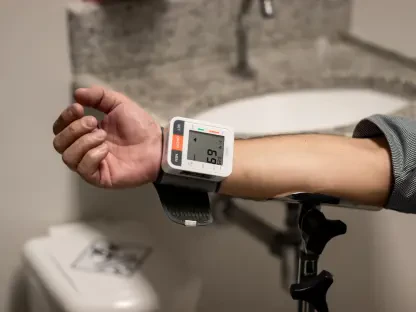
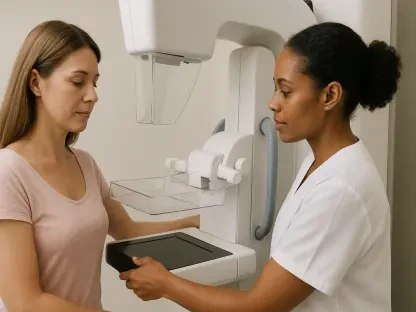
Technical accessibility is further bolstered by the presence of professional-grade diagnostic equipment within the private suite. The room is not merely a place for video calls; it is outfitted with blood pressure cuffs, glucometers, and specialized medical scales that allow for real-time health monitoring during virtual consultations. Every aspect of the design adheres strictly to HIPAA regulations, guaranteeing that personal medical information and private conversations remain confidential and protected from unauthorized access. This secure environment also serves as a critical clinical satellite for visiting social workers and community health practitioners who require a professional setting for assessments and wellness screenings. By centralizing these resources, the facility provides a comprehensive health hub that rivals traditional clinic settings while remaining deeply rooted in the comfort of a familiar community center. This synergy between hardware and clinical expertise creates a robust safety net for all.
Cultivating a Culture of Preventative Health and Wellness
Expanding these facilities represents a strategic move toward preventative medicine, which is essential for reducing the overall burden on the regional healthcare infrastructure. Many elderly residents face significant obstacles, such as a lack of reliable transportation or a fundamental discomfort with technology, which can lead to missed appointments and the eventual escalation of manageable conditions into medical emergencies. By providing a local and accessible venue for routine check-ups and follow-up care, the center actively mitigates these risks and keeps seniors out of hospital waiting rooms. This proactive approach ensures that emergency services remain reserved for those in dire need, while the senior population maintains a higher quality of life through consistent health management. This project serves as a clear indicator of the township’s dedication to holistic well-being, proving that localized interventions can have a massive ripple effect on the efficiency of the broader public health system.
The successful implementation of this wellness room reinforced Austintown’s status as an AARP Age-Friendly Community, reflecting a long-term vision for sustainable aging. Local officials viewed the project as a vital starting point for a new era of innovation within the township’s administration. Moving forward, the focus shifted toward the renovation of the center’s kitchen facilities to introduce a comprehensive nutritional education program. This next phase aimed to provide seniors with the practical skills needed to prepare healthy, balanced meals, thereby addressing the dietary foundations of longevity. Organizations that sought to replicate this success discovered that prioritizing diverse grant funding and fostering partnerships with local health providers ensured facility longevity. By integrating physical health with technological empowerment, the community established a model for how senior centers evolved into comprehensive wellness hubs. This strategy successfully minimized the financial burden on local taxpayers while maximizing the benefits for the elderly.