
Breast cancer remains the most prevalent form of cancer among women in Virginia, with the American Cancer Society reporting 1,160 deaths projected for the year 2025. This alarming statistic underscores the urgent need for a more rigorous approach to preventative diagnostics as the medical community moves into the current 2026 healthcare cycle. Experts have noted that the persistence of high mortality rates is often linked to delayed screenings rather than a lack of effective treatment options. By shifting the focus toward annual checkups, healthcare providers aim to catch malignant cells long before they pose a systemic threat to the patient’s health. The current narrative in women’s health emphasizes that waiting for symptoms to appear is a gamble that the modern medical infrastructure is designed to avoid. Advanced imaging makes the path to survival clearer, yet it relies on the individual’s commitment to regular evaluations. This proactive stance is essential for reducing the burden.
The Clinical Framework
Age Requirements
Medical professionals, including experts from the University of Virginia, have crystallized the recommendation that women with an average risk profile should commence annual mammograms at the age of forty. This specific age threshold is not arbitrary; it represents a critical window where biological changes and historical data intersect to reveal the highest potential for early-stage intervention. Dr. Ramapriya Ganti, a leading authority in breast imaging, has frequently highlighted that the primary goal of this schedule is to identify abnormalities before they become palpable or symptomatic. Early detection allows clinicians to deploy less invasive surgical options and avoid the most aggressive forms of chemotherapy, which significantly improves the quality of life during recovery. By maintaining a strict annual cadence from 2026, patients ensure that any rapid changes in tissue density are captured within a timeframe that favors successful eradication rather than long-term management.
Imaging Methods
While modern medicine offers a variety of imaging options, the traditional mammogram remains the gold standard for initial screenings due to its unique ability to detect microcalcifications. These tiny mineral deposits often serve as the earliest indicators of ductal carcinoma in situ, a condition that might remain completely invisible under the lens of an ultrasound or an MRI. Dr. Ganti further clarifies that while mammography is the first line of defense, high-risk individuals benefit significantly from a dual-track approach involving supplemental imaging. For patients with dense breast tissue or a significant family history, combining the structural detail of a mammogram with the vascular sensitivity of an MRI provides a comprehensive diagnostic picture. This multi-layered strategy ensures that no subtle growth is overlooked, allowing for a more nuanced interpretation of results. Integrating these technologies allows for a personalized screening profile that adapts to specific needs.
Accessibility Issues
Regional Gaps
The current data highlights a significant divide in screening rates across Virginia, particularly when comparing metropolitan centers with isolated rural communities. Although approximately 73.9% of women between the ages of forty and seventy-four have maintained their screening schedules within the last two years, consistent with national averages, reaching the remaining percentage remains a top priority. Statistics from the previous few decades indicate that early intervention saved nearly 260,000 lives nationwide, a figure that provides a powerful incentive for expanding outreach programs. Institutions like the University of Virginia are currently deploying mobile units and remote diagnostic tools to bridge the geographic gap that often prevents rural residents from accessing specialized imaging centers. By focusing resources on these underserved areas, health officials hope to standardize the quality of care regardless of a patient’s zip code, ensuring that distance is not a factor.
Financial Aid
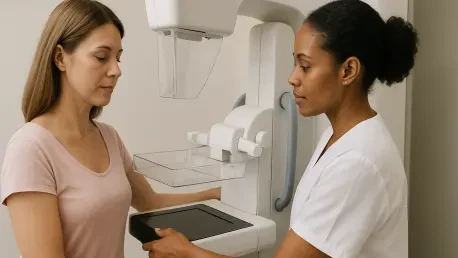
The consensus among medical experts centered on the idea that prioritizing personal health served as the foundation for the well-being of the entire community. Dr. Ganti frequently utilized the analogy of an airplane oxygen mask, reminding patients that they had to secure their own safety before they could effectively care for others. While the physical experience of a mammogram involved brief moments of discomfort, the long-term benefits of early detection vastly outweighed any temporary inconvenience. Clinicians observed that women who embraced these annual screenings often felt a greater sense of agency over their medical outcomes, shifting the narrative from fear to informed preparation. Proactive screening emerged as the most potent instrument available for reducing the impact of breast cancer, fostering a future where the disease was caught in its most treatable stages. Ultimately, the health community encouraged every woman to view these appointments as a non-negotiable part of her annual routine.