
The traditional approach to oncology often relies on a trial-and-error methodology that can be exhausting for patients facing aggressive disease markers. However, a revolutionary shift is occurring within the medical community as theranostics merges diagnostic imaging with targeted therapeutic delivery to personalize every aspect of a patient’s journey. By utilizing specific molecular markers, clinicians can now see what they treat before a single dose of medication is even administered. This dual-purpose strategy ensures that therapy is only delivered when a biological target is confirmed, significantly reducing the likelihood of ineffective treatments. Major pharmaceutical entities have recognized this potential, funneling billions into the development of radiopharmaceuticals with the expectation that these agents will dominate radiation-based cancer care between 2026 and 2041. As these technologies mature, the integration of isotopes into standard protocols is moving from niche applications to a foundational pillar of healthcare.
Mechanisms: The Targeted Radiopharmaceutical Approach
At the heart of this medical evolution lies the sophisticated pairing of a radioactive isotope with a targeting molecule designed to seek out specific surface receptors on malignant cells. When these molecules are injected into the bloodstream, they act like biological homing missiles that bypass healthy tissue to latch onto tumor-specific proteins. This precision is what distinguishes theranostics from external beam radiation, which often causes collateral damage to the surrounding anatomical structures during the treatment process. Once the molecule is bound to the target, it delivers high-energy particles, such as alpha or beta radiation, directly into the nucleus of the cancer cell to induce irreparable DNA strand breaks. This localized destruction is exceptionally efficient because it maximizes the therapeutic dose within the tumor while maintaining a safe environment for the patient’s vital organs. Consequently, the safety profile of these interventions has allowed for the treatment of patients who are too frail.
A mandatory prerequisite for this type of intervention involves a specialized diagnostic scan that utilizes a lower-energy radioactive tracer to visualize the presence of the target receptors. This preliminary imaging step provides a visual confirmation that the patient’s unique tumor biology is compatible with the corresponding therapeutic agent, effectively eliminating the guesswork inherent in many systemic therapies. If the scan reveals a high density of the target protein, the clinician can proceed with confidence, knowing that the therapeutic isotope will find its mark with high affinity. This synergy between imaging and treatment represents the highest form of personalized medicine currently available in clinical practice. Moreover, the ability to monitor the progress of the therapy through subsequent scans allows for real-time adjustments based on the actual biological response of the tumor. By continuously validating the presence of the target, medical teams ensure treatments are effective.
Clinical Expansion: New Targets and Research Innovations
While the foundational principles of this field were established through the use of radioactive iodine for thyroid conditions, the scope has recently broadened to address some of the most challenging cancers. Current standard-of-care protocols now successfully utilize agents like Lutetium-177 to treat metastatic castration-resistant prostate cancer and advanced neuroendocrine tumors. These specific applications have proven that radiopharmaceuticals can offer a significant survival benefit for patients who have already cycled through chemotherapy and hormonal manipulations without success. The clinical success in these areas has catalyzed a surge in research aimed at identifying new molecular targets that are present across a wider variety of solid tumors. By targeting receptors that are overexpressed in these malignancies, researchers are creating a versatile toolkit that can be adapted to treat different stages of disease. This expansion is critical for providing options when traditional surgery is no longer viable.
Leading institutions such as the UK Markey Cancer Center are currently spearheading clinical trials that explore the potential of novel receptors like the Fibroblast Activation Protein and the Gastrin-Releasing Peptide Receptor. These targets are particularly interesting because they are found in the stroma of many different types of tumors, including those in the breast, lung, and pancreas. Ongoing studies are investigating how these new ligands can be paired with powerful alpha-emitters to overcome resistance mechanisms that often render traditional treatments ineffective over time. Furthermore, there is a significant push to standardize these treatments within gynecologic oncology to provide better outcomes for ovarian and cervical cancers. The data emerging from these trials suggest that the versatility of the theranostic platform will eventually allow for the treatment of almost any tumor that expresses a definable molecular signature. As more data is gathered, the goal is to move these therapies earlier.
Operational Requirements: Managing Perishable Precision
The implementation of a robust theranostics program requires more than just clinical expertise; it demands an intricate and highly synchronized logistical network to manage the drugs. Because radiopharmaceuticals are inherently unstable and undergo constant radioactive decay, they are considered perishable medications with a very short shelf life. This means that each dose must be manufactured, shipped, and administered according to a strict timeline that often spans only a few hours or days depending on the isotope used. Any delay in the supply chain can result in a loss of potency, potentially rendering the treatment ineffective or necessitating the disposal of expensive materials. To mitigate these risks, facilities are increasingly investing in sophisticated scheduling software and dedicated transport protocols that prioritize the rapid movement of these isotopes. The need for just-in-time manufacturing has led to the development of regional radiopharmacy hubs that serve multiple hospital sites efficiently.
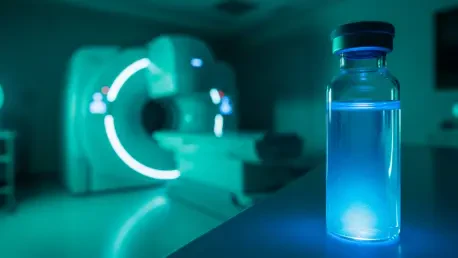
Beyond the supply chain, the physical environment of the hospital must be specially adapted to handle the unique requirements of radioactive materials and the patients who receive them. Facilities must be equipped with high-resolution PET/CT or SPECT/CT scanners that are calibrated to detect the specific energy signatures of the diagnostic tracers being used. Additionally, dedicated administration rooms with appropriate lead shielding and specialized waste management systems are essential to protect healthcare workers and the public from unnecessary radiation exposure. These technical requirements mean that theranostic centers are often high-capital investments that require long-term strategic planning to execute effectively. Personnel must also undergo rigorous training in radiation safety and the handling of unsealed sources, which is a departure from the protocols used for traditional radiation. Despite these hurdles, the growing demand for targeted therapies is driving a widespread upgrade of centers.
Strategic Integration: The Path Toward Molecular Precision
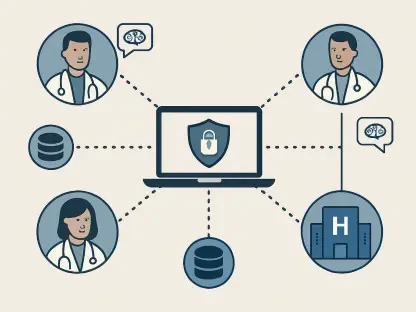
The success of a theranostics-centered healthcare model relies heavily on the seamless coordination between nuclear medicine physicians, medical oncologists, and radiation oncologists. Each discipline provides a critical perspective that is necessary for the safe and effective delivery of these complex treatments to a diverse patient population. Nuclear medicine specialists are responsible for the intricate task of isotope handling and the interpretation of molecular imaging, while medical oncologists manage the systemic health of the patient and integrate the radiopharmaceuticals into a broader care plan. Meanwhile, radiation oncologists contribute their deep understanding of dosimetry and the biological effects of ionizing radiation on different tissue types. This collaborative framework ensures that patients are thoroughly screened and that the logistics of delivery are handled with the highest degree of precision. By breaking down the silos that exist between these specialties, hospitals provide a holistic experience.
The transition toward real-time molecular visualization effectively replaced the limitations of static biopsies, providing a comprehensive view of the entire tumor burden within the body. It was observed that this shift allowed clinicians to identify metastatic deposits that would have remained invisible under conventional diagnostic protocols. Moving forward, health systems prioritized the expansion of these capabilities by investing in decentralized manufacturing and standardized training for multidisciplinary teams. These efforts ensured that the see what you treat philosophy became a primary standard of care rather than a secondary option for late-stage patients. Leaders in the field focused on the development of dual-purpose ligands that could be easily swapped between imaging and therapy, streamlining the regulatory approval process. Ultimately, the successful integration of these technologies required a commitment to infrastructure and a willingness to embrace a highly personalized approach to oncology.