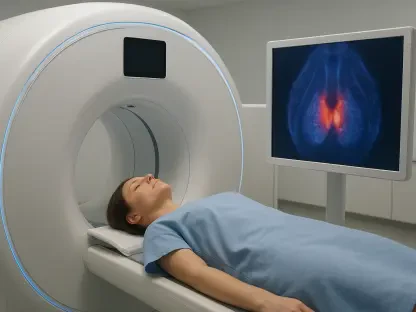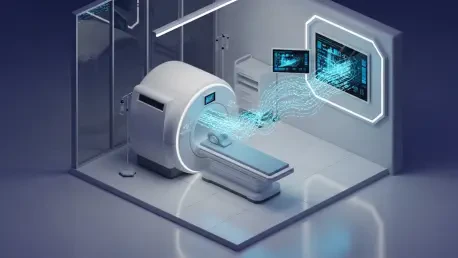

The critical window for treating neurological emergencies like strokes or traumatic brain injuries often closes long before a patient can be safely transported to a conventional imaging suite. In many hospital environments, the logistical hurdles of moving a critically ill patient from an intensive care unit to a fixed MRI scanner result in delays that directly impact clinical outcomes and long-term recovery prospects. Recent data suggests that implementing bedside magnetic resonance imaging can shave nearly six hours off the time required to diagnose these urgent conditions. By bringing the diagnostic tool to the patient rather than the other way around, medical facilities are beginning to bypass the traditional bottlenecks caused by scheduling conflicts and the risks associated with transporting unstable individuals. This transition marks a fundamental shift in how neurologists approach the initial assessment of neurological trauma in 2026. Integrating this technology allows for a much more responsive diagnostic environment where the equipment adapts to the patient.
Overcoming Infrastructure Obstacles
Limitations of Traditional Radiology Environments
Traditional MRI machines are massive installations requiring liquid helium cooling and heavily shielded rooms to contain powerful magnetic fields. Because of these requirements, they are often located in central radiology departments far from the emergency or intensive care units. When a patient arrives with suspected intracranial hemorrhage or an ischemic stroke, every minute spent in transit contributes to the loss of millions of neurons. The conventional workflow involves stabilizing the patient, securing a transport team, ensuring that any metal-containing equipment is removed, and navigating through corridors and elevators. Often, these machines are already occupied by outpatient appointments, leading to further wait times that can stretch into several hours. This logistical complexity creates a significant barrier to immediate care, as the risk of clinical deterioration during transport sometimes outweighs the benefit of obtaining a high-resolution scan in the early stages of a patient’s admission.
Practical Mobility within Intensive Care
Bedside imaging technology allows clinicians to initiate neurological assessments almost immediately after a patient’s arrival or at the first sign of a status change. Portable MRI systems utilize much lower magnetic fields, which eliminates the need for expensive shielding and allows them to operate in the presence of standard medical equipment like ventilators and infusion pumps. By bypassing the radiology department’s queue, these systems have demonstrated a capacity to reduce the time from scan order to image acquisition significantly. This rapid turnaround is crucial for determining the eligibility of a patient for life-saving interventions such as mechanical thrombectomy or specialized pharmaceutical treatments. Furthermore, the ability to perform serial scans without moving the patient enables more frequent monitoring of brain edema. This continuous visibility into the patient’s condition allows for more dynamic treatment adjustments tailored to the evolving physiological state of the brain.
Strategic Integration and Future Outcomes
Accelerated Decision Cycles for Neurological Care
Implementing portable magnetic resonance units requires a strategic rethinking of how intensive care units are organized and how staff are trained. These devices are designed to plug into standard electrical outlets, making them adaptable to existing hospital infrastructure without the need for structural renovations. Training bedside nurses and technicians to operate these devices ensures that the imaging process is integrated into the routine care cycle rather than being an external disruption. As hospitals move toward decentralized diagnostic models, the use of low-field MRI scanners is becoming a cornerstone of neurocritical care. This approach reduces the burden on central radiology staff and minimizes the exposure of patients to hospital-acquired infections that can occur during transit. The smaller footprint of these machines also means they can be stored in close proximity to the patients, facilitating a point-of-care philosophy that prioritizes speed.
Advancing Diagnostic Standards and Accessibility
The transition toward portable imaging redefined the standard of care for neurological triage by the mid-portion of 2026. Refinements in artificial intelligence algorithms enhanced the image quality of low-field portable scanners, which effectively bridged the gap between convenience and diagnostic detail. This shift focused on making these devices even lighter and more energy-efficient, allowing for their use in mobile stroke units or remote clinics where traditional imaging was entirely unavailable. Health systems that invested in these technologies positioned themselves to better handle the increasing volume of neurological patients. The emphasis shifted from simply having the most powerful magnet to having the most accessible information at the exact moment a clinical decision was required. Medical facilities prioritized the evaluation of transport protocols and integrated portable imaging to optimize patient throughput. It was clear that the reduction in scan wait times represented a major milestone.