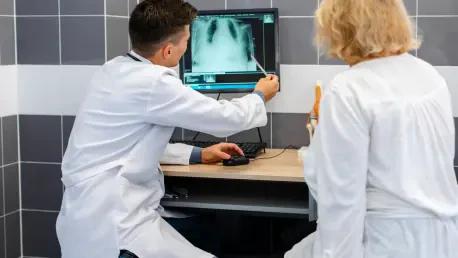
Lung cancer stands as the leading cause of cancer-related deaths across the globe, casting a shadow over millions of lives each year with its devastating impact, and early detection through low-dose chest computed tomography (CT) screenings has emerged as a beacon of hope. Particularly for

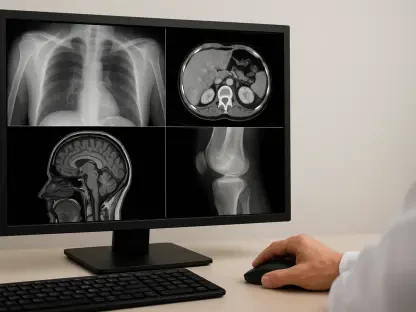
In an era where technology continues to reshape healthcare, the field of eye care diagnostics faces a pressing challenge: managing vast amounts of diagnostic imaging data efficiently while ensuring accessibility and security for professionals across diverse settings. Enter a transformative solution
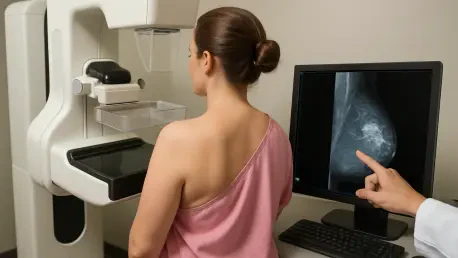
Imagine the joy of expecting a new child suddenly overshadowed by the chilling discovery of a lump in the breast, later confirmed as cancer, striking thousands of women each year and blending the miracle of life with a life-threatening illness. For someone like Stephanie Wysaski, a 35-year-old

In a striking revelation that underscores a critical vulnerability in Nigeria’s healthcare system, experts have highlighted the nation’s overwhelming dependence on imported diagnostic reagents, spending billions of limited foreign reserves annually to sustain this need. This issue, brought to the

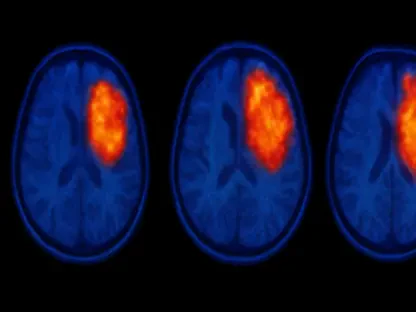
Soccer, long considered a safer alternative to high-impact sports like football, hides a significant neurological risk that has recently come under scrutiny, prompting serious concern within the sports community. A groundbreaking study from Columbia University, published on September 18 in JAMA

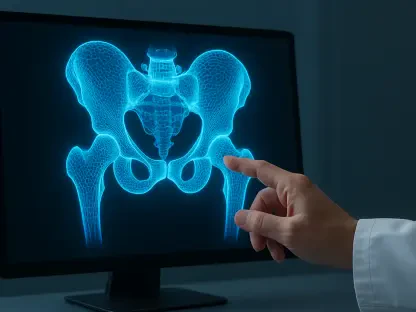
Imagine a world where medical professionals can look deep inside the human body with such precision that hidden diseases are detected in record time, all while minimizing risks to patients and transforming diagnostic capabilities. This vision is inching closer to reality with the development of a