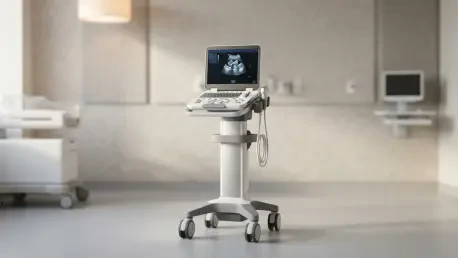

The logistical burden on families navigating neonatal intensive care has been significantly reduced by the localization of specialized retinal diagnostic services. This transformation centers on the arrival of a cutting-edge $120,000 Pediatric Retinal Imaging System at Tweed Valley Hospital, a move that fundamentally changes the healthcare landscape for the most vulnerable residents of Northern New South Wales. For years, families in regional areas faced the daunting prospect of transporting fragile, premature newborns over long distances to access essential diagnostic screenings. However, the official delivery of this equipment on October 21, 2026, represents a turning point in regional equity. Facilitated by the dedicated efforts of the local children’s charity, Our Kids, the introduction of this technology ensures that high-quality neonatal eye care is no longer a privilege reserved for metropolitan populations but a standard available to the Tweed, Lismore, and Grafton communities.
Addressing Retinopathy With Advanced Technology
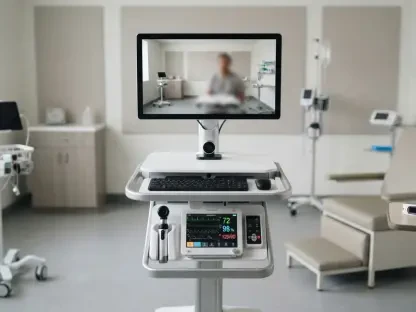
The primary clinical objective of this advanced imaging system is the early detection and management of Retinopathy of Prematurity, a condition characterized by abnormal blood vessel growth in the light-sensitive tissue of the eye. If these vascular changes are not identified and treated with precision during the critical window of neonatal development, the resulting retinal detachment can lead to lifelong vision impairment or complete blindness. The new system captures exceptionally high-resolution digital photographs of an infant’s retina, which can then be instantly transmitted to pediatric ophthalmology specialists in major city hubs for expert review. This remote assessment capability allows for a rapid diagnostic turnaround, ensuring that any infant requiring urgent surgical intervention receives it before permanent damage occurs. By bridging the gap between regional bedside care and metropolitan expertise, the system provides a safety net for vulnerable children.
Beyond the immediate clinical benefits, the implementation of this portable technology supports a more resilient and decentralized healthcare model within the Northern NSW Local Health District. Historically, the absence of such specialized equipment forced parents to endure the logistical and emotional strain of traveling to the Gold Coast while their infants were still in a delicate state of health. By establishing a shared equipment pool between Tweed Valley Hospital, Lismore Base Hospital, and Grafton Base Hospital, the region has effectively minimized the need for these stressful transfers. This hub-and-spoke approach allows the imaging device to be moved where it is most needed, keeping families closer to their existing support networks and local medical teams. Maintaining this proximity is essential for the emotional well-being of parents, as it reduces the financial burden of travel and allows them to focus on the recovery and development of their children.
Powering Healthcare Through Community Philanthropy
The successful acquisition of this $120,000 imaging system serves as a powerful testament to the impact of grassroots community philanthropy and the leadership of dedicated medical professionals. Dr. Chris Ingall, a specialist pediatrician and the founder of Our Kids, spearheaded the campaign, emphasizing that regional health improvements often rely on the proactive involvement of local citizens. The funding was not the result of a single large grant but rather a collective effort involving a diverse array of community-led initiatives. Events such as the Westlawn Finance Grafton Golf Day, the Lismore Samson Fitness Challenge, and the annual Our Kids Winter Ball played instrumental roles in aggregating the necessary capital. These activities fostered a sense of shared responsibility and ownership among residents, who saw their contributions directly translated into equipment. This model of community engagement highlights how regional areas can overcome funding gaps through creativity.
Strategic partnerships with philanthropic organizations like the Knappick Foundation and The Seaton Foundation were also vital in reaching the final financial target for the retinal system. These organizations recognized the long-term value of investing in regional infrastructure, which often faces different challenges than those found in larger urban centers. Since its inception in 2001, the Our Kids charity has successfully raised more than $3.2 million to enhance pediatric wards and special care nurseries throughout the Northern Rivers region. This ongoing commitment ensures that the quality of care available locally keeps pace with the rapid advancements in medical technology. By equipping regional hospitals with diagnostic tools used in leading university hospitals, the charity has helped create a legacy of clinical excellence. This latest milestone reinforces the importance of maintaining a robust network of private and public support for regional healthcare.
Maximizing Impact and Future Clinical Outcomes
The integration of this imaging system into the regional health network offers a three-fold benefit that extends beyond clinical outcomes to include social stability and economic efficiency. From a financial perspective, the portability of the device ensures that a single $120,000 investment provides specialized coverage for three distinct hospital communities, maximizing the utility of every donated dollar. This efficiency is mirrored in the long-term savings for the public health system, as early detection of conditions like Retinopathy of Prematurity prevents the massive costs associated with lifelong blindness and disability support. Furthermore, by providing these services locally, the health district reduces the operational costs associated with neonatal transfers and specialized transport teams. The result is a streamlined diagnostic process that prioritizes patient safety while remaining fiscally responsible and sustainable for the long-term health of the region.
Ultimately, the arrival of the Pediatric Retinal Imaging System at Tweed Valley Hospital finalized a major improvement in the standard of care for newborns across Northern New South Wales. The initiative demonstrated that regional healthcare systems could achieve metropolitan standards of diagnostic accuracy through targeted community investment and technological adoption. Looking forward, the success of this project suggested that other regional districts might adopt similar shared-resource models to address gaps in specialized medical equipment. Health administrators and local charities prioritized the localization of services, recognizing that keeping families together during a crisis was as important as the medical treatment itself. This achievement provided a clear roadmap for future upgrades to regional pediatric units, focusing on digital connectivity. By securing this equipment, the community ensured that the most vulnerable patients started their lives with protection.