
A critical shift in healthcare delivery is currently unfolding as sophisticated machine learning algorithms transition from theoretical research tools to indispensable bedside assistants within modern clinical environments. Traditional diagnostic workflows that once relied solely on human observation are now being augmented by neural networks capable of parsing petabytes of longitudinal patient data in milliseconds. This evolution represents more than a mere incremental improvement in efficiency; it signifies a fundamental reimagining of the physician-patient dynamic. Predictive analytics platforms, such as those deployed in high-acuity neurological wards, are identifying subtle physiological precursors to sepsis or cardiac failure hours before traditional monitoring systems trigger an alarm. The resulting environment is one where reactive medicine is rapidly being replaced by a proactive, preemptive model of care. As these technologies integrate deeper into hospital infrastructure, the focus shifts toward maintaining the delicate balance between high-tech precision and the essential human empathy required for effective healing.
Enhancing Diagnostic Precision With Computer Vision
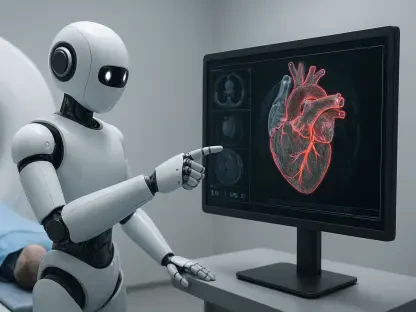
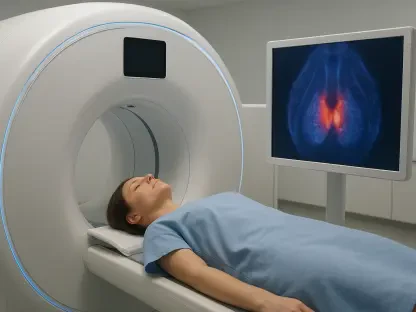
Radiologists and pathologists are increasingly relying on automated image analysis to identify microscopic anomalies that might escape the naked eye during a standard review process. Specifically, the integration of deep learning architectures into magnetic resonance imaging and computed tomography scans has significantly reduced the rate of false negatives in early-stage oncology screenings. For instance, specialized algorithms can now delineate tumor boundaries with sub-millimeter accuracy, allowing surgeons to plan minimally invasive procedures with unprecedented confidence. This technological leap is not confined to imaging alone; digital pathology platforms are also using these tools to categorize cellular patterns in biopsy samples at speeds that were previously impossible. By offloading these repetitive, high-stakes observational tasks to reliable digital systems, clinicians are finding more time to discuss treatment options and prognosis with their patients, thereby restoring a sense of personal connection to the diagnostic journey.
Building on this foundation of improved detection, the role of the medical specialist is evolving from a primary investigator to a strategic decision-maker who interprets complex AI-generated insights. The software acts as a sophisticated filtering layer that prioritizes urgent cases in a busy hospital queue, ensuring that patients with life-threatening conditions receive immediate attention while maintaining a high standard of care for others. This triage capability is particularly vital in resource-constrained environments where the volume of incoming data often overwhelms human capacity. Furthermore, the ability to correlate visual data with genomic sequences through multi-modal AI systems allows for the creation of highly personalized therapeutic regimens. These systems do not replace the expert but rather empower them with a comprehensive view of the patient’s biological landscape. Consequently, the medical community is seeing a marked decrease in diagnostic errors and a corresponding increase in long-term survival rates for chronic conditions, proving that the synergy between human intuition and machine precision is the new gold standard.
Revolutionizing Chronic Disease Management via Remote Monitoring
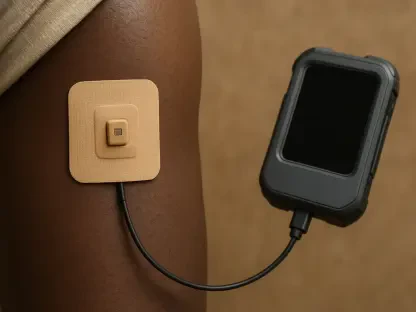
The shift toward decentralized care models has been accelerated by the widespread adoption of intelligent wearable devices and remote patient monitoring systems that provide a continuous stream of health metrics. Unlike the intermittent snapshots provided by traditional office visits, these tools offer a longitudinal perspective on a patient’s well-being, tracking everything from glycemic variability to heart rate variability in real-time. For individuals living with chronic illnesses like diabetes or hypertension, this means that therapeutic adjustments can be made dynamically based on actual physiological responses rather than generic guidelines. Advanced cloud-based platforms aggregate this data, using recursive algorithms to identify patterns that suggest a potential flare-up or worsening of symptoms. When a deviation from the established baseline is detected, the system automatically alerts the care team, enabling intervention before a hospitalization becomes necessary. This proactive approach not only improves the quality of life for the patient but also significantly reduces the operational burden on emergency departments.
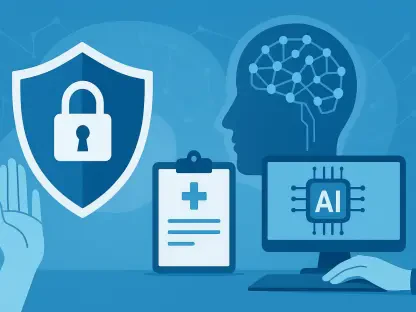
Healthcare organizations moved toward a more efficient model by investing in robust data governance and interoperable systems. Successful implementations demonstrated that the focus remained on the ethical application of technology, ensuring that algorithmic transparency and patient privacy were never compromised. Medical boards established new continuing education requirements that prioritized digital literacy, preparing the workforce to navigate a landscape where software became as common as the stethoscope. Strategic partnerships between technology firms and clinical institutions fostered an environment of continuous innovation, where feedback loops from the bedside directly informed the development of new medical tools. This transition required a concerted effort to address the digital divide, ensuring that the benefits of analytics reached underserved populations. Ultimately, the adoption of these systems proved that when technology was designed with the patient at the center, the entire healthcare ecosystem became more resilient and equitable at saving lives.