
I'm thrilled to be speaking with James Maitland, a renowned expert in robotics and IoT applications in medicine. With a deep passion for harnessing technology to revolutionize healthcare, James has been at the forefront of analyzing trends and innovations in the medtech industry. Today, we’ll
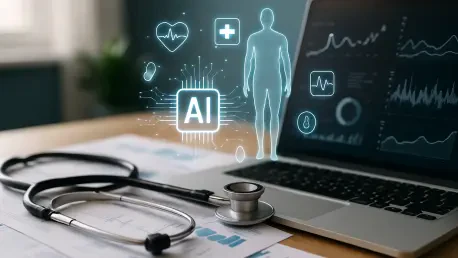
Imagine a world where a single algorithm could predict a patient’s risk of complications before symptoms even appear, slashing hospital readmissions and saving millions in costs. This isn’t science fiction—it’s the promise of artificial intelligence in healthcare, a sector projected to skyrocket at

Imagine a world where healthcare is just a click away, where patients in remote areas receive expert care without stepping foot in a hospital, and clinicians manage packed schedules with ease through virtual platforms. This isn’t a distant dream but the reality of telehealth today. Yet, with this
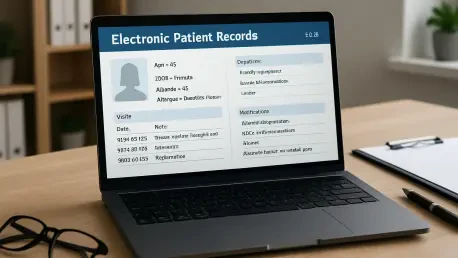
Imagine a four-year-old child in a hospital, relying on cutting-edge technology to ensure the right medication and dosage, only to suffer a life-threatening error due to a flaw in the very system meant to protect her. This heartbreaking scenario isn’t just a hypothetical; it’s a real incident tied

What happens when a federal agency tasked with safeguarding public health faces mounting delays, staff shortages, and industry distrust—all while racing to approve life-saving drugs? The U.S. Food and Drug Administration (FDA) finds itself at this crossroads, turning to a powerful ally: agentic AI.

Imagine a remote village in Sub-Saharan Africa where a sudden fever outbreak goes unnoticed for weeks, silently spreading to neighboring communities because health workers rely on paper reports that take days to reach national authorities. This scenario, far too common across the continent,