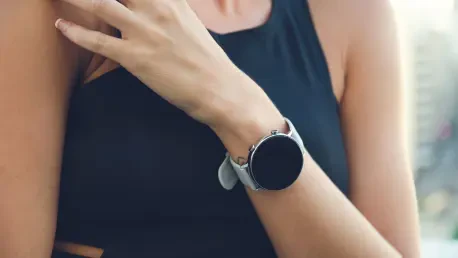

By focusing on the detection of obstructive sleep apnea, Samsung is positioning its wearable ecosystem as a fundamental pillar for proactive global health management. The transition of sophisticated medical screening from controlled clinical environments into the daily lives of millions of users represents a significant shift in how chronic conditions are identified and managed. In late 2026, the company successfully integrated medical-grade sleep apnea detection across its latest hardware, including the Galaxy Watch and the newly launched Galaxy Ring. This move addresses a critical public health gap, as obstructive sleep apnea often remains undiagnosed due to the cost and inconvenience of traditional polysomnography. By utilizing high-precision sensors and advanced data processing, these devices now offer a way to monitor breathing disruptions during rest without requiring a specialized facility. This integration not only highlights technological prowess but also emphasizes a commitment to democratizing healthcare through accessible, everyday technology.
Innovation in Wearable Form Factors
Pioneering the Galaxy Ring: Improving User Compliance
The introduction of the Galaxy Ring marks a transformative moment for the industry, as it is the first smart ring to offer a validated sleep apnea detection feature. For years, the “burden of measurement” has been a primary obstacle in sleep tracking, as many users find traditional smartwatches too bulky or uncomfortable to wear consistently throughout the night. The Galaxy Ring solves this problem through its minimalist, lightweight design, which prioritizes long-term comfort without sacrificing sensor accuracy. By moving the monitoring technology to a less intrusive form factor, the likelihood of users maintaining a consistent tracking routine increases significantly. This consistency is vital for capturing a representative sample of sleep patterns, as a single night of data is rarely sufficient to identify the intermittent nature of breathing disruptions. Consequently, the ring serves as a more reliable tool for those who might otherwise abandon wearable health tracking due to physical discomfort during sleep.
Efficiency and Data Reliability: Streamlining the Diagnostic Path
Technological efficiency is at the heart of this update, with the new algorithm requiring only two nights of sleep data within a ten-day window to generate a comprehensive risk assessment. This flexibility is a major departure from older systems that required consecutive nights of perfect data, which often led to user frustration and incomplete reports. By analyzing a broader ten-day period, the software can account for natural variations in sleep hygiene, such as differing sleep positions or minor illnesses that might affect breathing. The algorithm is specifically tuned to identify significant breathing disruptions that occur over at least four hours of sleep each night. This data-driven approach ensures that the results are not skewed by a single outlier event, providing a much more stable and reliable indicator of potential health risks. This balance of rigor and flexibility makes the technology more practical for the average person who may not have a perfectly consistent schedule but requires high-quality health insights.
Regulatory Standards and Future Integration
Clinical Validation: The Foundation of Preventive Care
The deployment of this feature follows a series of landmark regulatory milestones, including clearances from the United States Food and Drug Administration and Korea’s Ministry of Food and Drug Safety. These approvals signify that the software meets the high standards required for over-the-counter medical applications, providing users with confidence in the reliability of the results. This regulatory success is the culmination of years of clinical research and validation studies that compared the wearable’s performance against gold-standard hospital equipment. By moving through these formal channels, the technology gains a level of clinical legitimacy that distinguishes it from general wellness gadgets. This shift toward a preventive care model is a central part of the broader strategy for 2026, where consumer electronics act as a first line of defense in identifying chronic conditions. By making these screenings widely available, the system can catch symptoms of sleep apnea before they lead to more severe complications.
Operational Safety: Guidelines for Device Compatibility
To maintain safety, the sleep apnea detection feature operated as a pre-screening tool for adults aged 18 and older who had not been previously diagnosed with the condition. This focus was intentional, as the goal involved identifying new cases rather than managing existing treatments. The technology did not replace clinical polysomnography but instead acted as a vital early warning system that alerted users to the necessity of a professional evaluation. During the final months of 2026, healthcare providers noticed a significant increase in patients seeking sleep studies based on data provided by their wearables, which proved the practical impact of accessible medical technology. Subsequent software updates expanded these capabilities to older models like the Galaxy Watch7, ensuring that advanced monitoring remained inclusive. Users were encouraged to share their digital health reports with physicians to expedite the clinical diagnostic process. This model successfully integrated wearable data into the standard of care.