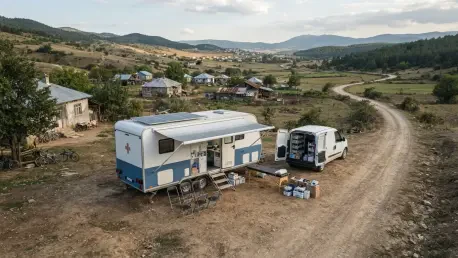

Adult mobile units recorded over sixteen hundred visits during 2025, demonstrating the high demand for accessible medical care within the South Broward region. This impressive figure reflects a broader initiative to bridge the gap between traditional hospital settings and the neighborhoods that often struggle with logistical barriers to professional medical services. By deploying these fully equipped clinics on wheels, providers are effectively dismantling the obstacles of transportation and time that frequently prevent vulnerable populations from seeking necessary preventative screenings. The strategy shifts the burden of mobility from the patient to the healthcare system, ensuring that socioeconomic status does not dictate the quality of care an individual receives. This proactive approach serves as a critical intervention point, capturing health concerns before they escalate into emergencies. As these units traverse the landscape, they transform the definition of a doctor’s visit into a dynamic community resource.
Economic Sustainability and Reduced Hospital Reliance
The clinical success of the mobile healthcare program is rooted in a data-driven strategy that highlights significant improvements in patient outcomes and system-wide efficiency. In the first nine months of 2026, the mobile units served more than two thousand unique patients across approximately twenty-eight hundred individual visits. This momentum builds upon the high performance seen in 2025, when the program managed over thirty-five hundred patient encounters. The most striking statistic reported by administrators is the 62% reduction in hospital admissions among individuals who utilized the mobile services consistently. By transitioning care from the emergency room to the local community, the program achieved an estimated $4.3 million in cost savings for the health system in a single year. These figures prove that mobile health is a vital economic pillar for modern health systems that prioritizes preventative care to ensure long-term stability for both the patient and the organization.
The financial implications of this model extend far beyond the immediate reduction in emergency room congestion. By identifying chronic conditions like hypertension or diabetes in their early stages, the mobile health initiative prevents the catastrophic medical events that often lead to prolonged hospital stays and high-cost intensive care. This shift represents a fundamental realignment of healthcare spending, where investments in community outreach generate significant returns by lowering the overall cost of care for the uninsured and underinsured. It demonstrates that mobile clinics are not merely temporary fixes for underserved areas but are actually essential components of a robust, modern fiscal strategy. Furthermore, when health systems can predictably manage the well-being of a population outside of traditional brick-and-mortar facilities, they create a more resilient infrastructure that is less prone to the sudden financial shocks associated with a surge in uncompensated emergency services.
Comprehensive Outreach and Patient Centered Models
Operational diversity is another cornerstone of this program, utilizing specialized units that cater to the specific needs of different age groups. In 2025 alone, the pediatric units facilitated nearly two thousand visits across hundreds of service days, providing vital immunizations and physicals that allowed students to remain in school and maintain their educational momentum. These units do not function in isolation; they are deeply integrated into the community fabric, visiting twenty different sites including municipal centers and local non-profit organizations. This variety of locations ensures that the program meets residents where they already live, work, and congregate. Beyond traditional medical interventions, the units offer comprehensive support for the social determinants of health, such as assisting with financial aid applications and case management. This holistic approach recognizes that medical treatment is only one part of the wellness equation for residents facing economic challenges.
Building a foundation of trust is perhaps the most significant achievement of the mobile medical initiative. For many residents who have historically felt marginalized by the standard healthcare system, the consistent appearance of medical staff at familiar locations like local churches or community parks fosters a sense of reliability. This trust is exemplified by patient navigators who guide individuals through the complexities of the healthcare landscape, transforming a single visit into a long-term wellness journey. For instance, a patient referred from the emergency department can be transitioned into a primary care financial assistance program, effectively bridging the gap to an established medical home. By prioritizing these human connections and offering steady follow-up care, the program moves individuals away from reactive, crisis-driven behaviors. This ensures that every individual receives the personalized attention required to maintain their health over the long term.
Strategic Implications: Scaling the Mobile Care Model
The evolution of the mobile health program since its inception in 2000 highlighted its role as a permanent fixture in the regional safety net. Throughout 2026, the health system prioritized the modernization of its fleet, replacing aging pediatric units with state-of-the-art vehicles equipped with the latest medical technology. This expansion included the addition of several new service locations, reflecting a strategic response to the rising demand for accessible care points in South Broward. A key highlight of the current era was the partnership with regional providers to harmonize services and create a unified healthcare network. By aligning resources and information, these organizations ensured that medical coverage was comprehensive and less fragmented. This collaborative model demonstrated how regional health systems could work together to provide a stronger, more efficient safety net that adapted to the needs of the population while maintaining high clinical standards.
The implementation of the mobile medical program provided a blueprint for how modern health systems addressed systemic inequalities. By prioritizing geographic flexibility, the initiative successfully integrated medical services into the daily lives of residents, which effectively normalized preventative care. Stakeholders recognized that the success of the program relied heavily on the integration of clinical excellence with social support services, ensuring that patients were not just treated for symptoms but were supported in their broader environments. Moving forward, other municipalities should consider adopting similar collaborative models that leverage partnerships between public and private entities to share the logistical and financial burdens of outreach. The data clearly indicated that the most effective strategy for long-term health stabilization involved moving resources away from centralized hubs and into the community. This approach offered a sustainable pathway for reducing hospital reliance.